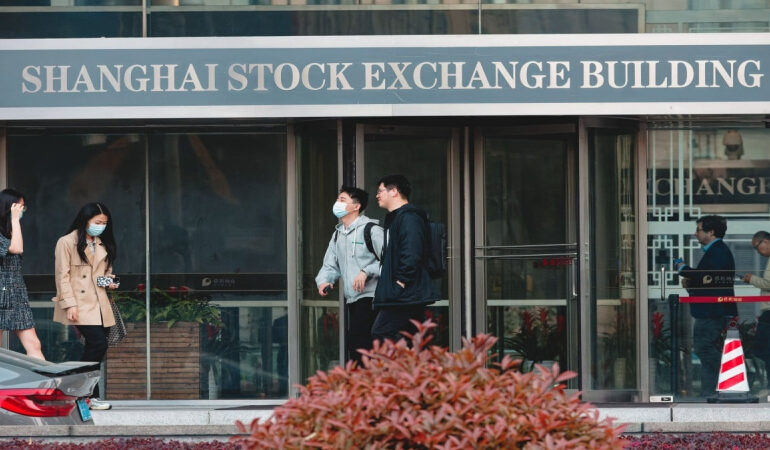
Shanghai Expands Chip Investment Fund as China Accelerates Semiconductor Self Sufficiency
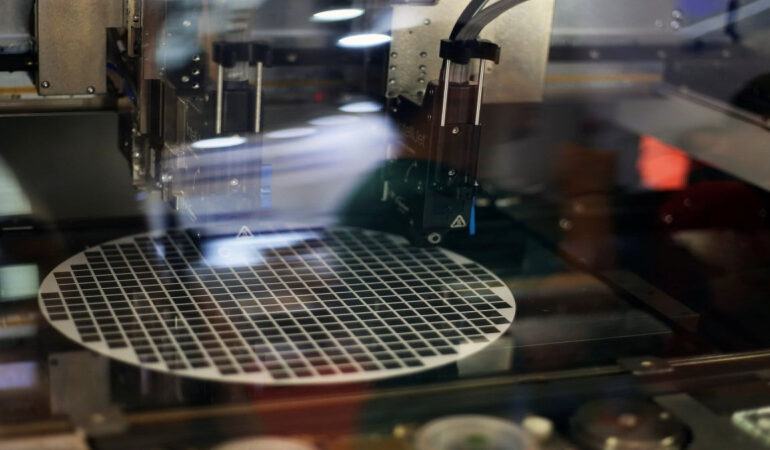
Shanghai has sharply increased financial support for its semiconductor industry, signaling a renewed push by China to strengthen domestic chip capabilities amid prolonged technology tensions with the United States and its allies. The expansion highlights how local governments are playing a growing role in Beijing’s broader strategy to reduce reliance on foreign semiconductor technology.
The Shanghai Integrated Circuit Industry Investment Fund, backed by the city government, has expanded the capital of one of its core funds more than eleven times, according to official business registration records. The move is designed to channel fresh funding into local chipmakers at a time when access to advanced foreign technology remains constrained by export controls and geopolitical pressure.
The third phase of the initiative, known as Shanghai IC Fund III, recently increased its registered capital to 6 billion yuan, up from roughly 500 million yuan previously. The additional funding is intended to accelerate investment across the semiconductor value chain, including chip design, manufacturing, and materials, reinforcing Shanghai’s position as one of China’s most important technology hubs.
Two new state linked investors have joined the fund. A Shanghai government affiliated private equity vehicle focused on integrated circuits is set to provide the majority of the new capital, while a venture capital firm controlled by Pudong district authorities will also contribute. Their participation underlines the coordinated role of municipal and district level governments in financing strategic industries.
The Shanghai IC Fund has already invested in more than 20 local semiconductor companies. Among them are wafer foundries such as SMIC and HLMC, both of which play key roles in China’s effort to build a more resilient domestic supply of logic chips. Continued funding is expected to support capacity expansion, process upgrades, and ecosystem development around these manufacturers.
China has repeatedly identified semiconductors as a critical vulnerability, particularly as restrictions on advanced chipmaking equipment and high end processors tighten. In response, authorities have leaned heavily on government guided funds to mobilize capital and steer it toward priority technologies. Shanghai’s latest move fits squarely within this framework, emphasizing scale, speed, and long term commitment.
Analysts note that expanding fund size allows investors to back larger projects and support companies through multiple development stages, from early research to commercial production. It also provides greater flexibility to respond to shifts in global technology policy, including new rounds of export controls or changes in overseas supply chains.
The expansion comes as competition between Chinese cities intensifies over semiconductor leadership. Regions such as Beijing, Shenzhen, and Wuhan have all launched or expanded similar investment vehicles. Shanghai’s decision to dramatically increase funding reflects both the city’s ambitions and the urgency felt across China’s technology sector.
By reinforcing financial backing for local chip firms, Shanghai is aiming to insulate its semiconductor ecosystem from external shocks while contributing to national goals of technological independence. The scale of the fund increase underscores how central semiconductors have become to China’s economic planning and industrial policy in the current phase of the global tech rivalry.