
Nuclear Allegations and Military AI Tensions Dominate Latest US China Flashpoints
Recent weeks have seen a fresh wave of developments shaping relations between the United States and China, with disputes spanning alleged nuclear activity, artificial intelligence in defence, trade policy and digital asset competition. The evolving dynamics underscore the complexity of ties between the world’s two largest economies at a time of strategic rivalry and economic interdependence.
Among the most closely watched issues are renewed allegations related to nuclear testing and military modernisation. While no formal confirmation has been issued by either side regarding new testing activity, discussions within policy circles have revived concerns about transparency and arms control commitments. Analysts note that strategic mistrust has deepened as both countries continue investing heavily in advanced defence technologies, including missile systems and next generation deterrence capabilities.
Artificial intelligence has also emerged as a central arena of competition. Military applications of AI, ranging from autonomous systems to battlefield data analysis, are being prioritised by both governments. US officials have repeatedly emphasised the need to maintain technological superiority, while Chinese policymakers continue integrating AI development into broader national security and industrial strategies. The convergence of civilian and military AI research has raised questions about export controls, semiconductor access and cross border research collaboration.
Trade policy remains another flashpoint. Former President Donald Trump has faced increasing debate within his own party regarding the long term impact of tariffs on China. While tariffs were initially framed as a tool to rebalance trade and protect domestic industries, some lawmakers have expressed concern over inflationary effects and supply chain disruptions. Polling data has shown fluctuations in public opinion, reflecting broader uncertainty about the economic consequences of prolonged trade tensions.
Financial competition is adding another dimension to the relationship. US Treasury officials have warned that China may be exploring ways to expand its influence in digital assets and financial infrastructure. These comments align with Washington’s broader objective of safeguarding the US dollar’s global role and shaping regulatory frameworks for cryptocurrencies and digital payment systems. China, for its part, has advanced its own digital currency initiatives and cross border payment platforms, reinforcing strategic competition in financial technology.
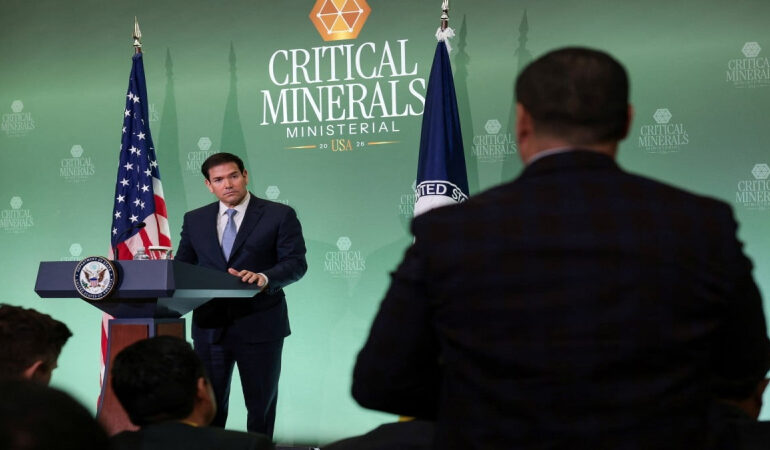
Diplomatic engagement continues alongside rivalry. Senior officials from both sides have held discussions on issues ranging from critical minerals supply chains to climate cooperation. However, progress has often been incremental, with disagreements on security and trade overshadowing areas of potential collaboration.
Observers suggest that the current phase of US China relations is defined less by a single crisis and more by overlapping points of friction across security, technology and economics. As both countries navigate domestic political pressures and global expectations, managing escalation while protecting national interests remains a delicate balance.



