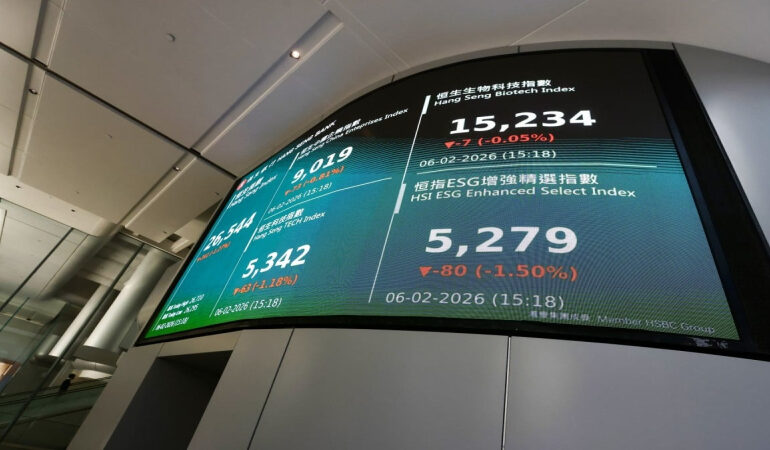
BioMed signs US$1.2 billion overseas antibody deal as Chinese biotech expands globally
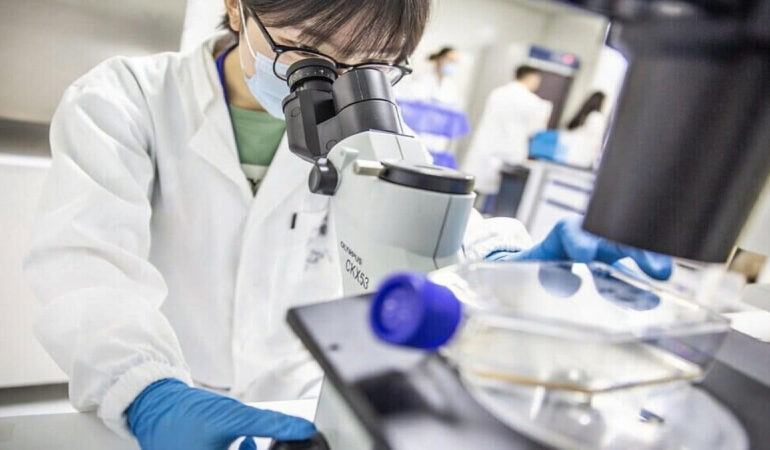
Chinese biotechnology companies are accelerating their push into global markets, with Shanghai based Harbour BioMed announcing a partnership valued at more than US$1.2 billion to advance one of its clinical stage antibody therapies outside mainland China. The agreement underscores a broader shift in China’s life sciences sector toward cross border licensing and long term commercial collaboration.
Harbour BioMed confirmed that it has entered into a licence and equity arrangement with Solstice Oncology, a clinical stage biotechnology company backed by venture capital investors. The deal grants Solstice exclusive rights to develop and commercialise Harbour BioMed’s antibody candidate HBM4003 in markets outside China. The asset is currently in clinical development and is designed to enhance tumour targeting by improving immune system response against cancer cells.
Under the terms disclosed, Harbour BioMed will receive US$50 million in upfront payments along with US$5 million in near term cash consideration. The company will also obtain more than US$50 million in equity in Solstice Oncology. Additional milestone payments tied to development progress, regulatory approvals and commercial performance could bring the total value of the agreement to approximately US$1.2 billion.
HBM4003 is part of Harbour BioMed’s broader antibody platform, which focuses on immuno oncology and innovative biologics. The therapy has been engineered to strengthen tumour killing effects while potentially reducing systemic side effects, an area of ongoing research in next generation cancer treatments. By partnering with an overseas focused entity, Harbour BioMed can leverage international clinical networks and regulatory expertise to expand the asset’s global footprint.
The agreement reflects a growing trend among Chinese biotech firms that are increasingly monetising research pipelines through international licensing deals. In recent years, China has invested heavily in pharmaceutical research infrastructure, clinical trial capacity and talent recruitment. As a result, domestic companies are moving beyond early stage discovery and are now capable of generating assets attractive to global investors and partners.
Industry analysts say that cross border collaborations provide multiple advantages. Chinese firms gain access to overseas regulatory pathways and commercial channels, while international partners tap into China’s research innovation and cost efficient development capabilities. The inclusion of equity stakes in such deals signals deeper strategic alignment rather than purely transactional licensing arrangements.
The timing of the Harbour BioMed Solstice Oncology pact also coincides with renewed investor interest in oncology pipelines, particularly therapies targeting immune checkpoints and novel antibody platforms. Venture capital backed entities like Solstice are increasingly structured to acquire promising assets and shepherd them through late stage trials in the United States and other major markets.
As global pharmaceutical competition intensifies, large scale partnerships such as this highlight the rising profile of Chinese biotech companies in the international drug development ecosystem and their expanding role in shaping next generation cancer therapeutics.