China EV stocks face pressure as weak demand and rising costs shake investor confidence
Chinese electric vehicle stocks are under renewed pressure as slowing domestic demand and higher raw material costs cast doubt over the sector’s near term profitability. After years of rapid expansion fueled by policy support and consumer enthusiasm, investors are reassessing growth expectations for many of the country’s leading EV manufacturers.
Recent sales data indicates that year end deliveries in 2025 failed to reverse a prolonged cooling trend in China’s auto market. Several automakers reported softer monthly numbers, reflecting more cautious consumer spending and intensifying competition. Li Auto was among the hardest hit at one stage, posting a 31.92 percent year on year decline in November deliveries, with just over 33,000 vehicles delivered during the month. Although some companies saw partial rebounds in subsequent weeks, overall momentum has weakened compared with previous growth cycles.
A key factor weighing on profitability is the rising cost of essential battery materials. Prices for lithium, nickel and other critical inputs have remained volatile, complicating cost control strategies for manufacturers. While some raw material prices have moderated from earlier peaks, supply chain adjustments and long term procurement contracts continue to influence production expenses. At the same time, fierce price competition in the domestic market has limited the ability of automakers to fully pass on higher costs to consumers.
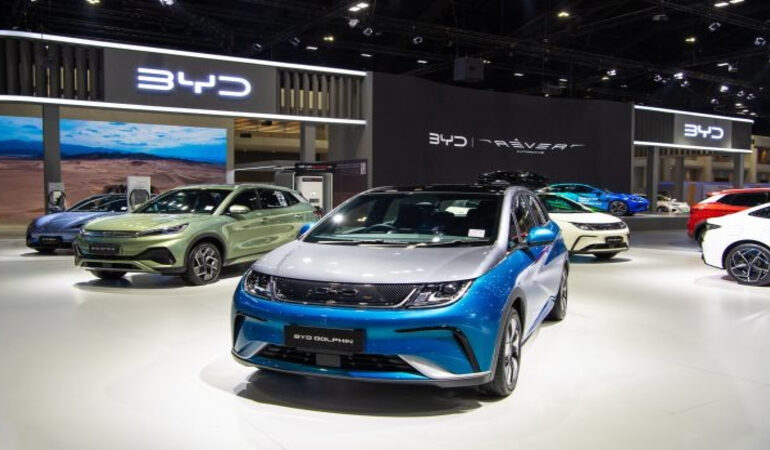
China remains the world’s largest EV market, but it is also becoming one of the most competitive. Established players such as BYD face growing rivalry from both domestic startups and traditional carmakers accelerating their electric transition. Frequent price cuts, promotional incentives and rapid model updates have squeezed margins across the industry.
Investor sentiment has reflected these pressures. Shares of several EV makers have experienced sell offs as markets recalibrate expectations for earnings growth in 2026. Analysts note that earlier valuations were built on assumptions of sustained double digit expansion in deliveries and improving margins. The combination of slower demand and higher input costs has forced a reassessment of those projections.
Export markets may offer partial relief. Chinese EV manufacturers have expanded aggressively into Europe, Southeast Asia and parts of Latin America. Overseas sales can help diversify revenue streams and reduce dependence on domestic cycles. However, trade barriers, regulatory scrutiny and local competition present additional challenges abroad.
Policy direction will also play a critical role. Beijing has supported new energy vehicles through subsidies, tax incentives and infrastructure investment, but broader economic conditions and fiscal priorities could shape the pace of future assistance. Charging network expansion and battery technology innovation remain central to sustaining consumer interest.
As the industry matures, attention is shifting from rapid volume growth to sustainable profitability. Companies with stronger balance sheets, advanced battery technology and efficient supply chains may be better positioned to navigate the current downturn. The trajectory of raw material prices, domestic consumption trends and global trade dynamics will likely determine whether the recent sell off represents a temporary correction or a more prolonged adjustment phase.