Xiaomi Expands Investment in Chips and AI as Chinese Tech Firms Accelerate Robotics Ambitions
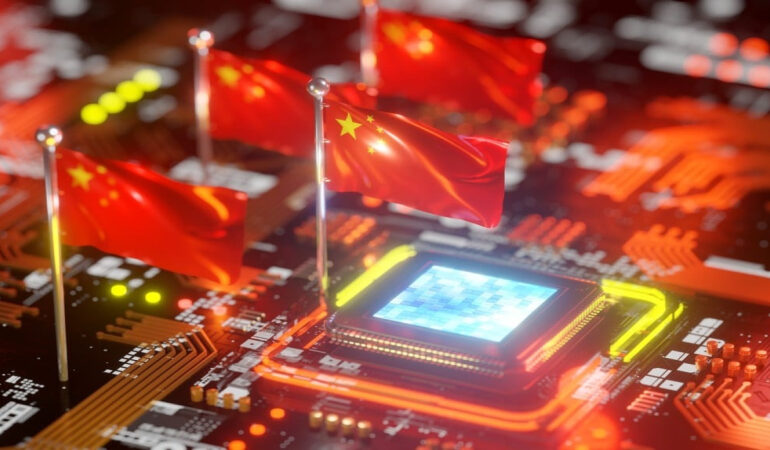
Xiaomi is intensifying its long term investment in semiconductor design, artificial intelligence and operating systems as China’s technology sector pushes deeper into core innovation. The Beijing based consumer electronics and electric vehicle company is positioning itself as a foundational technology player while peers such as Li Auto and Xpeng accelerate development of humanoid robotics platforms.
Founder and chief executive Lei Jun recently emphasized that private technology firms must strengthen research in core technologies and speed up commercialization. He highlighted that private enterprises have a structural advantage because of their proximity to consumers and real market demand, enabling faster iteration and product deployment.
Xiaomi’s five year roadmap prioritizes breakthroughs in chip development, AI integration and proprietary operating systems. The company has already expanded its in house chip design capabilities, targeting improved performance in smartphones, smart home devices and electric vehicles. Advanced chip architecture is increasingly seen as essential to reduce reliance on foreign suppliers and enhance system optimization across product ecosystems.
Artificial intelligence plays a central role in Xiaomi’s strategy. The company is embedding AI functions into smartphones, connected appliances and vehicle systems to improve automation, voice interaction and predictive analytics. As generative AI and large language models gain traction globally, Chinese technology firms are racing to incorporate AI capabilities into consumer and industrial applications.
At the same time, China’s electric vehicle manufacturers are exploring humanoid robotics as a natural extension of AI and automation research. Companies such as Li Auto and Xpeng have announced pilot programs and research initiatives aimed at developing robots capable of assisting in manufacturing, logistics and potentially consumer environments. The robotics push reflects broader ambitions to combine AI software with advanced hardware engineering.
Industry analysts note that semiconductor self sufficiency remains a strategic priority for China. Export controls and supply chain constraints have intensified efforts to build domestic capabilities in chip fabrication and design. Xiaomi’s expanded investment in chips aligns with national objectives to strengthen technological independence while enhancing competitiveness in global markets.
Operating system development is another pillar of the company’s strategy. By refining proprietary software platforms, Xiaomi aims to integrate devices across smartphones, vehicles and smart home systems into a unified ecosystem. Vertical integration between hardware and software can improve user experience, data security and system efficiency.
China’s technology sector is undergoing rapid transformation as firms shift from application level innovation toward foundational research. AI chips, edge computing and robotics hardware are becoming areas of intense competition. Companies that successfully combine semiconductor expertise with scalable AI deployment are expected to gain a durable advantage in both domestic and international markets.
Xiaomi’s expanded focus on deep technology underscores the broader transition underway in China’s innovation landscape, where private firms are increasingly central to driving advancements in semiconductors, artificial intelligence and next generation hardware platforms.