US Exports to China Collapse as Trade Wars Reshape Global Supply Chains
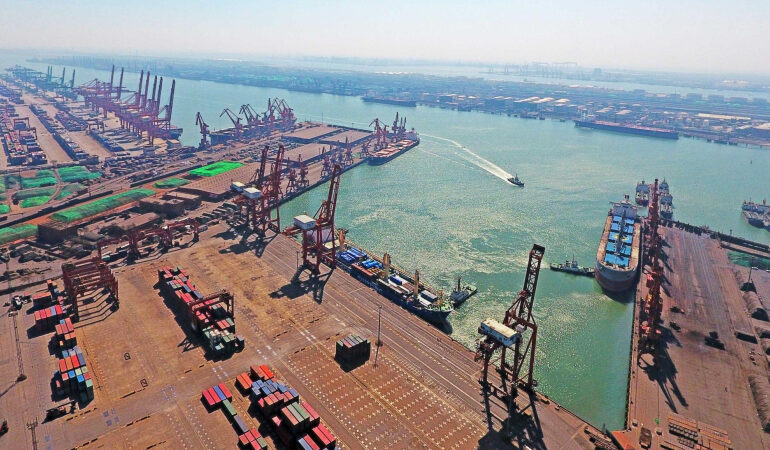
United States exports to China have fallen sharply in recent years, highlighting the long term impact of escalating trade tensions and structural changes in China’s economy. After renewed tariff increases in 2025, shipments of American goods to China dropped to levels not seen since the global financial crisis, underscoring how fragile bilateral trade flows have become.
Following the latest round of tariff hikes, US goods exports to China declined by more than 25 percent compared with the previous year. In real terms, exports fell nearly 20 percent in 2025 alone. Analysts estimate that without the tariff escalations that began in 2017 and intensified again in 2025, US exports to China could have been close to 60 percent higher, representing roughly 90 billion dollars in additional annual trade.
The downturn extends beyond a single sector. Manufacturing exports, which account for a significant share of US shipments to China, have struggled to regain pre trade war momentum. Automobile exports have fallen dramatically, reaching their lowest levels in more than a decade. Higher input costs linked to steel and aluminum tariffs, combined with Chinese retaliation, reduced the competitiveness of American vehicles in the Chinese market. At the same time, domestic Chinese manufacturers expanded aggressively in electric vehicles, reshaping local demand patterns.
Agricultural exports have also been volatile. Soybeans, historically one of the largest US farm exports to China, have experienced sharp swings. China has diversified suppliers by increasing purchases from Brazil and Argentina, reducing reliance on American farmers. Other products such as corn, wheat and pork have faced similar headwinds during periods of tariff retaliation.
Energy exports, including crude oil and liquefied natural gas, have likewise fluctuated. While some cargoes have been redirected to other global buyers, China’s retaliatory measures and broader demand shifts have limited growth in direct US shipments.
Services trade has not been immune. Educational services and tourism exports remain below pre pandemic peaks, while financial services and intellectual property licensing have shown limited expansion despite earlier commitments to improve market access. Broader geopolitical tensions and regulatory uncertainty have dampened business travel and cross border investment flows.
Complicating the picture further, China’s overall import growth has slowed even as its exports have expanded globally. Structural policies aimed at boosting domestic production and reducing reliance on foreign suppliers have contributed to weaker import demand. Producer price deflation and slower economic growth have also constrained purchasing power.
The evolving trade landscape presents both risks and opportunities. As China’s trade surplus widens and other economies experience similar challenges accessing its market, there is growing discussion among advanced economies about coordinated approaches to address supply chain imbalances and industrial policy concerns. Whether future negotiations between Washington and Beijing can stabilize trade flows will depend not only on tariff adjustments but also on deeper structural reforms and multilateral engagement.