Veteran Chinese Communist Party Leader Song Ping Dies at 109
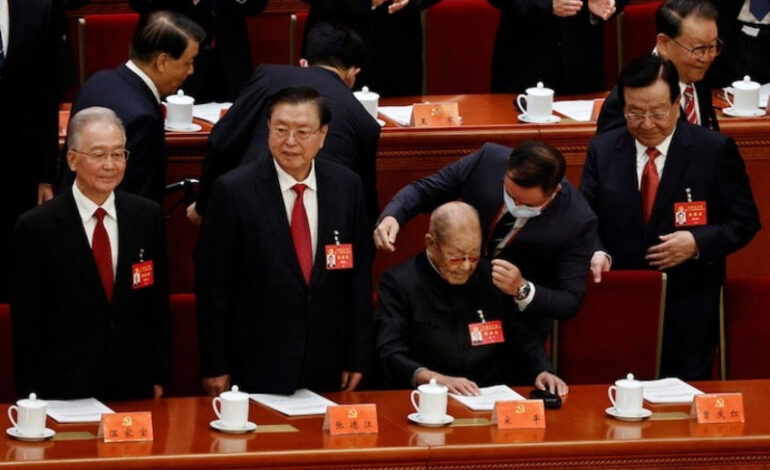
Song Ping, one of the most senior figures in the history of the Chinese Communist Party and a former member of the powerful Politburo Standing Committee, has died in Beijing at the age of 109. His passing marks the end of a long political career that spanned some of the most transformative decades in modern Chinese history.
Chinese state media confirmed that Song died after an illness in Beijing. Born in 1917, he belonged to the generation of revolutionary officials who helped shape the political structure of the People’s Republic of China during the twentieth century. Over the course of his career he held several important roles within both the Communist Party and the Chinese government.
Song Ping was widely known for his influence within the party leadership during the period of reform and economic transformation that followed the Mao Zedong era. He became closely associated with the second generation of Chinese leadership that supported economic modernization under Deng Xiaoping.
Deng’s reforms in the late twentieth century shifted China away from strict central planning toward a more market oriented economy. During that time senior party figures such as Song played important roles in implementing policy changes and supporting leadership transitions within the Communist Party.
Song served as a member of the Politburo Standing Committee between 1989 and 1992. The body is considered the highest decision making authority in China’s political system and includes only a small number of top leaders responsible for guiding national policy.
Before reaching the highest levels of power, Song held a variety of government and party positions across different regions of China. His administrative experience and long involvement in party affairs helped him gain recognition within the leadership structure during a period when China was navigating political and economic change.
One of the aspects of Song’s legacy frequently highlighted by historians is his role in promoting younger political leaders within the party. He is often credited with recognizing the potential of Hu Jintao, who later became the president of China and served as the country’s top leader before the rise of Xi Jinping.
Song’s career also included work alongside some of the most prominent figures in the early years of the People’s Republic of China. Earlier in his political life he worked as a personal secretary to Zhou Enlai, the country’s first premier who played a central role in shaping Chinese diplomacy and domestic policy during the early decades of communist rule.
Over the years Song remained a respected elder within the Communist Party even after retiring from active political leadership. His presence at major political gatherings continued to symbolize continuity between earlier generations of revolutionary leaders and the modern leadership structure that governs China today.
Living to the age of 109 made Song the longest lived former member of the Politburo Standing Committee, placing him among the most enduring figures in the history of China’s ruling party.