BYD Moves to Export Electric Vehicles to Canada Under New Tariff Quota Policy
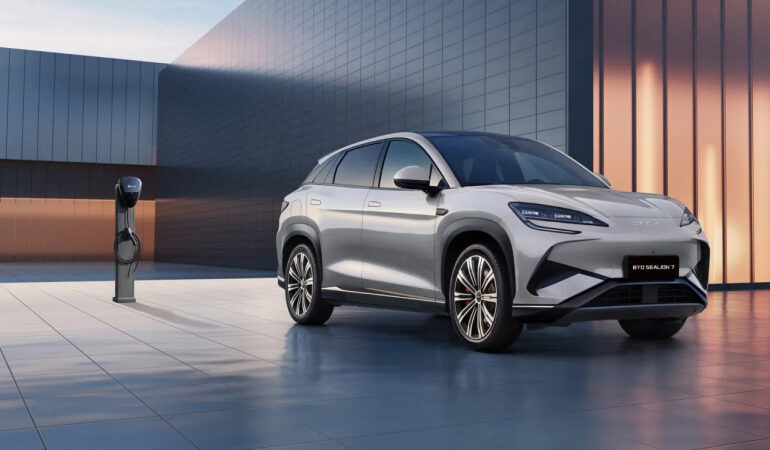
Chinese electric vehicle manufacturer BYD has taken steps to enter the Canadian market after the country introduced a limited tariff quota allowing Chinese built EVs to be imported at a significantly lower duty rate. The policy allows a defined number of electric vehicles produced in China to enter Canada under a Most Favoured Nation tariff rate of 6.1 percent, offering a potential opening for Chinese automakers seeking to expand their presence in North America. BYD has already begun registering vehicles with Canadian authorities as it prepares to take advantage of the policy window.
Canada’s new import framework allows up to 24,500 Chinese built electric vehicles to enter the country between March and August under the reduced tariff rate. The program is structured as a quota system in which permits are issued on a first come first served basis. The initial allocation forms part of a broader plan that could allow tens of thousands of vehicles into the Canadian market over the next several years. Authorities have indicated that the quota may gradually increase as Canada expands its electric vehicle adoption strategy and develops a more competitive EV supply chain.
BYD appears to be among the first manufacturers preparing to utilize the new policy. Regulatory filings show that the company has registered electric vehicles produced in its manufacturing facilities in Shenzhen and Xi’an for potential export to Canada. These steps are part of the company’s broader international expansion strategy as Chinese electric vehicle brands continue to enter new markets across Europe, Asia and parts of North America. The move reflects growing global demand for competitively priced electric vehicles produced by Chinese manufacturers.
The policy marks a shift from Canada’s earlier approach toward Chinese electric vehicles. In late 2024 the Canadian government imposed extremely high tariffs on EV imports from China, effectively halting most shipments. Those tariffs raised the combined duty rate above one hundred percent, making Chinese vehicles significantly more expensive and reducing exports sharply. The new quota based system introduces a limited pathway for Chinese automakers to reenter the market while still maintaining protective measures for domestic manufacturers and regional supply chains.
Canadian policymakers have suggested that the country’s electric vehicle market will require more affordable models as adoption increases. Industry observers note that Chinese brands have become highly competitive in producing cost efficient EVs supported by advanced battery technology and large scale manufacturing capacity. Some analysts believe that a significant portion of future Chinese EV imports into Canada could consist of vehicles priced below thirty five thousand Canadian dollars, which may appeal to a broader range of consumers as governments push for wider electric vehicle adoption.
Chinese automakers are also expanding their international footprint as the country’s vehicle exports continue to grow rapidly. China has become the world’s largest exporter of automobiles in recent years, supported by strong growth in new energy vehicles including battery electric cars and plug in hybrids. Export volumes have risen sharply as Chinese manufacturers invest heavily in global distribution networks, technology development and competitive pricing strategies.
Before BYD vehicles can be sold in Canada, the models will need to complete several regulatory and safety approvals. These include certification under Canadian motor vehicle safety standards along with compliance checks related to battery safety, charging systems and vehicle software. Industry experts say the regulatory review process will determine how quickly Chinese electric vehicles can begin appearing in Canadian showrooms under the new tariff quota system.