China’s Parliament Unveils Economic and Technology Roadmap as Five Year Strategy Takes Shape
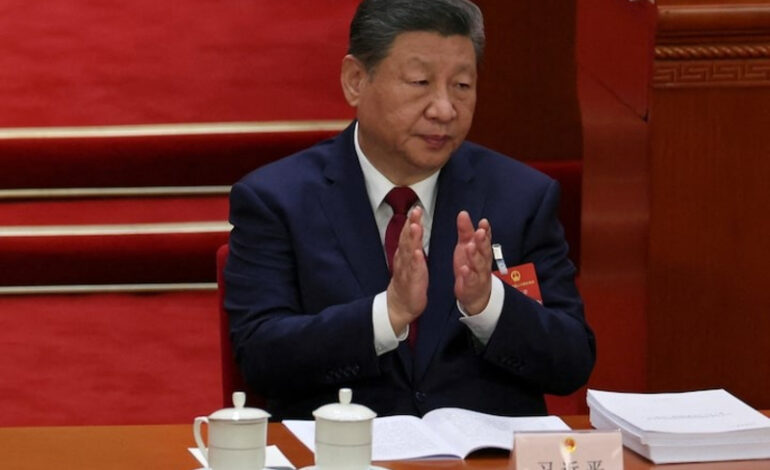
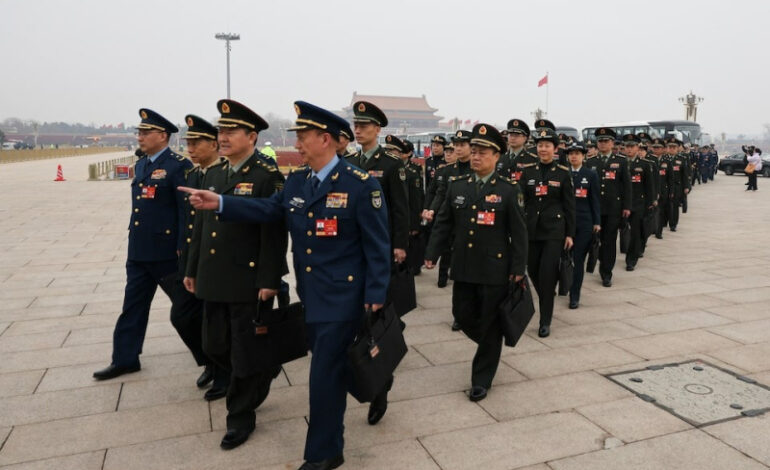
China’s leadership has presented a broad policy roadmap outlining the country’s economic, technological and strategic priorities for the coming years as lawmakers gathered for the annual session of the National People’s Congress in Beijing. The policy framework sets out targets for economic growth, industrial development and national security while emphasizing China’s determination to strengthen technological capabilities amid intensifying competition with the United States. The roadmap forms part of China’s long term development strategy that aims to sustain economic momentum while shifting the country toward advanced manufacturing, digital industries and scientific innovation.
One of the central elements of the plan is the government’s economic growth target for the year ahead. Authorities are aiming for expansion in the range of roughly four and a half to five percent, slightly below the pace achieved in the previous year. Policymakers say the target reflects a more cautious economic environment shaped by slower global demand, property sector challenges and structural adjustments within the domestic economy. The government also intends to maintain steady fiscal stimulus with a budget deficit level similar to the previous year as officials attempt to stabilize growth.
Technology development remains a central pillar of China’s long term strategy. Government leaders emphasized the importance of accelerating research in fields such as artificial intelligence, quantum computing and advanced digital infrastructure. These technologies are expected to play a key role in strengthening China’s industrial competitiveness and supporting the transformation of manufacturing toward more automated and data driven production systems. Officials also highlighted the strategic importance of rare earth resources, which China dominates globally and which are essential for advanced electronics, renewable energy equipment and defense technologies.
Military modernization was another major focus of the policy announcements. China confirmed that defense spending will increase by seven percent in the coming year as the country continues to expand military capabilities and modernize its armed forces. The government has repeatedly stated that it aims to achieve significant modernization milestones for the military by the year 2035. Investments in advanced defense technologies, naval capabilities and aerospace systems are expected to remain priorities as China seeks to strengthen its strategic position in an increasingly complex security environment.
Financial stability also featured prominently in the policy blueprint. Authorities indicated plans to provide additional capital support to state owned banks in order to strengthen the financial system and ensure continued lending to key sectors of the economy. Funding support is expected to prioritize emerging industries such as technology development, advanced manufacturing and innovation driven enterprises. Strengthening the financial system is viewed as essential for supporting economic transformation while managing risks linked to debt and slower growth.
Demographic changes represent another challenge addressed in the new policy agenda. China’s aging population and declining birth rate have raised concerns about long term economic sustainability. In response, policymakers are introducing measures aimed at creating a more family friendly social environment through improvements in childcare support, healthcare services and education systems. These initiatives are designed to reduce the economic burden on families and encourage higher birth rates in the coming years.
Food security and environmental sustainability are also key elements of the new development strategy. The government aims to increase domestic grain production capacity over the next five years in order to strengthen national food security and reduce vulnerability to global supply disruptions. At the same time China plans to accelerate efforts to reduce carbon intensity across the economy as part of its broader climate policy commitments and energy transition strategy.