China Plans Birth Friendly Society and Expanded Social Security to Address Demographic Challenges

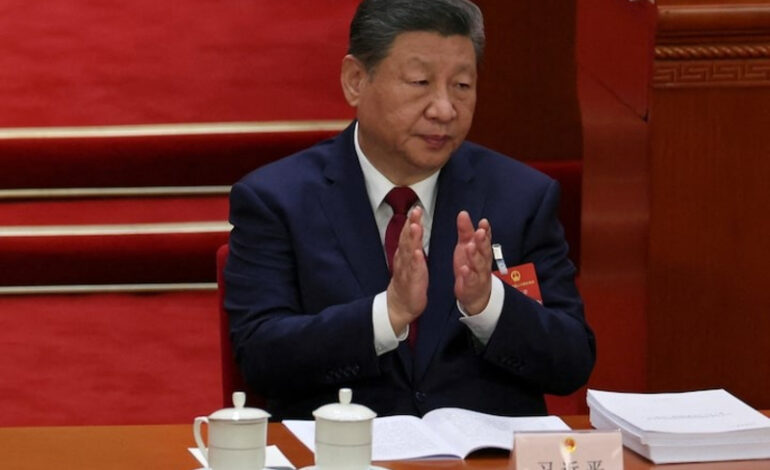
China has announced a series of policies aimed at building what officials describe as a birth friendly society as the country confronts a long term decline in population growth and a rapidly ageing demographic structure. The initiatives were presented as part of the government’s broader development strategy during the annual parliamentary session in Beijing. Policymakers say the measures will focus on improving employment opportunities, healthcare access, education services and family support systems in order to reduce the financial pressures associated with raising children and encourage higher birth rates.
The announcement comes as China’s population has continued to shrink in recent years while the national birth rate has reached record lows. Demographic shifts have become a major concern for policymakers because a declining workforce could affect economic growth, productivity and long term fiscal stability. Government leaders believe that stronger support for families combined with improvements in social services could help stabilize population trends and maintain the country’s economic momentum in the decades ahead.
One of the key elements of the new policy framework is a comprehensive effort to reduce the financial burden faced by families raising children. Authorities plan to expand childcare subsidies, strengthen housing support for households with children and improve access to education and healthcare services. These measures are intended to address common concerns among younger couples about the cost of raising a family in large urban centers where housing prices and living expenses remain high.
Healthcare reforms are also expected to play an important role in the strategy. Officials have indicated that pregnancy related medical costs will be more widely covered by the national health insurance system. Expanded coverage could include support for fertility treatments and maternal healthcare services in an effort to make family planning more accessible. Improved reproductive health services and enhanced medical programs aimed at preventing birth related complications are also being developed as part of the broader population strategy.
Education policy is another area where changes are planned to support families with children. Authorities are working to expand access to early childhood education and increase the number of available school places in secondary education institutions. The government has pledged to maintain strong investment in education spending as part of its long term development agenda. Expanding educational opportunities is seen as a way to reduce pressure on families while also strengthening the country’s human capital development.
Alongside efforts to increase birth rates, China is also preparing for the growing needs of an ageing population. Policymakers have announced plans to expand services targeting citizens aged sixty and above as part of what they call the development of a silver economy. This concept includes expanding elderly care services, healthcare programs and specialized financial products designed for older citizens. Authorities are particularly focused on improving access to senior care services in rural areas where support systems can be more limited.
China’s ageing demographic structure is expected to reshape the country’s economic landscape over the coming decades. Projections suggest that the number of people aged sixty and above could reach around four hundred million by the middle of the next decade. As a result, the government is refining pension systems and social security policies to ensure long term financial sustainability while continuing to support older citizens leaving the workforce.