Mercedes Benz plans new electric vehicle platform in China using Geely technology
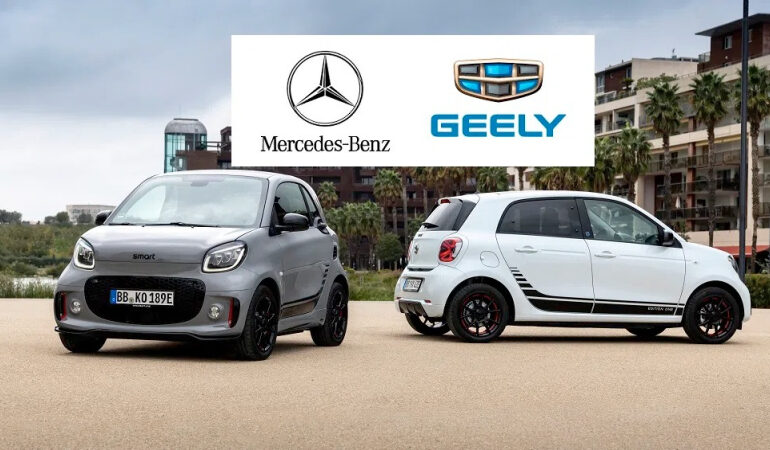
Mercedes Benz is developing a new electric vehicle platform in China that will use electrical architecture created by Chinese automaker Geely. The project signals a major shift in the global automotive industry as traditional Western carmakers increasingly turn to Chinese technology partners for next generation electric vehicles. The new platform is expected to support compact electric models that will be sold worldwide. Industry insiders say the initiative reflects both the rapid technological progress of China’s EV ecosystem and growing pressure on global automakers to reduce development costs while accelerating innovation in electric mobility.
For the first time in its long history, Mercedes Benz has given independent authority to a research and development centre outside Germany to lead the creation of a global vehicle platform. The company’s Chinese research centre will now serve as the global development hub for compact vehicles while its German operations focus on mid size and luxury segments. The platform, reportedly developed under the internal name Phoenix, is expected to power several future entry level electric models including next generation versions of vehicles in the A Class and CLA families. Production could begin toward the end of the decade as part of Mercedes Benz’s long term electrification strategy.
Sources familiar with the project say the platform will integrate Geely’s advanced electronic and electrical architecture, which is designed to support connected vehicles, digital systems and advanced driver assistance technologies. Modern electric vehicles rely heavily on these electronic systems to operate intelligent features such as smart cockpits and software driven vehicle controls. Chinese manufacturers have invested heavily in this area and have rapidly improved their capabilities in both software integration and electronic vehicle architecture. Analysts say access to these technologies could help Mercedes accelerate its electric vehicle development while keeping production costs competitive in global markets.
The collaboration also highlights the growing influence of Chinese engineering in the global electric vehicle sector. Mercedes engineers reportedly conducted detailed studies of several Chinese models and were particularly impressed by the technical efficiency of vehicles produced by Geely affiliated brands. Some internal evaluations found that Chinese electric vehicles deliver strong performance and digital capabilities while maintaining significantly lower manufacturing costs. These findings have encouraged greater cooperation between international automakers and Chinese technology developers as companies search for faster ways to build competitive electric platforms.
Partnerships between global car manufacturers and Chinese EV companies have become increasingly common in recent years. Volkswagen has formed alliances with Chinese technology firms to accelerate software development for electric vehicles. Stellantis and Renault have also pursued collaborations with Chinese automakers to strengthen their EV portfolios. The shift marks a significant change in the global automotive industry. For decades international companies transferred technology to China to access its market. Today the flow of innovation is increasingly moving in the opposite direction as Chinese engineering and software capabilities reshape the future of electric mobility.