China and Iran Back New Gulf Security Framework as Calls Grow to Reopen Strait of Hormuz
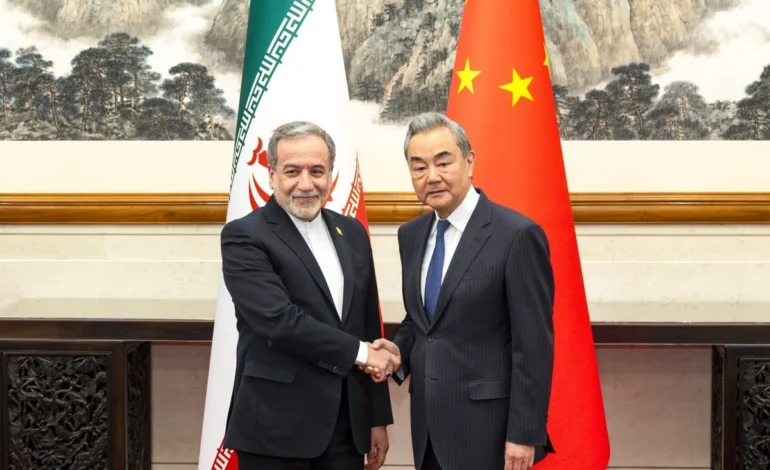
China and Iran have jointly signalled support for the creation of a new regional security framework in the Gulf, marking a significant diplomatic development at a time of heightened geopolitical uncertainty across the Middle East. The discussions took place in Beijing during high level talks between Chinese Foreign Minister Wang Yi and Iranian Foreign Minister Abbas Araghchi, with both sides emphasising the importance of regional states taking greater responsibility for their own security architecture rather than relying on external powers.
The meeting highlighted a shared vision for a more locally driven approach to stability in the Gulf, with China expressing support for what it described as a regional peace and security framework led by countries within the region itself. Wang Yi stated that Gulf and Middle Eastern nations should take their future into their own hands, reflecting Beijing’s broader diplomatic narrative that prioritises sovereignty, non intervention and multilateral dialogue among regional actors. The proposal comes amid ongoing tensions affecting maritime routes and energy flows that are critical to global markets.
A key focus of the talks was the strategic importance of the Strait of Hormuz, one of the world’s most vital shipping corridors for oil and gas transportation. Chinese officials stressed the need for the swift restoration of normal and safe passage through the strait, noting that disruptions to maritime traffic have wide ranging consequences for global economic stability. The issue has become increasingly sensitive as geopolitical frictions in the region continue to affect shipping confidence and insurance costs for energy exports.
Iran echoed concerns about regional security management, aligning with China’s call for reduced external military influence and greater emphasis on dialogue among neighbouring states. The discussions underscored a growing convergence between Beijing and Tehran on the need for alternative security arrangements that reduce dependency on Western led frameworks. This approach reflects a broader trend in Chinese foreign policy, which has increasingly positioned Beijing as a mediator in Middle Eastern diplomatic affairs while expanding its economic and strategic presence across the region.
Analysts view the meeting as part of a wider effort to reshape regional security conversations at a time when global power dynamics are shifting. The emphasis on a locally led framework suggests an attempt to create a parallel structure for dialogue and crisis management in the Gulf, potentially influencing future negotiations on maritime security and energy transit routes. As tensions remain elevated in several parts of the Middle East, the outcome of such diplomatic initiatives may play a key role in determining the stability of one of the world’s most strategically important waterways.