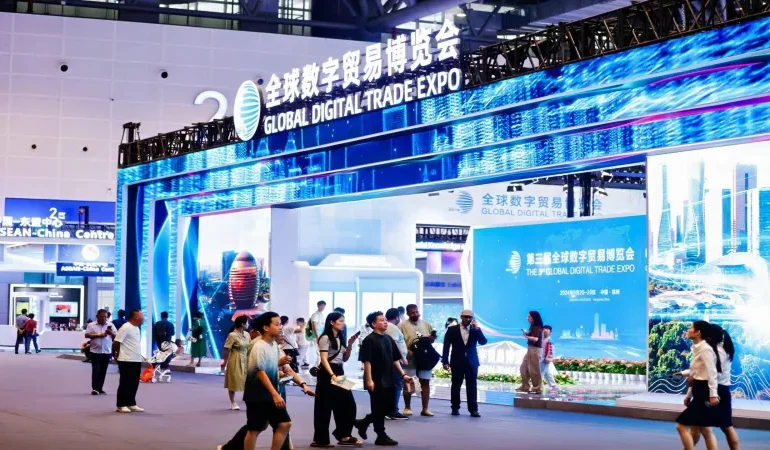
China Advances Smart Port Infrastructure to Strengthen Global Trade Logistics Networks
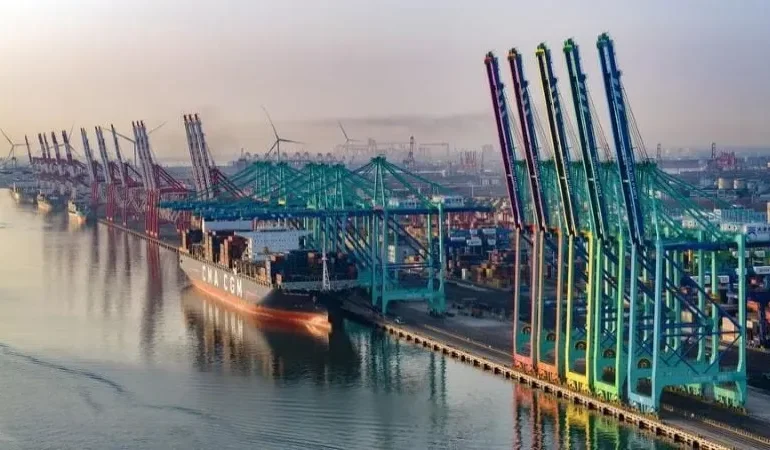
China is accelerating the development of smart port infrastructure in 2026 as technology becomes increasingly integrated into global trade logistics systems. Major shipping hubs across the country are deploying automation technologies, digital logistics platforms, and data driven management tools designed to improve cargo handling efficiency and strengthen international supply chain connectivity. As global trade continues to depend heavily on reliable shipping networks, smart ports are emerging as a critical component of China’s strategy to modernize logistics infrastructure and maintain competitiveness in international commerce.
Smart Port Technology Reshapes Global Shipping Logistics
Ports play a central role in international trade because they serve as gateways connecting manufacturers, logistics providers, and global markets. In recent years, China has invested heavily in modernizing port infrastructure through digital transformation initiatives. Smart ports combine automated cargo handling equipment with digital systems capable of coordinating container movement, shipping schedules, and customs procedures in real time.
Automated cranes, unmanned transport vehicles, and intelligent scheduling platforms are now being deployed in several major ports to streamline operations. These systems allow logistics managers to monitor container movements and adjust port activity dynamically as cargo flows change. By reducing manual coordination and improving operational visibility, smart port technology helps ports process cargo more efficiently while minimizing delays in shipping schedules.
Automation Improves Cargo Handling Efficiency
Automation technologies are transforming how container terminals operate. Robotic cranes and automated guided vehicles can move containers between ships, storage yards, and transportation networks with greater precision than traditional manual processes. These technologies allow ports to maintain consistent performance even during periods of heavy cargo traffic.
Automation also improves safety conditions within port environments by reducing the need for human workers to operate heavy machinery in high risk areas. Digital monitoring systems provide real time information about equipment performance, allowing maintenance teams to address technical issues before operational disruptions occur. As a result, automated ports can maintain more stable and predictable cargo handling operations.
Data Platforms Coordinate Logistics Networks
Smart port infrastructure relies heavily on digital platforms that connect shipping companies, logistics providers, and port authorities. These platforms allow stakeholders to exchange information related to cargo shipments, vessel schedules, and customs documentation through integrated digital systems.
When logistics data flows smoothly between these participants, port operations become more efficient and transparent. Shipping companies can coordinate arrival times more accurately, while logistics providers can plan transportation routes based on real time cargo availability. Customs authorities also benefit from improved data visibility that supports faster documentation verification processes.
The use of integrated logistics platforms strengthens the overall efficiency of global supply chains by reducing administrative delays and improving coordination between transportation networks.
Trade Connectivity and Global Commerce
China’s investment in smart port infrastructure reflects the growing importance of efficient logistics networks in international trade. As manufacturing output expands and global supply chains become more complex, ports must process larger volumes of cargo while maintaining reliable operational standards.
Smart ports provide the technological capabilities necessary to handle these challenges. By combining automation with digital logistics platforms, port authorities can manage shipping activity more effectively and ensure that goods move smoothly between production centers and international markets.
For export oriented industries, efficient port operations are essential for maintaining delivery schedules and customer satisfaction. Smart port technology therefore contributes directly to the competitiveness of companies participating in global trade networks.
Policy Support and Infrastructure Development
Government policies encouraging logistics modernization have supported the development of smart ports across China’s coastal regions. Infrastructure investment programs emphasize the importance of digital technology and automation in strengthening the country’s transportation systems.
Regional authorities frequently collaborate with technology providers and logistics companies to implement new port management systems that enhance operational performance. These initiatives encourage the adoption of advanced technologies while ensuring that infrastructure development aligns with broader economic objectives related to trade and industrial growth.
Future Outlook for Digital Trade Infrastructure
As global trade continues evolving, digital infrastructure will play an increasingly important role in shaping logistics networks. Ports that successfully integrate automation and data driven management tools will be better positioned to manage rising cargo volumes and complex supply chains.
China’s ongoing smart port development suggests that logistics modernization will remain a priority for both policymakers and industry leaders. Continued investment in digital trade infrastructure is expected to strengthen supply chain reliability while supporting the country’s role in global commerce.
Conclusion
China’s advancement of smart port infrastructure demonstrates how automation and digital logistics platforms are transforming global trade networks. By integrating technology into port operations, the country is enhancing cargo handling efficiency, improving supply chain coordination, and reinforcing its position within the international shipping economy.