US Robot Import Ban Reshapes Chinese Smart Vacuums
Chinese Smart Vacuums and the New US Import Ban
Chinese smart vacuums are being caught up in tighter US import enforcement aimed at connected robotic devices. Importers and brokers have indicated more shipments being held for review as US Customs and Border Protection asks for radio authorization records, labeling, and responsible-party documentation tied to FCC marketing rules. The action is not necessarily a blanket ban on household appliances; it is more accurately described as a compliance-driven squeeze on networked robots that use Wi Fi, Bluetooth, cameras, lidar, or cloud-linked apps. For US shoppers, the impact tends to show up first in premium robot vacuums with wireless connectivity and companion apps, where paperwork and testing costs can be higher.
Border Screening, FCC Rules, and What Triggers Holds
The key trigger is whether a robot vacuum is treated as a communications device as well as an appliance. According to FCC equipment authorization and marketing requirements, many intentional radiators require authorization before devices can be marketed in the United States, and importers can be held responsible for noncompliant shipments. Similar compliance pressures are seen across connected robotics categories, with firms adjusting product plans and disclosures; see China humanoid robotics industry speeds up under curbs. In practice, multi-radio designs, camera-enabled mapping, and cloud connectivity can increase the compliance burden, particularly when suppliers cannot produce grant documentation quickly. This can result in longer inspections, higher brokerage fees, and shipments returned to origin when records do not match what arrives at the port.
Retail and Supply Chain Disruptions for US Sellers
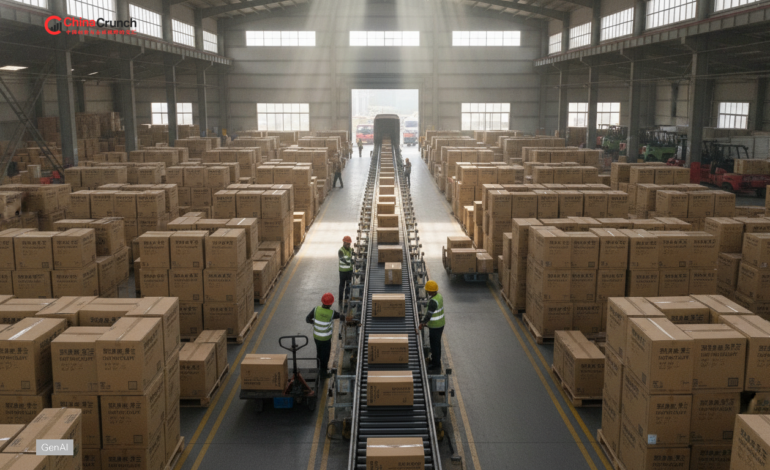
US retailers and logistics firms are adjusting forecasts as listings are reviewed for certification language, radio module IDs, and import documentation for connected robot vacuums. Distributors and freight intermediaries say that when containers are delayed by approximately 10 to 20 days, warehousing and demurrage can erode margins on mid-range models, pushing some sellers to favor domestically stocked inventory or lower-risk variants. For broader context on how trade pressure is widening beyond a single product class, see China-US trade relations strained by new US curbs. Some brands are shifting US-bound inventory to Canada, Europe, or Southeast Asia to avoid prolonged holds. As a result, availability can shift week to week, especially for new releases of Chinese smart vacuums.
What US Consumers Will Notice in 2024 to 2025
For buyers, one likely change is fewer choices at the top end, where advanced mapping, obstacle avoidance, and docking stations often come with more sensors and radios that may require additional paperwork. Related shifts in connected-device business strategy are also discussed in ByteDance AI revenue hits US$4b as Lark reshapes. American consumers may see longer delivery estimates, more third-party sellers rotating stock, and price increases that sellers may attribute to retesting and compliance services. In some tiers, simpler models may remain plentiful because they use fewer wireless features or rely on older, already-authorized modules. App-controlled robot vacuums with camera-assisted navigation can be more likely to face screening and documentation requests, which can narrow selection during peak shopping periods for Chinese smart vacuums.
Future Outlook for Chinese Smart Vacuums in the US
Exporters are responding with more compliance-first planning, according to industry participants and trade intermediaries: US-specific radio modules, clearer supplier attestations, and tighter packaging labels that match authorization filings. The strategic question is whether brands absorb added testing and legal costs or prioritize markets with faster approvals and less scrutiny. Many companies are preparing parallel SKUs so a connected model can ship with different wireless components or reduced features depending on destination. In the near term, Chinese smart vacuums may remain competitive on engineering and value, but access to US shelves will likely hinge on documentation quality, consistent component sourcing, and how regulators classify connected robotic devices across categories.