Asian Stock Markets Closed as Holiday Halts Trading Across China Hong Kong and Taiwan
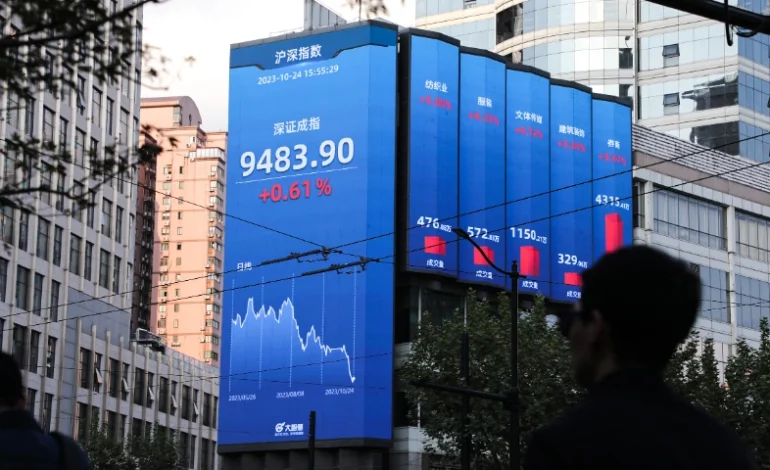
Stock markets across key Asian financial hubs remained closed as a public holiday brought trading activity to a halt in China, Hong Kong, and Taiwan, along with several other regional exchanges. The pause in market operations reflects a coordinated holiday break, leading to reduced liquidity and limited activity in the broader Asian financial landscape. Investors and traders are temporarily stepping back as exchanges observe the holiday period.
The closure means that no equity, derivatives, or related financial instruments are being traded in these markets, affecting both domestic and international participants who rely on Asian sessions for global trading strategies. Market analysts note that such synchronized shutdowns can influence short term volatility in other regions, as global investors adjust positions in the absence of activity from major Asian economies.
The holiday period is tied to regional observances, which typically see increased travel and reduced business operations across multiple sectors. Financial institutions and trading platforms align with these national holidays, ensuring that market participants have clarity on trading schedules. While closures are routine, they remain significant due to the size and influence of Asian markets in global finance.
Investors are expected to resume trading once markets reopen, with attention shifting back to economic data, corporate developments, and geopolitical factors that may have evolved during the break. Any major developments occurring while markets are closed can lead to sharp reactions when trading resumes, particularly if global conditions shift significantly.
The temporary pause highlights the interconnected nature of global financial systems, where activity in one region can influence others. As markets reopen, traders will closely monitor price movements and liquidity conditions to assess the impact of the holiday gap on broader market trends.