Chinese Memory Giants Grow Share With Low Prices
China’s Competitive Pricing Tactics in Memory Chips
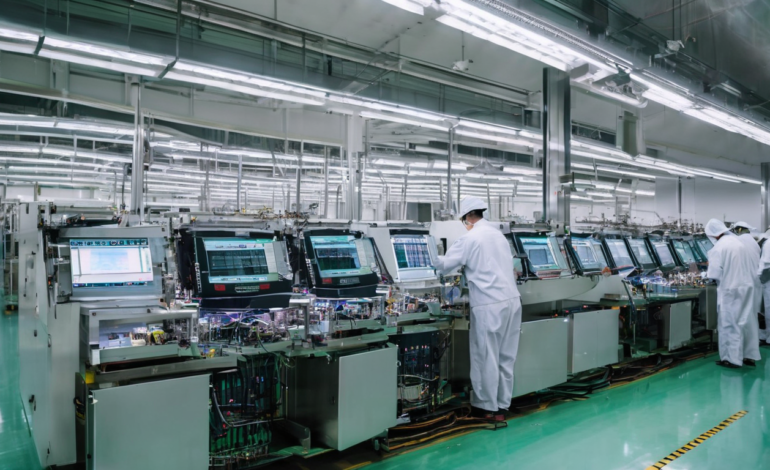
Chinese memory chipmakers are pressing a clear pricing strategy aimed at winning share in DRAM and NAND, and the signal is being felt across contract pricing and spot sentiment. Today, analysts say that discounts are not isolated promotions, they are being used to keep wafer starts high and lock in design wins with device makers that are rebuilding inventories cautiously. The market share gains hinge on predictable supply, credible road maps, and the ability to undercut rivals without sacrificing long term customer support. Live trading chatter in Asia has also focused on how quickly price cuts translate into new orders, especially in consumer electronics that remain sensitive to bill of materials swings. An Update from channel checks points to more aggressive bids in mainstream densities where volume is deepest.
Capacity Expansion: Key to Market Dominance
Capacity is the other lever, and analysts argue expansion plans make low pricing sustainable by spreading fixed costs and improving yields at scale. The most immediate consequence is pressure on peers that rely on disciplined output cuts to stabilize pricing, because expanded Chinese output can keep supply more available even when demand softens. This market share push is also tied to national priorities around supply chain resilience, which is being discussed alongside broader trade positioning in regional policy circles, including China’s push for balanced trade and deeper reforms. Today, procurement teams are weighing contract flexibility against the risk of tight allocations later in the year if utilization rates rise further. An Update from industry contacts suggests qualification cycles are shortening for certain client segments, helping capacity translate into shipments sooner.
The Impact of AI Demand on Chip Industry Growth
AI servers and high performance computing are reshaping the global memory industry by pulling demand toward higher bandwidth stacks and larger capacity modules, and that shift creates both opportunity and constraint for new entrants. Even without calling it a boom, order books linked to data center builds are keeping suppliers focused on mix, not just volume, because margins depend on the ability to sell into premium configurations. Live market coverage has highlighted that competition is not only about headline price per gigabyte, it is also about consistency across lots, validation at scale, and the ability to meet tighter power and thermals targets. For context on how geopolitics can tighten equipment access and technology road maps, ASML shares dropping on proposed export curbs has been tracked closely by investors watching memory capex.
Global Implications of China’s Market Strategy
The global impact lands first on rival suppliers and then on downstream buyers, because sustained price competition can compress margins and alter capital discipline across the cycle. If Chinese vendors keep expanding while maintaining discounts, competitors may respond with deeper production cuts, delayed node transitions, or a pivot to higher end segments where differentiation is clearer. That would change the balance of the global memory industry, potentially widening the gap between premium and commodity lines and making planning harder for OEMs that depend on predictable ASPs. Live commentary from supply chain managers suggests buyers welcome lower near term costs but remain alert to sudden shifts if trade rules or sanctions change input availability. For a direct view of the analyst framing behind this dynamic, the report highlighted by the South China Morning Post is here: analysts on lower prices and expanded capacity.
Future Outlook for Chinese Memory Giants
Near term results will be judged by whether pricing gains convert into sticky design wins and longer contracts, rather than one off spot victories. The key indicators include shipment growth versus bit growth, customer concentration trends, and whether product portfolios climb into higher reliability tiers that command better margins over time. An Update in the coming quarters will likely center on how efficiently new lines ramp and how quickly yields mature, because those operational metrics determine how long aggressive pricing can persist without eroding financial resilience. Investors are also watching how the next cycle of enterprise demand affects average selling prices and whether procurement resets favor suppliers with diversified packaging and testing ecosystems. For a wider view of how policy tensions and regional security concerns can ripple into tech supply chains, China urging an immediate ceasefire as conflict escalates offers a reminder that macro shocks can quickly reprice risk across semiconductors.