Chinese Robotaxi and Energy Breakthroughs Signal Global Tech Shift
Chinese supercomputers have been used in a new scientific study that challenges long standing theories about the underground structure of Yellowstone, one of the most powerful volcanic systems on Earth. According to research published by a Chinese scientific team, the formation of Yellowstone’s magma channels may not be the result of molten rock pushing its way upward as previously believed. Instead, the study suggests that deep tectonic forces first fractured the Earth’s lithosphere, creating natural pathways that later allowed magma to rise and fill these channels. The use of high performance supercomputing allowed researchers to simulate geological processes at a scale and speed that was previously impossible, offering new insights into how massive volcanic systems evolve over millions of years. This development highlights China’s growing role in computational earth sciences, where advanced digital modelling is increasingly used to reinterpret long standing geological assumptions and refine global understanding of volcanic behaviour and risk assessment.
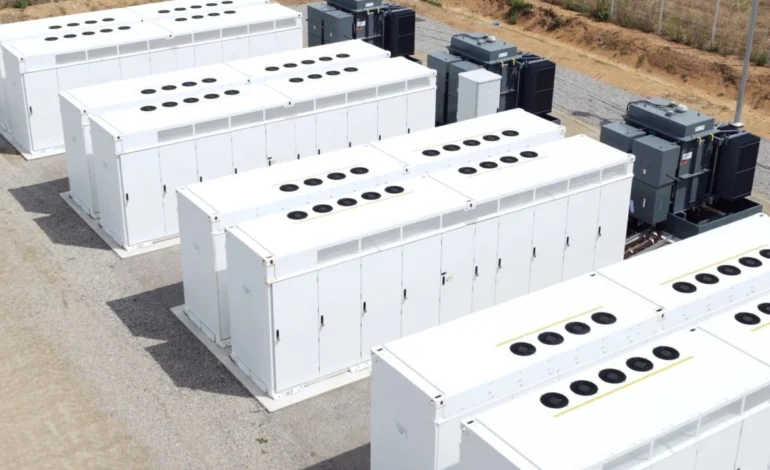
In parallel with major scientific advances, Chinese researchers have also unveiled a new ultra low cost all iron flow battery technology that could reshape global energy storage markets. Unlike conventional lithium ion batteries, which rely on expensive raw materials, the new system uses iron, a widely available and far cheaper metal. Scientists report that the battery has demonstrated strong stability across thousands of charge and discharge cycles with minimal performance loss, addressing one of the most critical challenges in renewable energy adoption, which is long term storage efficiency. If scaled successfully, this technology could significantly reduce the cost of integrating solar and wind power into national grids, especially in developing economies. It also offers the potential to improve energy security by reducing reliance on lithium supply chains, which are concentrated in a limited number of countries. Experts suggest that breakthroughs like this may accelerate the global shift toward renewable energy systems by making storage more affordable and scalable at industrial levels.
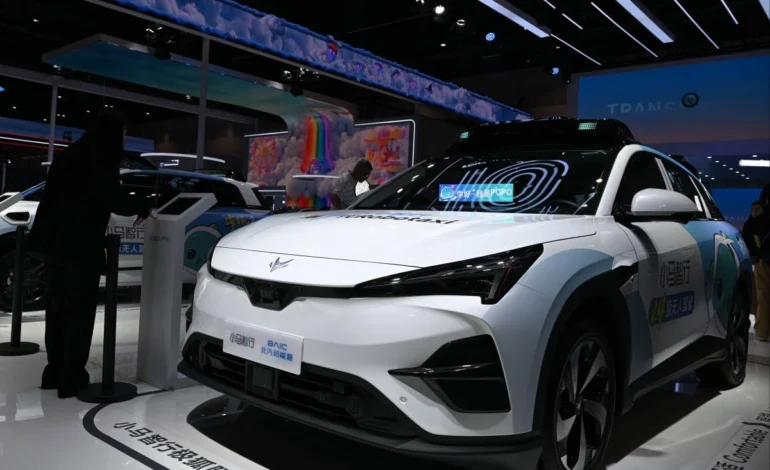
At the same time, China’s autonomous driving sector is expanding rapidly, with robotaxi companies accelerating international deployment strategies. Firms such as Pony AI and WeRide are leveraging China’s advanced new energy vehicle ecosystem to reduce production and operational costs, giving them a competitive advantage in global markets. According to industry executives, the cost of a seventh generation robotaxi in China has been reduced to levels lower than some mass market electric vehicles, enabling large scale commercial deployment at significantly lower investment thresholds compared to Western competitors. This cost efficiency is largely driven by China’s integrated supply chain, which includes battery production, electric vehicle manufacturing, and artificial intelligence systems for autonomous navigation. As a result, Chinese companies are increasingly positioning themselves to expand into overseas cities, aiming to establish early dominance in the global robotaxi market.
Taken together, these developments reflect a broader technological acceleration across multiple sectors in China, from deep earth science research to energy storage innovation and autonomous mobility systems. Each advancement demonstrates a convergence of high performance computing, industrial scale manufacturing, and artificial intelligence driven engineering. Analysts note that this combination is creating a new model of technological deployment where research breakthroughs are rapidly translated into commercial applications. The implications extend beyond domestic growth, potentially influencing global standards in energy infrastructure, transportation systems, and scientific modelling approaches in the years ahead.