Uber buys FlyTaxi as Hong Kong rules near start
Uber’s Strategic Acquisition of FlyTaxi
Regulators and operators are watching Hong Kong transportation closely as Uber moves to buy cab ordering platform FlyTaxi ahead of new licensing rules. Today, executives across the sector are treating the deal as a tactical integration play rather than a branding exercise. In live market conditions, the transaction signals Uber wants deeper supply control across taxis and private hire vehicles while rules are still being drafted. The Uber FlyTaxi acquisition is designed to consolidate dispatch, payments, and driver onboarding into one workflow, cutting delays that have hurt peak demand fulfillment. Reuters framed the purchase as timed to regulation, and that timing is what investors are pricing. Update briefings from rival fleets now focus on retention incentives, not price wars.
Implications of Upcoming Ride-Hailing Regulations
Draft ride-hailing regulations are reshaping compliance planning, with legal teams mapping what can be automated inside apps versus what must be documented offline. Today, operators want clarity on licensing, insurance, and data retention because audits will likely focus on traceability and passenger safety. For a live view of how policy risk can hit platforms quickly, some analysts point to regulatory crackdowns discussed in FCC vote widens China tech crackdown in testing, which tracks how oversight expands once frameworks exist. The Uber FlyTaxi acquisition matters here because a taxi ordering stack can embed verification checks without forcing drivers to switch tools mid shift. Update notes from lawyers cited by Reuters emphasize that early alignment reduces disruption when enforcement begins.
Impact on Hong Kong’s Taxi Industry
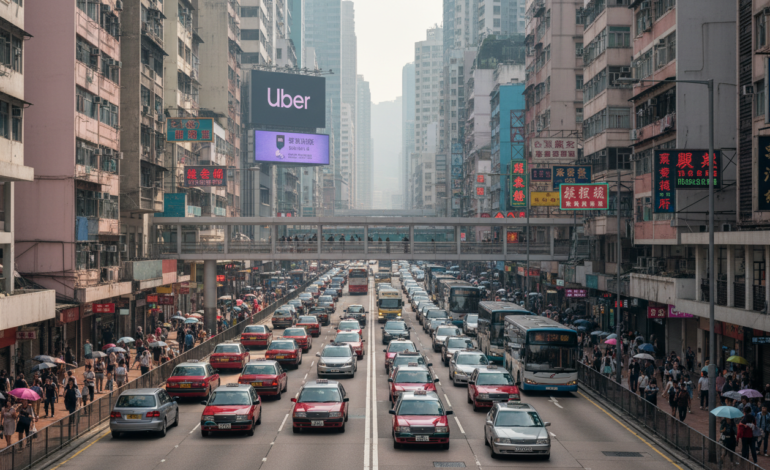
Taxi operators are reading the deal as a bet on taxi industry growth through better matching, shorter waits, and fewer empty cruising kilometers. Today, associations are also weighing whether platform dispatch will weaken street hail economics, especially in dense corridors where taxis traditionally dominate. The South China Morning Post has documented how Hong Kong positions itself as a regulated financial and technology hub, and that culture of oversight informs transport policy as well, as seen in SCMP interview on Hong Kong as a payments hub. In live fleet operations, integrating taxi availability into one marketplace can raise utilization, but it also heightens scrutiny of fees and rankings. Update discussions among drivers focus on transparency, not just volume.
Economic Opportunities for Local Drivers
Driver earnings are likely to hinge on how dispatch priorities, commission rates, and cancellation policies are re written under the new framework. Today, unions and fleet owners want guarantees that any algorithmic changes will be explainable during disputes, since opaque ranking can shift income week to week. The Uber FlyTaxi acquisition could expand access to pre booked jobs that reduce downtime, particularly during airport runs and late night demand spikes. In live conversations at taxi stands, drivers emphasize cash flow stability and faster payout cycles rather than headline growth. For a window into how capital and policy intersect across regions, some business readers are also following Pakistan seeks extra yuan swap line from China now, because it shows how liquidity planning matters when rules change. Update planning now centers on training and verification in Hong Kong in 2026.
Future Prospects for Uber in Hong Kong
Execution will determine whether the combined platform can satisfy regulators while maintaining rider choice across taxis and private hire services. Today, compliance teams will have to prove that identity checks, trip records, and complaint handling meet the standards officials set, and that pricing mechanisms are defensible in hearings. Reuters has highlighted that the acquisition is positioned ahead of rulemaking, and that raises the bar for operational readiness once drafts become formal requirements. In live product terms, the next test is whether integrating FlyTaxi supply reduces surge frequency without depressing driver take home pay. The city’s Hong Kong transportation policy priorities, especially safety and accountability, will shape how quickly new features can roll out. Update cycles will be driven by consultation outcomes and enforcement timelines, not marketing launches.