FCC vote widens China tech crackdown in testing
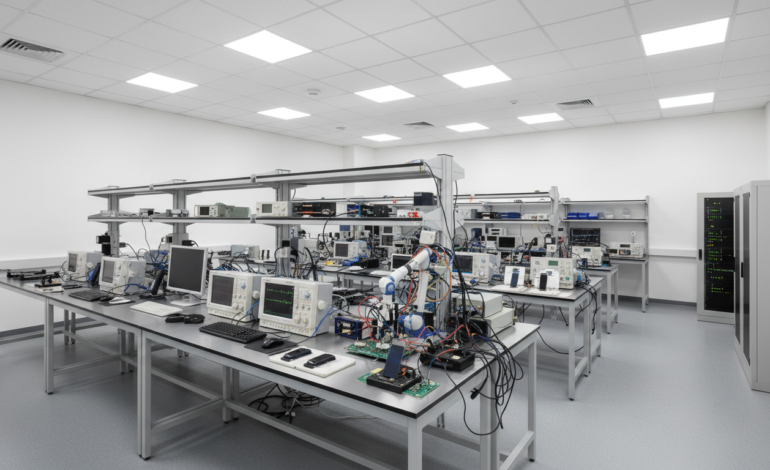
FCC’s Decision to Bar Chinese Labs Explained
The US Federal Communications Commission moved quickly to widen the scope of where compliance testing can happen, targeting laboratories tied to companies on its covered list. In a Live vote that signals a tougher enforcement posture, commissioners framed the move as a way to close a perceived loophole in equipment authorization. The action sits inside a broader China tech crackdown, but the mechanics focus on certifications that underpin radio, IoT and telecom device approvals before they reach US shelves. The FCC said the change is intended to prevent approvals that rely on labs considered untrusted for national security reasons. Today, vendors and importers are reviewing test reports already in progress and mapping which labs remain acceptable.
Impact on US-China Tech Relations
The immediate diplomatic effect is procedural, but it lands in a sensitive period for US-China tech relations as both sides set priorities for market access and security screening. The commission decision was covered by the South China Morning Post in its account of the FCC vote, which detailed the agency decision to expand restrictions on Chinese-linked testing and authorization pathways via SCMP report on the FCC vote. That reporting offered an Update on how the policy may apply to test results, accreditation steps and reliance on foreign facilities. The move adds friction to licensing, procurement and certification workflows, even when products are not themselves from Chinese brands. Today, policymakers are also weighing how such measures interact with existing chip curbs and outbound investment scrutiny.
Implications for the Global Electronics Market
The near term market impact is less about demand and more about capacity, because shifting certifications can crowd a smaller pool of approved labs and extend lead times for launches. Manufacturers are preparing an Update to schedules as they rebook testing slots for radios, Wi Fi modules and embedded cellular components used across consumer electronics. The change also amplifies the China tech crackdown narrative in procurement, forcing compliance teams to document lab provenance with greater precision for audits and customs. In Live production environments, even minor recertification delays can ripple into contract manufacturing calendars and seasonal releases. The broader geopolitics also feeds investor scrutiny of regional supply chains, as illustrated by Zardari in China for trade talks and CPEC focus, which reflects how trade discussions increasingly intersect with technology controls. Exporters are now recalculating buffer inventory and alternative validation routes.
Future of Tech Testing and Regulations
Regulatory specialists expect electronic testing restrictions to become more granular, with greater emphasis on chain of custody for samples, test data integrity and the independence of lab ownership structures. In the FCC vote rationale, the agency signaled that lab eligibility is becoming as important as device design, raising the compliance bar for certification partners and third party assessors. Companies are preparing Live documentation trails that can survive closer reviews of where testing occurred, which personnel handled results and which corporate entities ultimately control the facility. A parallel pressure point is the existing US tightening around semiconductors and related controls, including context described in US Tightens Chip Curbs Ahead of Xi-Trump Talks. Today, product counsel are advising teams to treat lab selection as a strategic decision, not a procurement afterthought, and to build redundancy across regions.
Industry Reactions to the FCC’s Vote
Device makers, carriers and specialized test houses are reacting differently depending on their exposure to cross border certification. Some importers say the FCC vote clarifies what had become an ambiguous risk area, while contract manufacturers are focused on how quickly labs outside China can absorb new workloads. The most immediate feedback centers on operational burden, because redoing tests or transferring partially completed work can add cost, especially for products with tight margins and short lifecycles. Executives are also watching whether the action expands beyond telecom facing devices into adjacent categories that carry radios by default, from wearables to industrial sensors. Another Update that industry expects is clearer FCC guidance on how to handle legacy certifications and pending authorizations. Live market conditions will hinge on whether alternative labs scale capacity without sacrificing turnaround times, including for common 2.4GHz Wi-Fi and LTE modules used in mass-market devices.