China Condemns Japan’s First Overseas Missile Test Since WWII as Tensions Rise in Asia Pacific
China has issued a strong condemnation following Japan’s participation in a live missile test conducted overseas, describing the move as a dangerous shift toward military expansionism and warning that it could destabilise the regional security balance in the Asia Pacific. The incident has drawn renewed attention to evolving defence alignments in the region, particularly as major powers continue to expand joint military exercises and strategic cooperation.
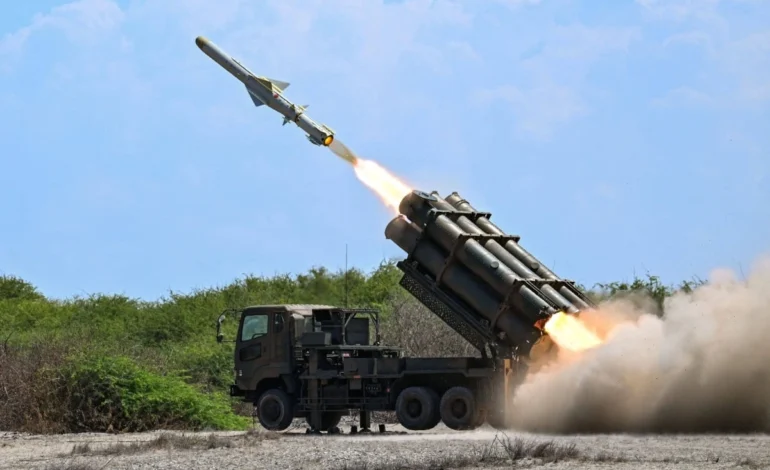
The controversy centres on a live firing exercise carried out during the Balikatan 2026 joint military drills led by the United States and the Philippines. During the exercise, Japanese forces launched a Type 88 surface to ship missile in Philippine territory, marking what Chinese officials described as the first overseas deployment of such a weapon by Japan since the end of the Second World War. Beijing has characterised the action as a symbolic break from post war military restraint, raising concerns about a broader shift in Japan’s defence posture.
According to Chinese commentary, the deployment represents an “offensive missile test” conducted beyond Japanese territory, a distinction that has intensified diplomatic criticism. While the Type 88 system is generally classified as a dual use platform capable of both defensive and offensive operations, its overseas use in a live fire setting has been interpreted by Beijing as signalling a more assertive military stance. Chinese officials argue that such developments reflect what they describe as a gradual resurgence of militaristic tendencies in Japan’s defence policy framework.
The timing of the exercise has added further sensitivity, coming amid increased strategic cooperation between the United States and its regional allies in the Indo Pacific. The Balikatan drills are widely regarded as one of the largest annual joint military exercises in the region, involving complex land, sea and air operations designed to enhance interoperability among participating forces. Japan’s expanded involvement in these drills has been closely watched by regional observers, particularly as Tokyo continues to reinterpret its post war defence limitations in response to evolving security challenges.
Beijing has warned that continued expansion of such activities could contribute to an arms race dynamic in the region, undermining long standing stability mechanisms in East Asia. Chinese officials have repeatedly urged restraint, calling for adherence to defensive principles and cautioning against what they view as bloc based military escalation. The latest incident is expected to further complicate already tense diplomatic relations between China and Japan, as both countries navigate overlapping territorial disputes, historical grievances and competing security interests in the wider Indo Pacific theatre.