AI Boom Drives Asia-Pacific Data Center Spending
Record-breaking AI-driven investments in 2025
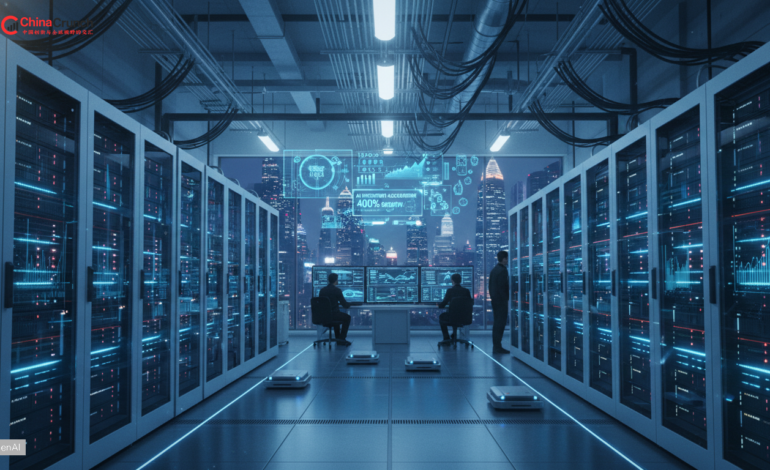
Capital is moving fast into server capacity across Asia-Pacific, as operators chase high density compute demand. In the middle of daily briefings, executives describe AI data center investment as the clearest signal that enterprise spending has shifted from pilots to production workloads. Today, bankers and project sponsors are treating capacity reservations and power contracts as the key deal drivers, not just land. Live deal pipelines are also tightening timelines for grid connections, with buyers prioritising facilities that can deliver quickly. In a rolling Update to clients, several regional brokers have pointed to a shift toward larger, multi-site buildouts that reduce construction risk and speed deployment. Developers are now priced on execution discipline.
Hong Kong’s emerging role in AI infrastructure
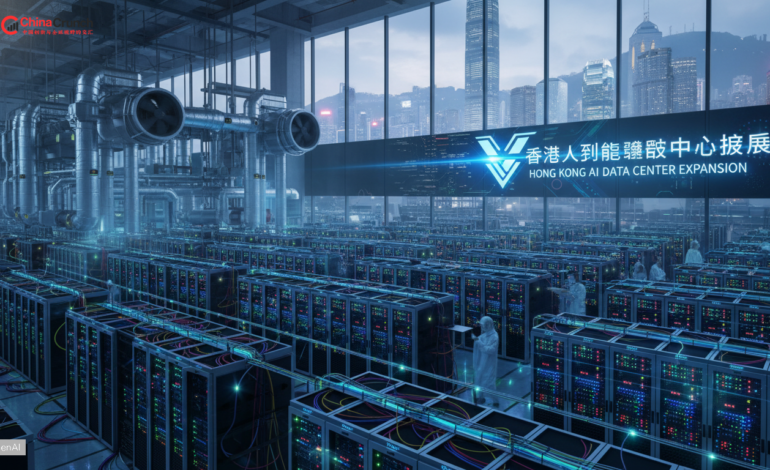
Hong Kong is pitching itself as a specialised node that can serve cross-border clients with resilient connectivity, stringent compliance and premium colocation standards. Today, operators say demand is being pulled by enterprises that need predictable latency and audited controls rather than the lowest cost rack. In a Live policy discussion, the government has framed data and innovation as part of its economic agenda, and coverage of broader regional priorities is also influencing investor narratives. One recent example, which underscores how AI adoption is reshaping the region’s digital supply chain, is China AI innovation drives a new knowledge economy. For Hong Kong data centers, the near-term Update from landlords and utilities focuses on power availability and the permitting cadence. The competitive edge is operational certainty.
Key players in Asia’s data center expansion
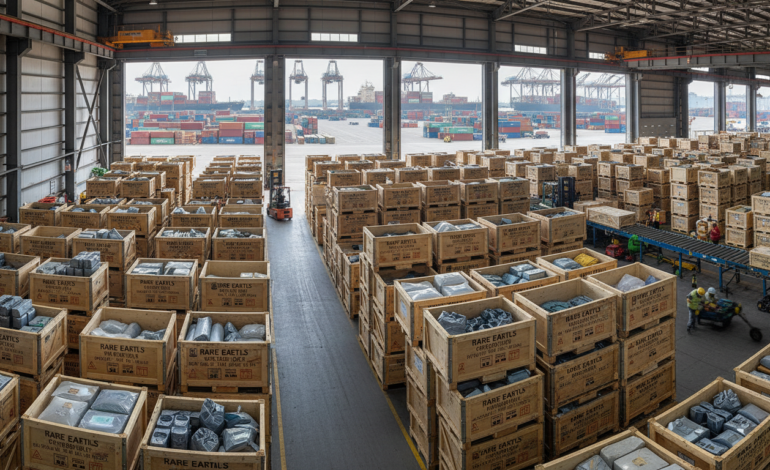
Across Singapore, Japan, Malaysia and Australia, the expansion is being led by global colocation brands, hyperscalers and local infrastructure funds that can underwrite long construction cycles. The market’s AI data center investment wave is also pulling in equipment suppliers, from liquid cooling vendors to power management firms that are scaling factories to meet lead times. Live procurement windows are tightening as buyers try to lock in transformers and switchgear, and Today’s competitive dynamics are being shaped by who can secure supply first. For readers tracking Asia-Pacific tech growth, the energy and hardware links are increasingly decisive for where new capacity lands. Additional context on strategic materials, discussed in China export grip tightens on rare earth magnets, highlights upstream constraints that can ripple into electronics supply chains. The next Update is expected to hinge on delivery schedules.
Challenges facing AI data infrastructure
The biggest constraint is power, not capital, as grid access and connection queues increasingly determine which projects reach operation on schedule. In the middle of technical due diligence, developers cite AI infrastructure requirements that push facilities toward higher rack density, advanced cooling and tighter uptime tolerances. Today, engineers are also managing water use limits and heat rejection rules that vary by jurisdiction, which can slow approvals or force design changes. Live operations teams report that equipment standardisation is improving maintenance, but it can expose supply bottlenecks when specific parts are backordered. A separate Update for investors is the scrutiny on emissions and renewable matching, where buyers want verifiable accounting rather than marketing. These constraints are prompting more staged buildouts and modular approaches that reduce commissioning risk. Execution is becoming the differentiator.
Future outlook for AI and data centers in Asia
The next phase looks less like a land grab and more like optimisation, as operators prioritise utilisation, performance guarantees and connectivity partnerships. AI data center investment is likely to remain elevated while enterprises expand model training and inference footprints, but allocation will favour markets that can demonstrate power certainty and regulatory clarity. Today, financiers are structuring deals around long-term offtake commitments, while Live capacity auctions are increasingly paired with service level penalties for delays. In an Update on broader AI commercialisation, Alibaba signals next phase of AI growth from investment to commercialisation details how spending priorities are evolving as firms seek revenue outcomes. For Hong Kong and its peers, the near-term winners will be those that can deliver on time, prove efficiency and keep client churn low.