Chinese EVs regain momentum with tech, deals in 2024
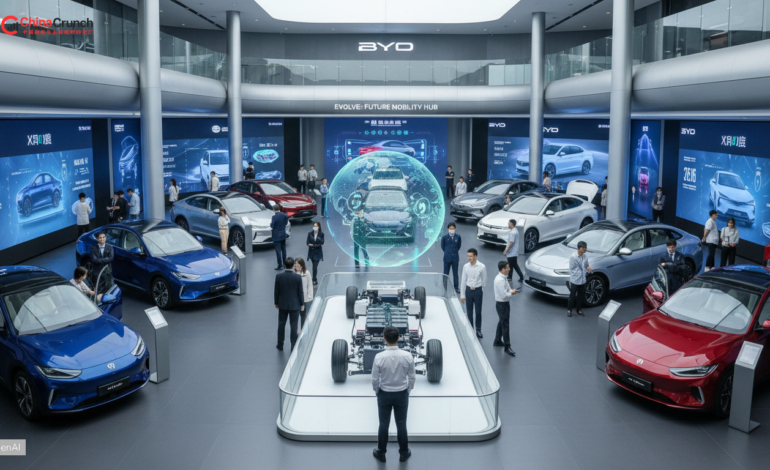
Chinese EVs: Market growth and shifting buyer demand
Reports suggest that Chinese EVs may be regaining momentum in 2024. Buyers in major cities are responding to faster model refreshes, richer trim mixes, and more aggressive financing offers. According to the China Association of Automobile Manufacturers (CAAM), new energy vehicle production and sales in 2024 showed a year-on-year increase, with battery electric and plug-in hybrid models both contributing. Domestic brands have leaned on frequent updates and broader configurations to help steady demand after earlier volatility. Dealers in several cities have also indicated that customers are increasingly comparing software packages, charging speed, and warranty terms alongside sticker prices, though these observations vary by region and brand. With more vehicles arriving with high-spec interiors and driver assistance features, the value equation may be shifting toward local brands in some mainstream segments.
Chinese EVs and tech upgrades reshaping competition
Competition is increasingly defined by software-centric features that may be moving from premium tiers into mass-market models, as indicated by industry coverage and company launch materials. The South China Morning Post has tracked how domestic chip and model advances are tightening China’s tech loop, including in its coverage of Huawei chips refining DeepSeek model performance. Buyers commonly weigh cabin displays, driver assistance packaging, and OTA cadence alongside battery range and charging curves, as reflected in reviews and dealer comparisons. Chinese brands increasingly cite in-house stacks and supplier ecosystems to iterate quickly, which may shorten the window for foreign rivals to respond with localized variants. Similar dynamics are visible across Chinese AI supply chains, including Hong Kong AI model launches on domestic chips, adding context to the pace of domestic computing improvements that automakers can increasingly tap.
Incentives and financing: Why Chinese EVs are selling again
Incentive structures could shape the demand mix, especially where trade-in programs and local subsidies reduce monthly payments for mainstream households, according to local policy announcements and dealer promotion terms. These signals matter because they can influence dealer financing offers, residual assumptions, and marketing calendars, which together affect whether shoppers switch brands. As an example of policy coordination and cross-border engagement influencing commercial confidence, readers can review China-Pakistan relations: Pakistan, China reach consensus. Chinese EVs have benefited in markets where municipal consumption campaigns coincide with automaker rebates, allowing promotions to be framed as time-limited savings rather than simple price cuts, according to dealer advertising and campaign notices. Debate in Canada around Chinese EVs is also increasingly tied to incentive rules, safety standards, and tariff policy, which can change effective pricing, according to government consultations and trade policy reporting.
Pressure on foreign marques as value gaps narrow
Foreign marques may face added pressure in segments where buyers decide brand equity and perceived quality no longer justify a large price premium, as seen in market commentary and transaction-price tracking by analysts. Comparisons now frequently weigh software stability, after-sales coverage, warranty clarity, and charging partnerships, according to buyer guides and long-term review coverage, not only acceleration figures. Competitive stress is often most visible where domestic rivals bundle driver assistance packages and high-end interiors without pushing buyers into flagship pricing, based on published trim lists and dealer quotes. A parallel can be seen in how global players calibrate China strategy in other categories, including the dynamics discussed in Tesla China sales 2026: Shanghai deliveries hit new pace. In response, several global groups have emphasized localized R&D, supply chain adjustments, and targeted discounting to protect volumes while limiting damage to resale values, as outlined in company statements and earnings call remarks.
Outlook: What to watch next for Chinese EVs
Near-term momentum will hinge on execution and whether manufacturers can protect margins while continuing rapid iteration and managing dealer inventory, as investors often probe on earnings calls. These EV makers are likely to keep prioritizing upgrades that lower total ownership friction, including better battery health prediction, more efficient thermal management, and tighter integration with public charging networks, based on recent product roadmaps and feature announcements. Export ambitions will depend on regulatory acceptance, after-sales infrastructure, and how trade policy evolves, including scrutiny in markets where domestic industry protection is politically salient, according to ongoing regulatory reviews and public statements. Company disclosures and earnings calls remain a key lens on pricing discipline, marketing intensity, and capex priorities because these factors determine whether growth is durable or primarily promotional. The competitive baseline has risen, and the next gains may come from reliability metrics and service consistency, rather than novelty alone.