Nature Index rankings 2026: Zhejiang tops Harvard
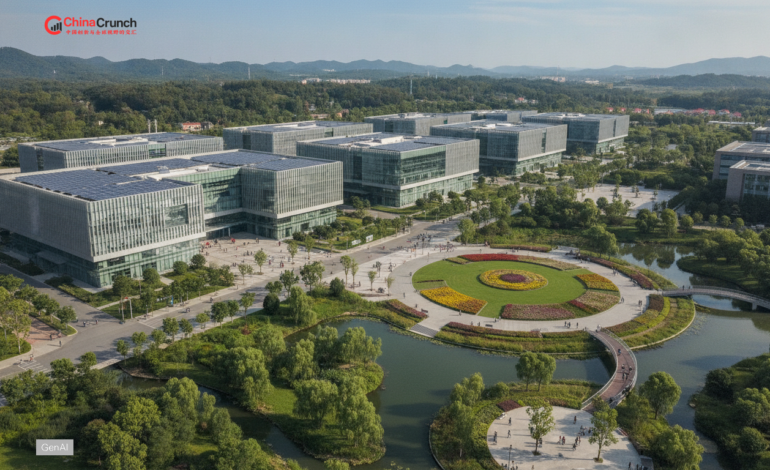
Nature Index rankings 2026: Zhejiang University takes No. 1
According to available reports, the Nature Index rankings for 2026 suggest that Zhejiang University may be placed at the top of a widely watched research table, a sign that China’s leading campuses are converting funding into publication results at scale. The update is being tracked by university leaders, grant makers, and industry partners because it can influence collaboration choices and talent recruitment. Nature Index says it measures institutional contributions to papers in a defined set of natural science and health science journals using author affiliations, making year to year movement notable at the very top of the list. If reflected in the index’s published tables, the Zhejiang result may also intensify scrutiny of how research systems translate investment into output.
Why the ranking shift matters for global research
This change matters beyond a single scoreboard because visibility in a high profile index can shape partnerships, graduate pipelines, and lab level networks across borders. Readers following regional coordination models can compare this momentum with CPEC energy projects drive Pakistan power build momentum, where large projects also reshape talent needs and institutional priorities. Nature Index states its tables are used to compare contributions to papers in its selected journals, and that helps decision makers interpret research strength alongside other indicators. As part of the broader Nature Index rankings conversation, readers in China are watching whether national and provincial research spending continues to translate into internationally recognised publication performance in strategic fields.
What drove Zhejiang’s rise in indexed output
Zhejiang University’s climb appears to reflect sustained publishing and collaboration patterns more than a single breakthrough. Nature Index explains that performance can be influenced by continued output in indexed journals and by co authored work that credits multiple affiliations, which can reward active international and domestic networks. For additional context on adjacent capabilities that can feed academic throughput, see Huawei chip design scaling law draws China EDA backing and China satellite launch tests fast broadband links in orbit, which illustrate how tooling and infrastructure can reinforce research pipelines. Zhejiang has expanded cross discipline programmes linking computing, engineering, and life sciences, areas that typically draw significant resources and produce frequent high impact papers.
How Zhejiang compares with Harvard and peers
The comparison with Harvard draws attention because it contrasts an institution with long standing global prestige against a Chinese university rapidly building research momentum. If the 2026 Nature Index rankings tables show Zhejiang ahead of Harvard, it could spotlight the scale and coordination of China’s research system in this cycle. Related capacity building themes, including Facing US chip curbs, China launches photonics lab to power AI with light, help explain why top tier lab output is accelerating. Harvard’s strength has often been anchored in biomedical science and dense networks of affiliated hospitals and institutes. Nature Index also emphasises that its metrics are not a complete proxy for teaching quality or social impact, but they do offer a consistent lens on publication contribution in selected journals.
What the 2026 rankings could mean next
Next steps will depend on how universities convert ranking visibility into durable collaboration, grants, and hiring, while navigating tighter export controls and data governance rules. Administrators in Europe and North America are reassessing joint labs and co supervision structures with Chinese counterparts as leading Chinese institutions offer competitive facilities and publication momentum. Zhejiang University’s reported 2026 position may also sharpen domestic competition as peer campuses pursue similar strategies and face pressure to show returns on major public investment. Nature Index notes the table should be read as one indicator among many, yet top placement could become influential in funding and recruitment decisions. The broader implication is a more multipolar research landscape driven by networks and sustained output.