C919 aircraft inspections: C-check milestone draws scrutiny
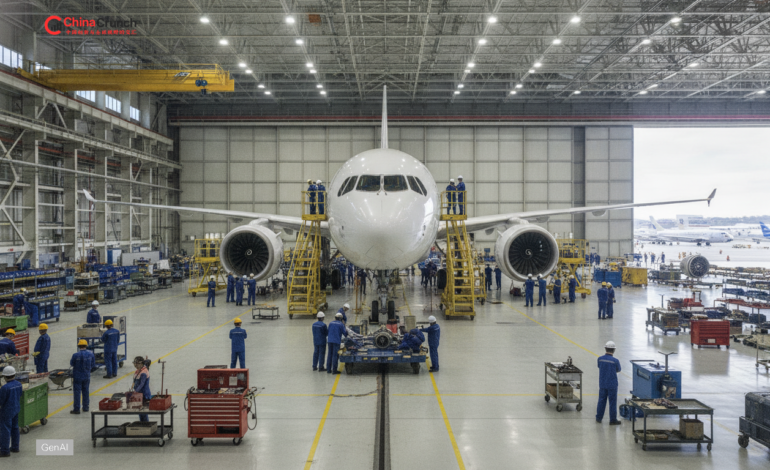
C919 aircraft inspections reach the first C-check phase
The earliest in service COMAC C919s are moving into the C-check stage, a scheduled heavy maintenance event that airlines treat as a major reliability gate. Reuters reported the earliest in service COMAC C919s have begun C-check work and that the process is being watched outside China. A C-check puts maintenance planning, tooling, and documentation under stress because the aircraft can remain on the ground for days. Operators also use the visit to incorporate service bulletins, review recurring defects from earlier checks, and verify parts traceability. C919 aircraft inspections at this milestone are a key market signal for dispatch reliability once the jet returns to service.
What a C-check tests in heavy maintenance records
A C-check typically requires broad access to structures, systems, and avionics, and it can surface corrosion, wiring wear, or hydraulic leaks that shorter checks may not reveal. In China aviation, operators must follow an approved maintenance program and retain auditable records for task cards, parts, and sign offs by authorized personnel. Reuters framed the C919’s entry into this cycle as a shift in scrutiny from early service performance to long interval upkeep. Strong outcomes also depend on calibrated equipment, trained engineers, and a dependable spares pipeline so aircraft are not parked awaiting components. At this level, C919 aircraft inspections therefore become a test of repeatability, not just workmanship.
How European regulators may evaluate C919 aircraft inspections
European regulators matter because any commercial expansion beyond the domestic market depends on confidence in continuing airworthiness practices and data quality. Reuters reported European authorities are watching how the first C-checks are executed, including the operator’s compliance culture and records. To contextualize how cross border regulatory dialogue can shape commercial expectations, see Sino-Pakistani Diplomacy and Its Role in US-China Relations. C919 aircraft inspections generate detailed evidence such as task card sign offs, non routine findings, and repair approvals that must be consistent and reviewable. Comparable attention to transparency and auditability appears in China tech regulation shifts to steadier, clearer oversight, where documentation standards influence confidence.
Industry impact: spares, repair capacity, and turnaround time
The C-check workload has immediate effects across the domestic supply chain because heavy maintenance draws in component vendors, repair shops, and engineering support in tight windows. Reuters described the first C919 C-checks as a test of maturity that includes whether airlines can return aircraft to service on schedule without compromising quality. The output is not only the physical maintenance, but also the documentation trail, including deferred defect clearance and parts replacement justifications, that can reveal bottlenecks in approvals, logistics, or specialist labor availability. For operators scaling fleets, consistent C-check turn times and repeatable findings rates become measurable indicators that maintenance capability is keeping pace with utilization. This is where C919 aircraft inspections intersect with broader industrial capacity planning for airlines operating the jet on domestic Chinese routes.
What comes next for C-check outcomes and external confidence
Next steps will be judged less by announcements than by operational outcomes after heavy checks, including dispatch reliability, repeat defect trends, and parts replacement patterns as more airframes reach similar intervals. Reuters reported observers are likely to keep monitoring early maintenance performance as the fleet accumulates hours and cycles. For readers tracking how Chinese technology brands are assessed overseas, World Cup spotlight on China technology brands abroad offers a separate example of scrutiny shifting from launch moments to sustained performance. Over time, the most persuasive evidence is consistent, auditable records across bases and teams, showing that the same standards are applied and deviations are corrected. C919 aircraft inspections may increasingly be evaluated as a data set, not a one-off milestone.