HKEX index business expands as AI reshapes trading
How AI is changing the HKEX index business
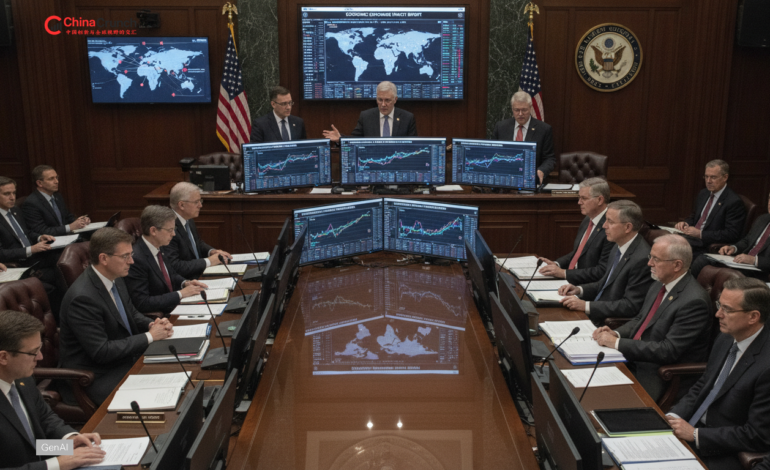
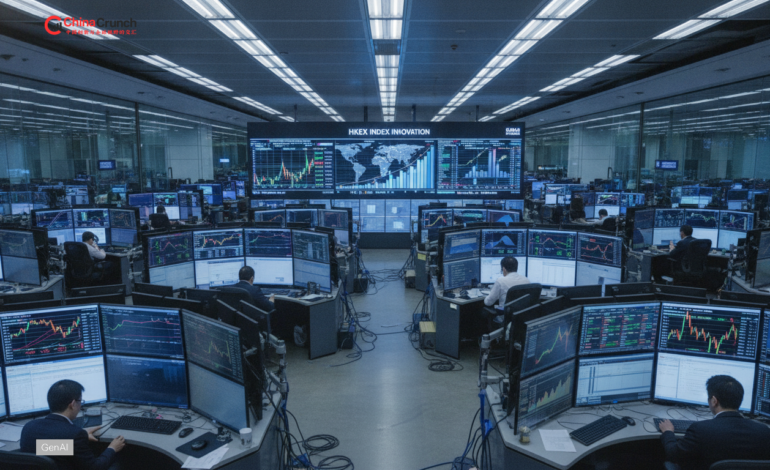
Market participants reportedly say AI-driven signals are speeding up how Hong Kong stocks are priced, rotated, and hedged. As more funds automate portfolio decisions, index definitions can help determine what gets bought, shorted, and tracked. That is why the HKEX index business is increasingly treated as a core part of keeping benchmarks investable and machine readable, rather than a side offering. When rules on free float, corporate actions, and rebalancing are consistent, systematic investors can generally replicate exposures with lower friction. Some market participants also argue that transparent methodology matters because even small index design choices can influence liquidity, turnover, and derivatives demand across the market.
New products and benchmark launches
HKEX has been building out its index franchise, aiming to meet demand for tradable benchmarks and related derivatives tied to sector and theme exposures. The exchange is reportedly trying to keep Hong Kong relevant as allocators rebalance toward technology and China linked innovation, and as passive and systematic approaches take a bigger share of flows, as described in media and industry commentary. In its coverage of the push, SCMP analysis on HKEX index push noted how exchange run benchmarks can support products beyond cash equities. For a broader read on model-driven markets, see Chinese A.I. Models Are Closing the Gap With Top Rivals, which is often cited in discussions about how quickly model capability is improving. A broader context is that Hong Kong’s listed ecosystem often pivots around large China-linked flows.
Governance and liquidity hurdles for HKEX benchmarks
Expanding an index franchise is as much a trust problem as a product problem. Asset managers generally want stable, rule-based methodologies that can be audited and that reduce the risk of ad hoc changes. Related market structure debates are active in Hong Kong, including SCMP coverage of IPO Connect hurdles, where implementation details shape outcomes. Liquidity also matters, because thin trading can raise tracking error and make ETF market making more expensive, which can reportedly undermine demand for new benchmarks, according to some in the ETF industry. The same principle applies to the HKEX index business, where governance, participation, and disclosure help determine credibility.
Data, analytics, and infrastructure to support index users
To serve quant funds and ETF issuers, HKEX also needs reliable data distribution and analytics that reflect real execution constraints, based on typical index user requirements. Index users depend on timely constituent updates, clear corporate actions processing, and consistent calendars so automated portfolio maintenance works as expected. Better feeds and tooling can reduce operational friction and widen adoption, especially for cross-border investors who need standardized datasets. These operational details become more important as strategies scale and as more orders are generated by models rather than humans, according to market participants. A related backdrop is the city’s tech linked trade cycle, covered in China Export Growth: AI Demand Boosts Hong Kong Exports, which connects AI demand to broader commercial flows.
What investors can expect next
The next opportunity for the HKEX index business is to deliver benchmarks that stay investable while reflecting where earnings and innovation are shifting, as index providers and exchange groups often position such products. That can mean managing concentration risk, accommodating new economy listings, and keeping rules transparent so tracking costs remain more predictable. If HKEX sustains a pipeline of credible themes, an expanded index suite could help support derivatives liquidity and broaden hedging options alongside cash trading, according to market participants who follow index-linked products. More broadly, AI adoption across China and Hong Kong continues to reshape corporate priorities, also reflected in Chinese AI firm DeepSeek ramps hiring for AGI drive. For investors, systematic products can reduce selection burden, but they may also concentrate risk in methodology decisions, so index rule clarity can become a pricing factor.