Hyundai China Bespoke EVs: Strategy, Specs, and Outlook
What Hyundai’s China-Specific EV Push Means in 2025
“Hyundai China bespoke EVs” refers to Hyundai tailoring electric vehicles for China with locally tuned software, features, pricing, and supply chains rather than exporting a single global-spec model. The approach reflects how quickly Chinese buyers can shift preferences around cockpit experiences, charging standards, and driver-assistance updates, based on ongoing market competition. Looking into 2025, the core question is whether Hyundai may shorten development cycles while potentially meeting China’s evolving regulatory and connectivity requirements and keeping costs competitive against domestic brands. Benchmarks to track may include battery warranty positioning, OTA update reliability, and infotainment localization for hyundai china bespoke evs. This strategy can also imply more localized sourcing, tighter supplier validation, and sensitivity to policy shifts that may affect components, data rules, and cross-border technology collaboration.
Product and Platform Choices Behind the Program
Delivering China-tailored EVs at scale depends on platform decisions, battery procurement, and software validation workflows that can pass audits and type approval. Automakers often use shared EV architectures to reduce per-unit costs and to support multiple body styles without rebuilding crash structures each time, a common industry practice. For more context on how policy scrutiny can shape market access and pricing, see Chinese electric vehicle imports europe: policy shift, which can frame how approvals and incentives change planning assumptions. Battery strategy is central: cell chemistry selection, pack design, and thermal management can influence range and warranty exposure, especially for high-usage urban fleets. These pressures can feed back into China product roadmaps and how bespoke variants are prioritized.
Localization: Software, Supply Chain, and Compliance
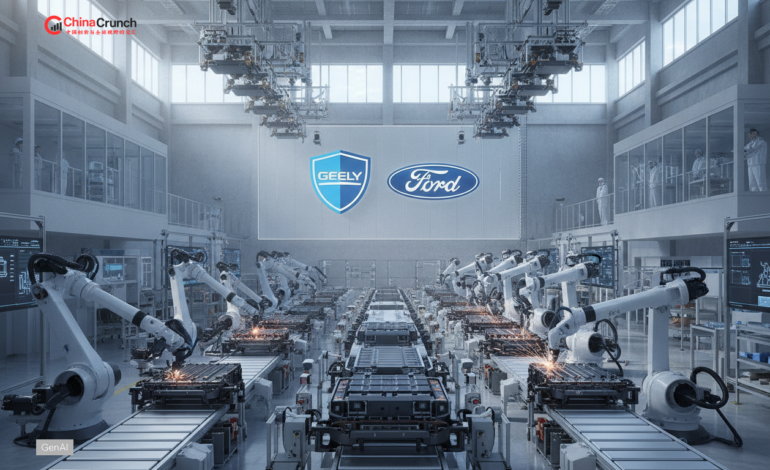
Localization for Hyundai’s China-focused EV lineup is not only about language packs; it can also involve cloud services, app ecosystems, mapping, and connectivity compliance, plus supplier quality at high utilization. To compare how other multinational programs handle rapid rollout and local production ramp, Ford and Geely: Spain EV Plant Joint Venture Details offers a reference on timelines, retraining, and compliance steps for a 2024-era factory buildout. Chinese EV leaders are widely seen as iterating infotainment and driver-assistance features rapidly, which can force a faster test-and-release rhythm for competitors as well. Supply-chain clustering may also compress lead times and support cost reductions for power electronics, harnesses, and interior modules, depending on supplier availability and qualification speed. Any Hyundai China bespoke EVs effort would also need to align execution with China-specific data and cybersecurity expectations, where requirements can change over time.
Competition, Pricing Pressure, and Global Spillovers
Competitive pressure in China’s EV market is often shaped by price adjustments, financing offers, battery warranties, and software features that are updated frequently, as reported across the sector. Domestic players can set expectations for advanced cockpits, fast charging, and aggressive trims that can be configured quickly. Outcomes in China may affect overseas strategy because successful feature packages can influence global lineups, while weaker performance could raise per-unit costs for shared platforms, depending on scale. For parallel signals in industrial strategy tied to components and supply security, China chip strategy: global ties amid export curbs highlights how export controls and local capability drives can cascade into automotive electronics planning. Trade policy is also a constraint, and debate around a china canada trade deal evs framework illustrates how governments weigh tariffs, industrial policy, and investment screening.
What to Watch Next
Near-term milestones to watch include faster model refresh cycles, stable software update delivery, and a competitive bill of materials without quality slippage. Outcomes can be evaluated through product launches, customer feedback, and service performance. Investors and buyers may look for signs that Hyundai can secure reliable local suppliers, keep battery degradation within stated warranty targets, and maintain consistent service networks in major cities such as Shanghai and Shenzhen. Regulatory risk remains, particularly for connected services and cross-border data handling, and compliance costs can change if standards tighten. A key indicator will be whether China-specific trims and feature sets can be sustained without fragmenting production and inventory management. If execution holds, the Hyundai China bespoke EVs approach could inform other regional programs; if not, it may remain a limited experiment under intense domestic rivalry.