DeepSeek Targets Shanghai Star Market Listing Amid AI Market Adjustments
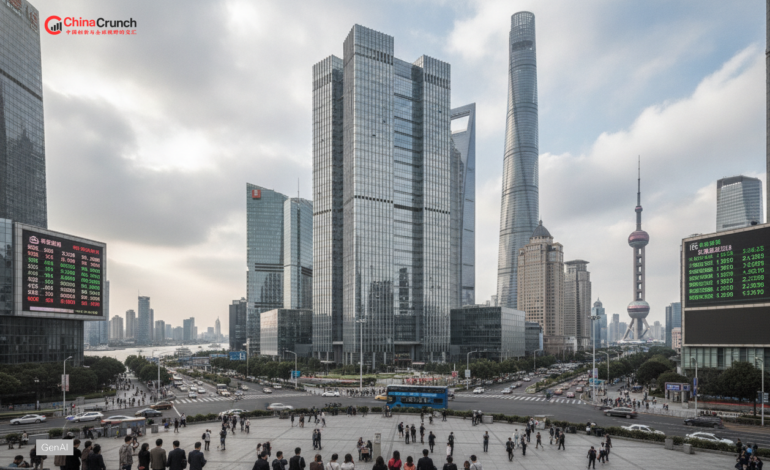
DeepSeek IPO outlook for the Shanghai Star market
According to available reports, DeepSeek may be advancing preparations for a domestic initial public offering that would likely target the Shanghai Star market, a venue built for technology issuers. The work described so far is pre-filing, with advisers focusing on governance, disclosure readiness, and documentation typically needed before a formal submission. Reporting by the South China Morning Post indicated that the company had tapped underwriters, suggesting that early-stage structuring and compliance mapping may be underway even without a public timetable. For investors, a key question is how quickly DeepSeek can convert its AI narrative into audited financial statements, clear risk factors, and an equity story that fits Star Market review expectations.
Underwriters and Citic Securities join the process
A notable signal is the participation of large mainland investment banks, including Citic Securities, which frequently leads domestic equity deals. The macro backdrop also matters because export-linked earnings and funding sentiment can sway tech multiples; see https://cheenews.com/china-export-growth-outlook-2026-high-tech-and-ai/ for context on high-tech and AI expectations. According to https://www.scmp.com/tech/tech-trends/article/3366948/chinese-ai-firm-deepseek-taps-underwriters-including-citic-securities-ipo-sources?utm_source=rss_feed, the underwriting engagement suggests intent to pursue China’s onshore listing route rather than an offshore alternative. DeepSeek has not publicly confirmed the final syndicate or a filing date.
Why the Shanghai Star market matters for AI disclosure
Choosing the Shanghai Star market can shape what DeepSeek must explain about revenue sources, research intensity, customer concentration, and data handling controls. For AI companies, the review lens often extends beyond standard financial disclosure into security practices, model governance, and how content risks are managed across products. For the Shanghai Star market, that review lens can also influence how issuers sequence their disclosure work. That environment has been tightening, and recent legal and policy discussions have emphasized clearer boundaries around synthetic content and misuse. A useful reference point is https://chinacrunch.com/china-ai-regulation-court-draws-red-lines-on-deepfakes/, which highlights how enforcement expectations can influence what issuers must document. For DeepSeek, aligning internal audit trails and compliance processes with these expectations may affect review speed and investor confidence.
Investor checkpoints: valuations, peers, and adoption signals
With underwriters in place, market participants will watch for how DeepSeek frames peer comparisons, unit economics, and the path from research spending to monetization. Investors will also compare DeepSeek’s story to broader enterprise adoption signals across China’s tech sector, and the South China Morning Post reported on AI deployment into mainstream workflows via https://www.scmp.com/tech/big-tech/article/3366919/alibaba-sends-ai-digital-employees-work-rival-apps-bytedance-tencent?utm_source=rss_feed. A domestic IPO can reset benchmarks for private market holders by forcing more frequent disclosure on costs, customer acquisition, and commercialization progress. On the policy side, global transparency and safety debates can also affect how investors price AI risk; see https://chinacrunch.com/openai-gpt-6-astra-transparency-debate-and-safety-risks/.
Next steps and timing signals to watch
According to indications, the next milestone may involve evidence of a formal submission pathway, including audited statements, prospectus level risk disclosure, and a governance package that can withstand regulator questions. If DeepSeek proceeds toward the Shanghai Star market, investors will likely focus on how recurring demand is demonstrated, how R and D intensity is explained, and how data security and model safety controls are implemented in operations, with Shanghai-based regulator questions often centering on disclosure consistency. The involvement of established banks can help standardize messaging and improve execution credibility, but it does not remove scrutiny of compliance readiness. Until DeepSeek publishes a draft prospectus or an exchange filing appears, the most reliable signals will come from adviser activity, regulator commentary, and any confirmed updates from the company.