China Moves to Shield Pandemic Era Small Loan Defaults to Help Households Rebuild Credit
A Targeted Policy to Repair Household Finances
China has introduced a new credit rehabilitation policy aimed at easing the financial burden on individuals who fell behind on small loans during the Covid 19 pandemic. The initiative reflects a broader effort by policymakers to stabilise household balance sheets and support economic recovery at a time when consumer confidence remains fragile. By softening the long term consequences of minor defaults, authorities hope to encourage repayment while giving borrowers a fresh start.
Central Bank Steps In with Credit Relief
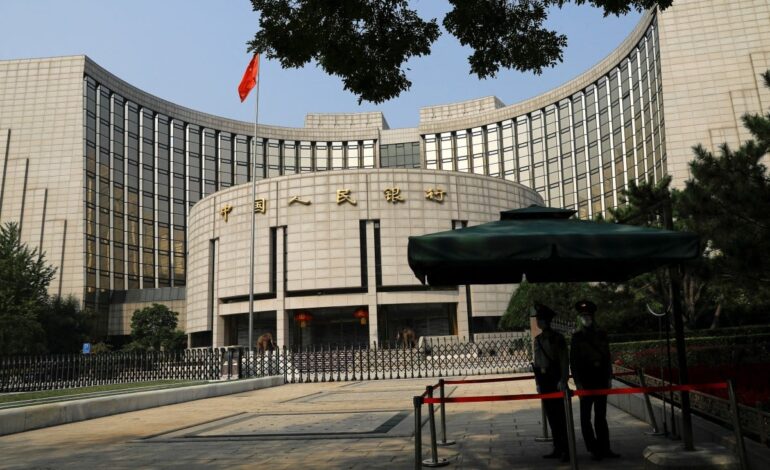
The policy was announced by the People’s Bank of China, which said it would allow certain negative credit records to be hidden rather than permanently removed. The measure applies to borrowers who incurred a single instance of overdue debt between 2020 and 2025, provided the outstanding amount does not exceed ten thousand yuan. If eligible borrowers fully repay the loan by March thirty one, the default record will no longer be visible on their credit reports.
Who Qualifies for the New Measure
The scope of the policy is deliberately narrow. It targets individuals with only one overdue record rather than repeat defaulters, signalling that the goal is rehabilitation rather than leniency across the board. The focus on relatively small loan amounts highlights the central bank’s intention to support everyday consumers rather than larger speculative borrowers. These loans often relate to short term consumption needs such as medical expenses rent or daily living costs that became difficult to manage during the pandemic.
Addressing the Pandemic’s Lingering Impact
According to the central bank, the policy is designed specifically for borrowers whose financial difficulties were linked to the Covid 19 shock. Many households experienced sudden income disruptions during lockdowns and business closures, leading to missed repayments that continued to affect credit scores long after economic activity resumed. By allowing these records to be hidden once debts are cleared, policymakers are acknowledging that pandemic related defaults were often circumstantial rather than structural.
Encouraging Repayment Over Punishment
Rather than writing off debt, the policy incentivises repayment. Borrowers must still repay their overdue loans in full to benefit from the credit relief. This approach balances compassion with financial discipline. It offers a clear motivation for borrowers to settle outstanding obligations while avoiding the long term stigma that can restrict access to future credit housing or employment opportunities.
Supporting Consumption and Economic Growth
From a macroeconomic perspective, the move aligns with efforts to revive domestic consumption. Clean or improved credit records make it easier for individuals to access financial services such as consumer loans mortgages or credit cards. By restoring borrowing capacity for millions of small scale borrowers, authorities aim to unlock pent up demand and strengthen the role of households in driving growth.
Part of a Broader Financial Repair Strategy
The measure fits into a wider policy framework focused on post pandemic recovery. Alongside targeted fiscal support and looser monetary conditions, credit rehabilitation is emerging as a tool to address the hidden scars left by years of disruption. Rather than relying solely on stimulus, regulators are increasingly focused on repairing financial transmission channels at the household level.
Cautious Design to Limit Moral Hazard
Importantly, the policy is structured to avoid encouraging irresponsible borrowing. By limiting eligibility to a single overdue incident and capping the loan size, the central bank has drawn a clear boundary. Borrowers who repeatedly default or carry larger debts remain subject to standard credit reporting rules. This design helps preserve the integrity of the credit system while offering relief where it is most justified.
A Signal of Policy Sensitivity
The decision to hide rather than erase records reflects a nuanced approach to regulation. It allows financial institutions to retain internal information while giving borrowers practical relief in external credit assessments. For affected individuals, the change could mark a turning point after years of financial stress.
As China continues to navigate the pandemic’s economic legacy, this targeted credit policy underscores a shift toward more people focused financial management. By combining repayment incentives with second chances, authorities are attempting to restore trust between households and the financial system.