Alibaba, Honor and the Rise of AI-Powered Devices
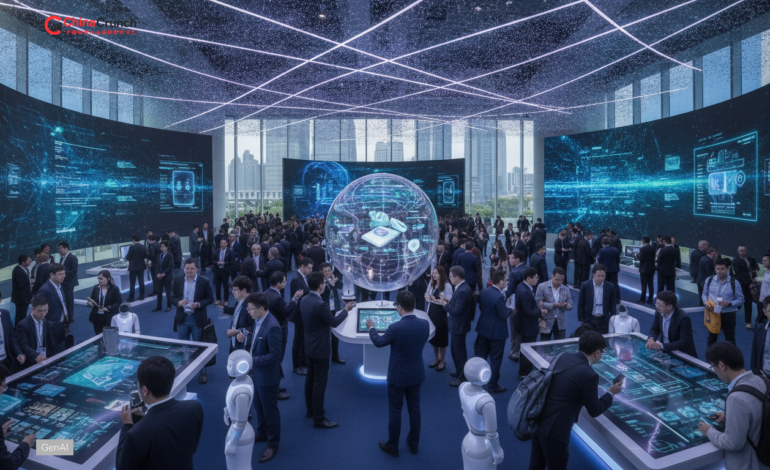
Alibaba and Honor Partnership for AI-Powered Devices
Alibaba is formalising deeper cooperation with smartphone maker Honor as both sides push innovative features onto consumer hardware in China. The aim is to integrate AI-powered devices smoothly into everyday tasks such as scheduling, search, shopping, and payments, rather than merely as standalone chat apps. According to reports by the South China Morning Post, the companies plan to merge Alibaba’s models and cloud tooling with Honor’s handset and operating system integration to expedite product cycles and distribution. Honor stands to gain from access to Alibaba’s developer ecosystem and commerce scenarios. The partnership is part of a broader competition focused on engineering across models, operating systems, and app permissions that users can control.
China Market Signals and Supply Constraints
China’s handset market is crowded with vendors promising device intelligence, but what distinguishes them is the ability of assistants to execute multi-step actions reliably across apps. StepFun has amplified expectations after reportedly unveiling an AI smartphone, adding to comparisons between new entrants and established brands. An example of how deployment could be influenced by hardware access is H200 chip shipments to China begin under US rules: Reuters, as computing power availability and component supply are limiting factors for premium experiences, especially when workloads oscillate between device and cloud. In this environment, Alibaba and Honor require both compelling software and sustainable capacity for inference.
What WAIC Demos Could Show for AI-Powered Devices
Attention is turning to WAIC in Shanghai as a space where companies usually showcase practical workflows rather than model benchmarks. Alibaba and Honor will be evaluated on whether an assistant can transition from intent to completion within familiar mobile contexts, such as messaging, maps, and commerce, without confusing permissions or stalling on latency. For context on WAIC and scheduling, see World AI Conference: Xi Jinping to Attend in Shanghai, as observers compare the pair’s demos with claims from StepFun and other phone makers that are positioning handsets as agentic hubs. The South China Morning Post highlights the trend toward “agentic devices,” which suggests autonomy under user constraints, not unrestricted automation. AI-powered devices will likely be judged on their ability to minimize friction in common tasks rather than adding complexity.
Regulation, Safety, and Handset Engineering Limits
Despite strong branding, the more challenging task is aligning model behaviors with handset realities such as battery limits, thermal constraints, and network inconsistencies. These governance and engineering issues are increasingly discussed alongside benchmarks in policy reports such as China sets AI safety benchmark for frontier models, as China’s regulators are tightening expectations around safety and transparency, which influences what assistants can do and how decisions are logged. Developers face another challenge as agentic features require standardized interfaces for calendars, payments, and third-party apps, along with clear user consent flows. If these controls are ineffective, AI-powered devices risk becoming noisy demos rather than reliable tools.
What the Partnership Means Next for Consumers
The partnership indicates that China’s upcoming wave of consumer hardware will be shaped by alliances between model providers, cloud platforms, and device makers, rather than single-company solutions. If Alibaba succeeds in translating its commerce, payments, and content ecosystems into consistent assistant actions, Honor gains experiences that are tough to replicate with generic model access. The most valuable outcomes will be evident in retention and transaction conversion, not just headline features. AI-powered devices might extend beyond phones to wearables, cars, and home terminals as vendors seek more interaction opportunities for assistants. In forthcoming product cycles, successful firms will be those that make automation predictable, compliant, fast enough to seem seamless, while maintaining user control and auditability.