China influencer tragedy sparks debate after fatal crash
China influencer tragedy: what the video showed
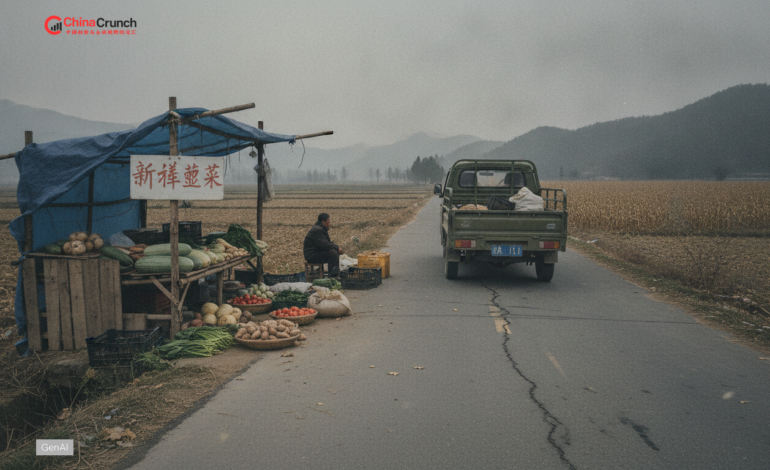
The China influencer tragedy began with a short rural-life clip in which a Chinese influencer shared a simple lunch with a Henan farmer he met while filming. As the clip circulated through fan groups and reposts, viewers noted how quickly an ordinary person can be pulled into public attention without expecting it. The encounter appeared cordial, with the farmer briefly speaking on camera about his daily work and family. The influencer later posted condolences and urged followers not to contact or harass the farmer’s relatives, while commenters asked whether filming a private citizen requires clearer consent and safeguards.
Timeline of events leading to the fatal crash
According to available reports, as summarized by South China Morning Post, the farmer died in a road collision later the same day as the lunch video. As discussion spread, unrelated national news also traveled in the same feeds, including SCMP analysis on US and Europe politics, highlighting how quickly viral timelines can blend separate stories. Online users rapidly stitched together the two events into a single narrative, even though publicly verifiable details were limited to what the influencer and local contacts shared. The family asked for privacy, and the influencer said he would cooperate if any official inquiries were opened.
Social media reaction and online responsibility
On Chinese social media platforms, grief posts mixed with anger as users argued over whether the creator held any moral responsibility for filming the farmer and amplifying his visibility. Some users contrasted how quickly attention shifts by sharing China oil imports climb as Middle East buying rises in the same threads, arguing that virality does not equal accountability. Others countered that a crash is primarily a road safety matter unless authorities identify a direct causal link to the filming or the posting. Moderators reportedly removed posts that contained personal information about relatives, while many accounts called for restraint and warned against doxxing.
How influencer culture can expose private citizens
The episode underscored how influencer-driven platforms can place private citizens into mass visibility within hours, particularly when content emphasizes kindness, rural hardship, or emotional storytelling. In discussions of the China influencer tragedy, creators in adjacent niches said they were reassessing consent practices and avoiding identifiable family details in follow-up posts. Media researchers have long noted that short-video algorithms reward engagement, which can intensify backlash after sudden loss even when wrongdoing is unproven. Broader debates about platform governance also surfaced alongside technology coverage such as China 6G smart city projects, pilots, and hurdles, as commenters linked digital reach to real-world consequences.
Safety and consent steps discussed after the incident
Public calls for practical guardrails focused on reducing harm after viral encounters: stronger consent checks, delayed posting when someone is identifiable, and faster comment moderation once bad news breaks. Legal commentators pointed to privacy protections in China’s Civil Code in general terms and suggested removing footage if families object, emphasizing that grieving relatives should not be further amplified. Road safety advocates stressed that preventing deaths requires enforcement and safer infrastructure, not only online reforms, and urged any investigation to stay centered on crash causes. Creators also discussed adding on-screen reminders that featured individuals are not public figures, aiming to curb harassment in Henan.