China tech overproduction dispute hits EV exports
What China tech overproduction claims mean for EV trade
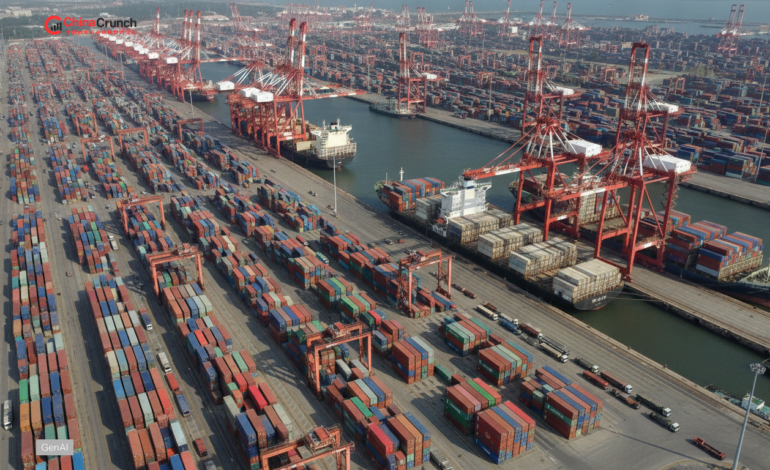
Policymakers in the US and Europe argue that Chinese exports could distort markets and threaten domestic jobs, with China tech overproduction now a headline charge in Western debates about electric vehicles and batteries, as indicated by public remarks and policy documents. Brussels and Washington have paired that narrative with tougher scrutiny of subsidies and industrial policy, with officials arguing that price gaps can reflect state backing rather than efficiency. Beijing rejects that framing and, in statements from Chinese ministries, argues the dispute is more about market access, standards, and who sets the rules for the next generation of supply chains. Chinese ministries have described the rhetoric as a negotiating position tied to tariffs and investigations, and they argue that product segments and demand conditions vary widely across regions.
Western allegations and investigations into overcapacity
European and US policymakers have increasingly treated the overcapacity argument as a proxy for a broader industrial competition story that extends beyond cars, as indicated by their public statements and ongoing trade-policy actions. The argument often links rising EV exports with state support and with concerns that domestic factories in importing countries could lose share, as officials have said. Chinese officials counter, in official remarks, that many categories are global markets and should be assessed against worldwide supply and demand rather than a single jurisdiction. They also warn that broad restrictions could raise consumer prices and slow emissions goals tied to transport electrification, according to statements from Chinese ministries. The dispute has become more procedural as well, as governments debate how to define subsidies, transparency, and procurement rules during investigations.
Analyzing China’s Response to Dumping Accusations
Chinese manufacturers and policymakers argue that the export surge reflects scale, supply chain clustering, and fast product cycles rather than a plan to dump inventory, according to their public comments. Officials also state that demand for lower-priced models and components remains strong in multiple regions, particularly where charging networks and fleet electrification are still expanding, though these conditions vary by market. Beijing sometimes links these supply chains to energy and infrastructure diplomacy, as discussed in China-Pakistan Economic Corridor: economic and local dynamics. Companies add that price competition is shaped by technology learning curves in batteries and electronics, as industry executives and analysts often argue. Related pricing pressure is visible in adjacent categories, including AI services, as described in AI for less: price war in China deepens amid intense competition as described.
Market impact beyond EVs as the dispute spreads
The oversupply fight is spilling into adjacent technology categories because many of the same factories and suppliers serve sensors, power electronics, and automotive-grade chips, according to analysts who track the sector. South China Morning Post reporting describes how smart driving chips have become a strategic lever among Chinese EV brands in smart-driving chips: the weapon of choice in China’s EV tech war. Analysts also watch how EV pricing pressure intersects with competition in smart driving, where the product roadmap can matter as much as unit volumes. In this environment, accusations around China tech overproduction can influence procurement rules and capital spending decisions beyond the car sector, as companies and advisers often note. That potential ripple effect is why multinational suppliers monitor regulatory signals alongside quarterly sales and pricing data.
China’s policy response and outlook for the debate
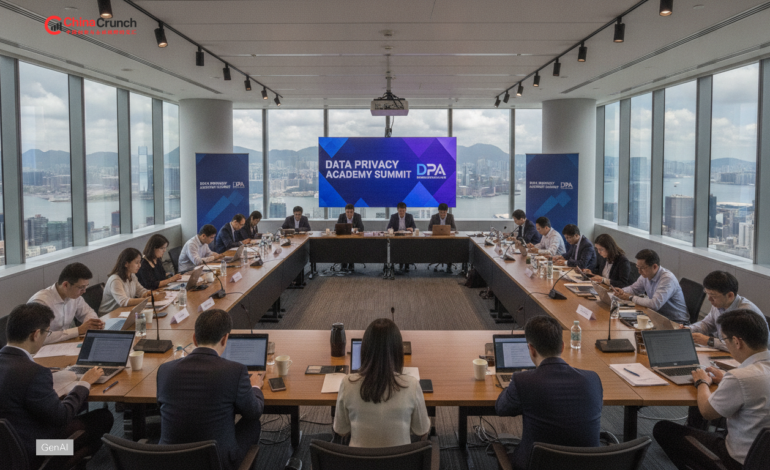
Chinese authorities are leaning on trade-law language and macro indicators to rebut the overcapacity charge and portray Western measures as protectionist, as indicated by public statements by relevant agencies. Regulators are also promoting standards and compliance capacity intended to travel with exports, including privacy governance, reflected in Hong Kong Data Privacy Academy Launch Builds Talent. The Ministry of Commerce and the Ministry of Foreign Affairs have argued publicly that restrictions can harm consumers and slow decarbonization, while competitive firms should not be penalized for productivity gains. Looking ahead, firms are reportedly adjusting model mixes, considering local assembly, and negotiating sourcing to reduce tariff exposure. China tech overproduction may remain a political label, but it could fade if pricing stabilizes and overseas investment rises, depending on policy decisions in importing markets.