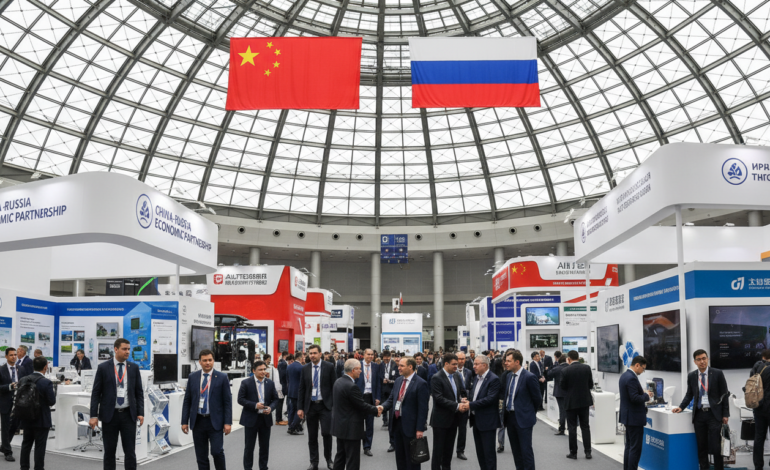
China Telecom rolls out AI token billing packages

Understanding the AI Token Billing Model
China Telecom is moving fast to productize generative AI usage as a metered service rather than a flat add on. Executives framing the shift say customers want predictable charges tied to actual model consumption, not vague bundles. In the middle of these launches, AI token billing is positioned as a unit price for prompts, images, or workflow calls that pass through carrier partnered models. Today, operators can publish a simple tariff, then settle compute and model fees with suppliers behind the scenes. Live pricing tables also let carriers adjust promotions without rewriting contracts. The immediate result is a bill that looks more like cloud consumption than a phone plan.
Target Audience for AI Token Packages
The first buyers are expected to be heavy users of consumer chat and creation tools who already understand pay per use pricing in apps. South China Morning Post described the shift in China Telecom and peers moving to sell token packages rather than cellular data, as detailed in SCMP coverage of telecom AI token plans. China Telecom is also steering enterprises and small firms toward AI consumer packages that can be shared across staff logins under one account. Today, sales teams are pitching a Live view of remaining tokens inside carrier apps, with an Update cadence that mirrors data usage alerts. That dashboard is designed to reduce billing disputes.
Implications for the Telecom Industry
For carriers, the bigger point is margin defense as core connectivity becomes harder to differentiate in big cities. AI monetization gives them a way to package identity, payments, and customer support alongside model access, then price it with measurable usage. The sector is also using the moment to cross sell macro narratives that keep investors focused on consumption and trade, including China April Exports Surge, Surplus Widens Further as a reminder that domestic demand and services growth matter in policy debates. Live billing instrumentation can lower churn by making add ons feel transparent. An Update cycle tied to monthly invoices also gives carriers a new reason to keep users inside their apps instead of third party AI tools.
Comparisons to Traditional Data Plans
Traditional mobile plans price network capacity, while tokens price compute and inference that can spike with one long session. The practical difference is that a video stream consumes bandwidth steadily, but a complex prompt can trigger multiple model calls and higher back end costs. To explain this, carriers are using app based meters similar to data counters, but with token burn charts and alerts. A related marker is how AI becomes a primary driver in adjacent tech businesses, echoed in Baidu results highlight strong growth in core units and the way revenue narratives shift toward model services. Today, carriers want Live visibility into unit economics, and Update their tariffs when model providers change pricing.
Future of AI Monetization in China
The next phase is likely to standardize how tokens map to tasks so consumers can compare plans across providers without reading technical fine print. Regulators and industry groups may also push clearer disclosures about what counts as a tokenized action, especially when a single user request triggers background tool use. In that environment, AI token billing becomes a competitive lever for customer trust because it can either feel like fair metering or like opaque microcharging. China Telecom is expected to keep bundling tokens with device financing, cloud storage, and security add ons as it tries to own the distribution channel in China. Live app notices and an Update trail on receipts will matter as much as model quality. The companies that win will make pricing legible while keeping costs predictable.