Chinese inverters ban talk rattles US power firms
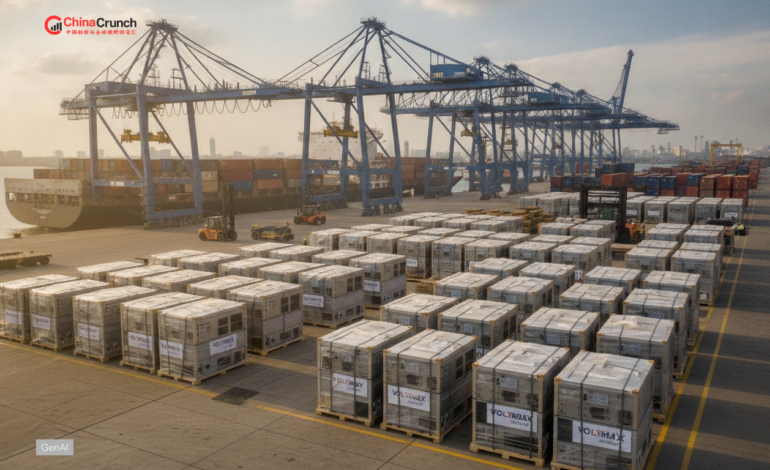
Chinese inverters ban proposal: what the US is weighing
Discussions in Washington about potential restrictions on foreign-made power inverters are rattling power firms that rely on imported equipment to connect solar and storage systems to the grid. Policymakers are weighing tighter rules for inverters, framing the issue around cybersecurity and supply chain control, according to industry participants and policy watchers. In recent industry briefings, some attendees said regulators have asked companies to map where hardware components and firmware originate, and to document update pathways and remote management features. Executives warn that a proposed Chinese inverters ban or similar restrictions could spill into procurement rules for utilities and developers, potentially affecting projects already in interconnection queues in 2025 and 2026. Firms are accelerating compliance reviews and revisiting vendor contracts. On the federal side, officials have generally described the focus as risk management for critical grid components rather than blanket prohibitions, though specific policy outcomes remain uncertain.
Supply chain reality and current dependence on Chinese inverters
Developers and engineering firms say procurement realities make a rapid switch difficult because inverter supply is tied to long qualification cycles, field performance testing, and utility acceptance requirements. Trade groups have warned in public comments that sudden restrictions could reduce the number of available models and extend commissioning timelines for utility-scale solar projects. In 2024 and 2025, project developers have increasingly structured contracts around delivery windows and liquidated damages, which can amplify the impact of any supply disruption, according to industry representatives. A related policy and industry overview appears in US weighs ban on Chinese inverters as industry warns. Industry context on trade exposure is also discussed in Pakistan energy projects backed by Chinese capital, where equipment financing and sourcing shape build schedules. Firms say they can diversify suppliers, but only with phased lead times and clear technical standards.
How restrictions could hit costs, timelines, and jobs
- Manufacturers and installers argue the biggest near-term impact would be cost inflation and project delays rather than immediate growth in new domestic capacity, according to industry participants.
- Supply disruptions can ripple into construction backlogs, affecting contractors, transformer and switchgear schedules, and grid upgrade timelines.
- If a Chinese inverters ban is implemented quickly, developers fear change orders and re-engineering work could increase balance-of-system costs and delay commercial operation dates.
- Certification bottlenecks could impact smaller EPC firms hardest due to price volatility and lack of long-term inventory leverage.
While the US power industry wants resilient supply chains, participants say a measured transition would better protect jobs, financing assumptions, and commitments already made.
Security debate: audits, firmware control, and enforcement
Industry insiders are split between security-focused advocates and developers worried about execution risk and uneven enforcement. Former regulators and grid security specialists argue that inverter communications features should be audited more aggressively, including firmware update signing, remote management tools, and default network configurations, with requirements that are vendor-neutral. For comparison on how Hong Kong-based firms discuss security incidents and disclosure, see Shun Hing Group cyberattack affecting 1 million people. Others counter that a country-specific inverter ban could be less effective than targeted controls because risk depends on configuration, segmentation, monitoring, and incident response maturity rather than labels alone. Companies are asking for transparent benchmarks, predictable enforcement timelines, and clear documentation standards to avoid retroactive penalties if rules change mid-project.
What comes next for US-China tech trade and compliance
The inverter debate is landing amid a wider reassessment of China tech exports into US infrastructure, where policymakers want verifiable assurances on hardware provenance and software control, as noted by trade attorneys and industry groups. Trade lawyers note that any restrictions could shape contracting language, warranty terms, and data access clauses for years, even if rules start narrowly. Negotiators and business groups are watching whether standards-based approaches could allow compliance paths such as third-party code review, secure update signing, and US-hosted management platforms. Companies are budgeting for audits, documentation retention, and multi-supplier qualification so projects can proceed even if procurement rules tighten during 2025 and 2026. Some executives say an abrupt Chinese inverters ban could harden decoupling dynamics, while a requirements-driven regime could preserve competition and keep renewable energy build-outs on schedule.