China Tightens Export Controls and Supply Chain Safeguards as Key Economic Shield for 2026
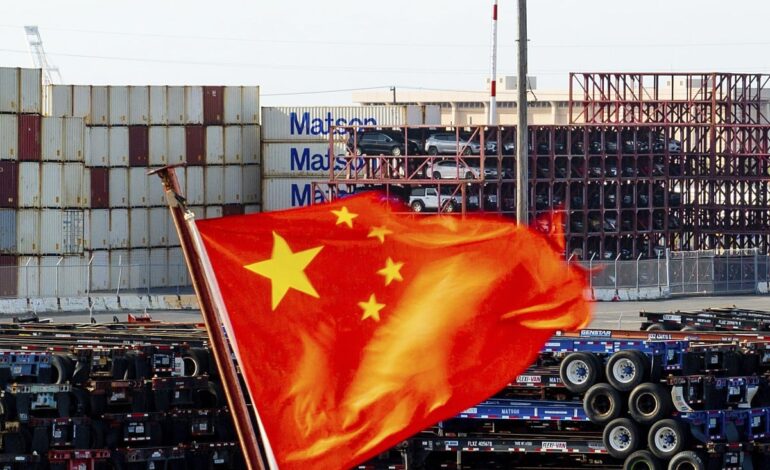
China has placed stronger export control rules and supply chain security at the centre of its economic strategy for 2026, as policymakers seek to protect national interests amid intensifying geopolitical tensions and external pressure. The renewed focus reflects Beijing’s assessment that economic resilience is now inseparable from national security in a more fragmented global trading environment.
The policy direction was outlined by the Ministry of Commerce following its annual work conference in Beijing. In a statement released on Sunday, the ministry said it would enhance legal frameworks, improve risk prevention mechanisms and further tighten what it described as the “safety net for opening up”. These measures were listed among eight core priorities for the year ahead.
Officials signalled that export controls will play a more prominent role in managing strategic risks, particularly in sectors linked to advanced manufacturing, critical technologies and key raw materials. While China has long promoted openness to global trade and investment, recent years have seen a shift toward balancing openness with stronger safeguards against disruptions and external leverage.
Supply chain resilience has become an especially urgent concern for policymakers. Trade disputes, sanctions and technology restrictions imposed by other countries have exposed vulnerabilities in areas such as semiconductors, energy equipment and industrial components. By strengthening oversight and control mechanisms, Beijing aims to reduce the risk of sudden supply interruptions that could ripple through the broader economy.
The ministry said improving the legal basis for export controls would help ensure predictability and consistency, both for domestic companies and foreign partners. Clearer rules are also intended to prevent sensitive technologies and materials from being diverted in ways that could undermine China’s strategic interests, while still allowing legitimate trade to continue.
Risk prevention was another key theme highlighted at the conference. Officials stressed the need for early warning systems and better coordination across government departments to identify potential threats to supply chains. This includes monitoring global market developments, geopolitical shifts and changes in foreign trade policy that could affect China’s access to overseas markets or critical inputs.
The emphasis on tightening the “safety net for opening up” suggests that China does not intend to retreat from global integration, but rather to manage it more carefully. Analysts note that Beijing is increasingly focused on selective openness, encouraging trade and investment in areas that support long term development goals while exercising greater caution in sensitive sectors.
This approach aligns with broader policy themes seen in recent years, including the push for technological self reliance and high quality growth. Rather than maximising speed or scale, policymakers are prioritising stability, security and sustainability as guiding principles for economic management.
For businesses, the shift may bring both challenges and clarity. Companies operating in regulated sectors could face more stringent compliance requirements, while those aligned with national priorities may benefit from clearer policy support. Foreign firms are also likely to watch closely how export control rules are implemented in practice, as predictability will be critical for maintaining confidence.
Internationally, China’s move mirrors a wider global trend. Many major economies are tightening export controls and reassessing supply chain dependencies as strategic competition intensifies. Beijing’s message is that it will actively defend its economic interests rather than rely solely on market forces.
As 2026 approaches, China’s leadership appears determined to build a more resilient economic framework. By reinforcing export controls and safeguarding supply chains, policymakers aim to shield the economy from external shocks while maintaining a controlled but continued engagement with the global system.