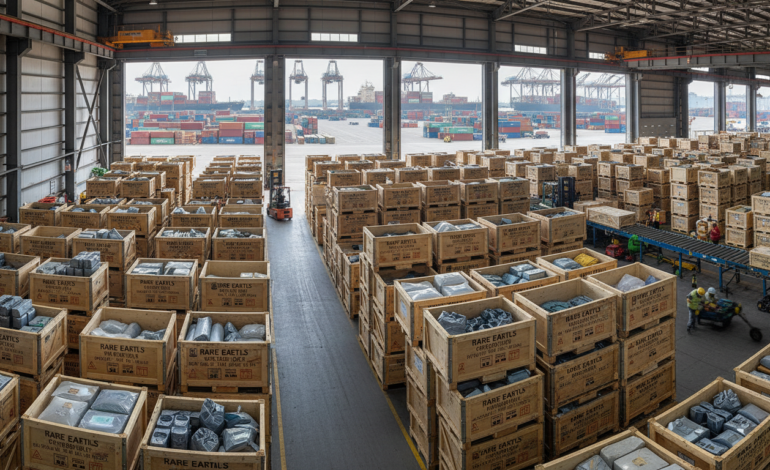
Tariff Ceiling Pledge Shapes China-US Trade Talks
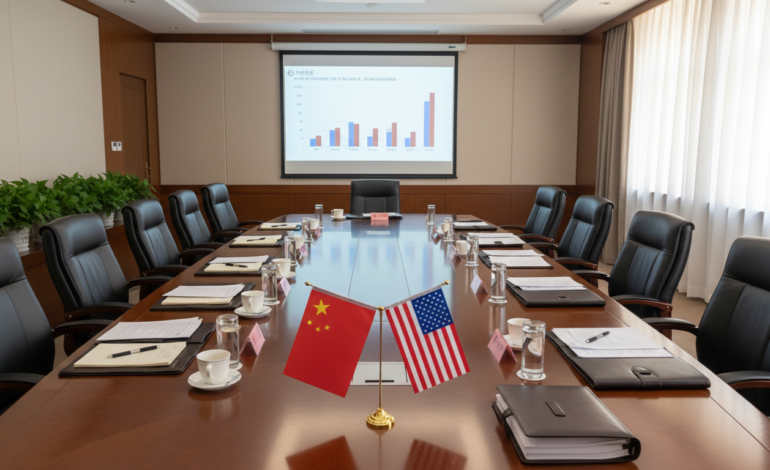
China and US Discuss Trade Framework
Officials in Beijing framed the latest round of bilateral engagement as a working-level effort to keep frictions contained while talks continue. Today, China’s commerce authorities described the session as focused on enforceable guardrails rather than broad resets, and they stressed clearer channels for escalation control. In the middle of the briefing, China-US trade talks were cited as a venue to align expectations on timing, scope, and verification of tariff-related commitments. Live market pricing moved quickly after the comments, reflecting sensitivity to any hint of predictability for exporters and importers. An Update from Chinese officials emphasized that both sides are trying to keep dialogues technical, with fewer political signals and more operational detail.
Details of the Tariff Ceiling Commitment
Beijing said Washington committed to a tariff ceiling as part of the discussion, presenting it as a constraint intended to reduce surprise policy swings. Today, the commerce briefing did not publish a number, but it described the concept as a cap on additional tariff increases during a defined period, with consultation as a condition for changes. The same Update referenced follow-up meetings and working contacts across agencies to compare product coverage and compliance language, and for related regional context, readers tracking diplomacy alongside economics can see China urges US-Iran talks as Hormuz risk rises in a separate development. Live reactions in supply-chain circles centered on whether a ceiling would be durable across domestic review cycles.
Implications for Future Trade Relations
For firms, the immediate question is whether a ceiling creates planning certainty without freezing disputes, and the answer depends on how trade policy is administered in practice. Today, procurement teams and logistics operators said the key is not only the rate level but also the notice period and the ability to contest classifications, a point echoed by business associations in public statements. In the middle of the debate, China-US trade talks were framed by Chinese officials as a way to narrow the range of outcomes, not to eliminate competition. An Update from the same briefing suggested the two sides want more predictable sequencing for reviews and exemptions, even while keeping leverage. Live pricing in some contracted orders tends to reflect such procedural risk more than headline tariffs.
Expert Opinions on Managed Competition
Analysts described the approach as managed competition, meaning rivalry is acknowledged but bounded by process that reduces cascading retaliation. Today, several economists writing in mainstream outlets argued that caps and consultation mechanisms can lower volatility even when strategic distrust persists, provided agencies publish consistent guidance. In the middle of that argument, one comparison pointed to broader governance issues in complex systems where predictability matters, as illustrated by South China Morning Post coverage of industry adoption and regulation at HKIC and Hong Kong construction transformation. For a separate angle on geopolitical context, Putin in Beijing signals shifts in global power outlines the environment that policymakers must weigh. A Live focus for investors is whether rule-like constraints survive leadership and legal challenges.
Next Steps in Sino-US Economic Relations
Near-term, Beijing signaled that technical teams will continue to map categories where the ceiling would apply, and it emphasized documentation that can be audited across administrations. Today, officials also indicated that channels for resolving disputes over scope, including product definitions and timing, will be part of the next exchanges, with summaries expected after each session. In the middle of the forward schedule, China-US trade talks were presented as ongoing rather than a single decisive meeting, with deliverables tied to process milestones instead of one headline deal. A final Update from the briefing stressed that any commitments must be consistent with domestic procedures on both sides, which can affect implementation tempo. Live expectations in industry remain cautious, but clearer checkpoints can still reduce abrupt shocks.