Kling Signals China’s Shift Toward Commercial AI Video Platforms
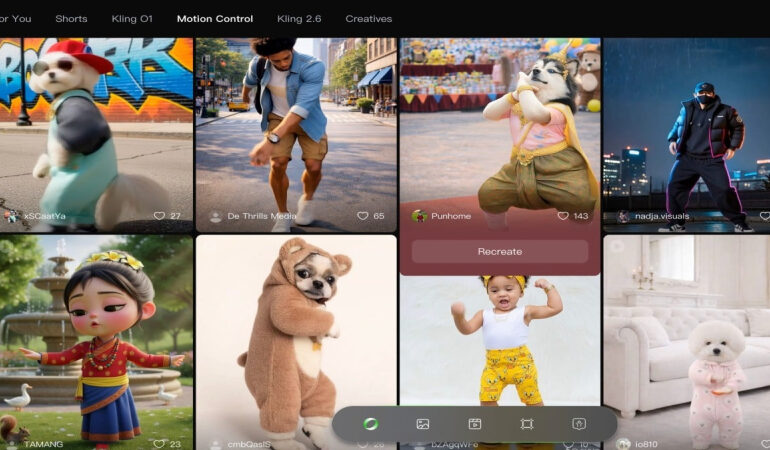
China’s generative video sector is entering a more commercial phase as Kling, the AI video platform developed by Kuaishou, moves beyond experimentation into sustained revenue generation. Once treated as a novelty layer inside creative apps, AI video tools are now being positioned as infrastructure for creators, advertisers, and digital production workflows. Kling’s rapid adoption reflects this transition. The platform has attracted a large base of recurring users and meaningful subscription revenue, placing it alongside global peers such as OpenAI and Google in functional capability rather than branding alone. What differentiates Kling is not spectacle but reliability. Motion control, character consistency, and predictable output have made it usable for repeat commercial projects rather than one off viral clips, signaling a maturation in how Chinese AI products are designed and monetized.
Kling’s growth also highlights a strategic recalibration inside Kuaishou itself. Long positioned behind ByteDance in the consumer short video race, Kuaishou is now using AI tooling to move up the value chain. By separating Kling into a dedicated business unit and pricing it as a professional product, the company is reframing its role from platform operator to technology provider. Revenue acceleration suggests that demand is not limited to hobbyists. Small studios, marketers, livestream operators, and agencies are integrating AI video generation into production pipelines where speed and cost control matter more than cinematic perfection. This institutional adoption pattern mirrors earlier shifts in cloud computing and enterprise software, where steady utility ultimately proved more durable than consumer hype cycles.
From an industry perspective, Kling’s performance reinforces a broader trend in China’s AI landscape. Domestic models are increasingly optimized for applied use cases rather than frontier benchmarks. Instead of competing on abstract model scale, platforms are narrowing focus on controllability, pricing clarity, and deployment speed. That approach aligns with regulatory realities and enterprise procurement norms inside China, where predictability often outweighs raw capability. Financial markets have begun to reflect this shift. Analyst assessments describing Kuaishou as undervalued are less about speculative AI narratives and more about visible cash flow tied to a single product line. Kling’s revenue profile suggests that generative AI in China is moving toward measurable returns rather than indefinite investment horizons.
The implications extend beyond one company. AI video tools like Kling are becoming part of the operational fabric of digital commerce, education, and media rather than experimental add ons. As generative content volumes rise, platforms that offer structure and control are likely to outlast those built primarily around novelty. This favors firms with existing creator ecosystems and payment infrastructure, areas where Chinese platforms have long experience. Kling’s trajectory indicates that China’s AI competition with Western firms is increasingly pragmatic rather than symbolic, centered on who can embed AI most effectively into everyday production. That shift suggests the next phase of competition will be measured less by demos and more by recurring usage, enterprise retention, and sustained margins.