China Softens Tariff Stance in EU Dairy Dispute
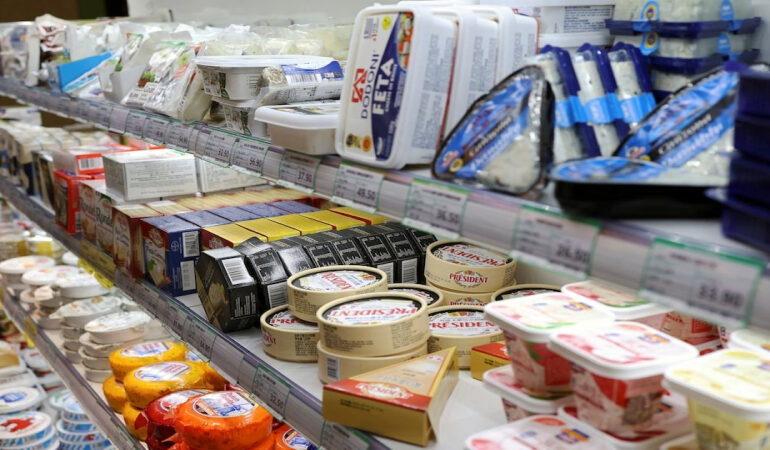
China has lowered proposed tariffs on selected European Union dairy products as it moves toward concluding an anti subsidy investigation that has been closely watched by trade officials and industry groups on both sides. The revised tariff levels are significantly below those outlined in provisional measures announced late last year, easing some pressure on European exporters while still maintaining barriers to market access. Industry representatives in Europe said the new rates suggest Beijing is recalibrating its approach rather than fully reversing course, following months of heightened trade friction. The probe has been widely interpreted as part of a broader response to EU duties imposed on Chinese electric vehicles, underscoring how disputes in one sector can spill over into unrelated industries within the current trade environment.
According to European dairy associations, final duties communicated to the EU side would reach a maximum of 11.7 percent, down sharply from provisional levels that had climbed as high as 42.7 percent. Many exporters are expected to face tariffs closer to 9.5 percent, a reduction that provides partial relief but still leaves European products at a competitive disadvantage in the Chinese market. The investigation covers a range of products including cream and cheese, categories where European producers have traditionally held strong brand recognition. While the lower rates reduce the immediate shock to exporters, industry leaders caution that the remaining tariffs could still limit volumes and margins in a market that has been strategically important for EU dairy producers.
China imported roughly $589 million worth of EU dairy products covered by the investigation in 2024, making the outcome of the probe commercially significant despite the smaller scale compared with other trade disputes. Even with reduced tariffs, European groups warn that higher costs could open the door for competing suppliers such as New Zealand to gain market share. At the same time, the measures may offer some protection to domestic Chinese producers, who have been struggling with oversupply, falling milk prices, and weaker consumer demand. For Beijing, the dairy case highlights the dual objective of managing external trade tensions while stabilising sensitive domestic agricultural sectors.
The tariff adjustment comes as China and the EU continue to navigate a fragile trade relationship shaped by electric vehicles, green technology, and industrial subsidies. By lowering the proposed duties, Beijing appears to be signalling flexibility while preserving leverage in ongoing negotiations. European officials have yet to comment publicly on the revised rates, but the move may reduce the risk of escalation at a time when both sides face slowing growth and political pressure at home. The dairy case illustrates how trade disputes are increasingly used as strategic tools, with outcomes calibrated to balance retaliation, domestic interests, and diplomatic signalling rather than delivering outright winners or losers.