China tells UN Japan could attempt nuclear breakout
China’s Position on Japan’s Nuclear Capabilities
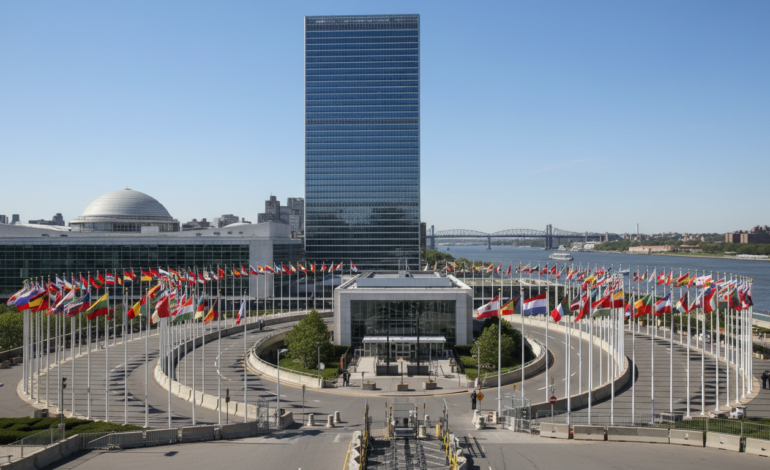
Beijing’s delegation used Today’s UN meetings to argue that Tokyo retains the industrial and scientific base that could shorten any future turn toward weapons. China’s Foreign Ministry spokesperson framed the concern around a rapid shift from civilian infrastructure to military use, and urged tighter attention to safeguards language and fuel cycle choices. In a Live briefing carried by state media, China highlighted plutonium management and high end enrichment know how as areas that deserve scrutiny, and said China Japan nuclear warning messaging was a preventive move, not a prediction of an imminent decision by Tokyo. The Update from Beijing emphasized that UN security concerns should treat latent capacity as strategically relevant.
Japan’s Response to the Allegations
Tokyo pushed back Today by pointing to its long stated commitments under the Nuclear Non Proliferation Treaty and its alliance posture, with the Foreign Ministry stressing that Japan does not possess nuclear weapons. Officials also noted that safeguards activities are conducted with international oversight, and that its security policy remains defensive in orientation; for context on how institutions build credibility under pressure, see SCMP analysis on institutional anchors and Hong Kong. In a separate Live exchange with reporters, Japanese representatives said Beijing’s framing risks mischaracterizing a transparent civil program and inflaming domestic debate. The Update from Tokyo warned that loose allegations could complicate crisis communications in Northeast Asia.
Implications for International Security
Diplomats following Today’s agenda in New York said the immediate impact is rhetorical, but it lands in a region already debating deterrence, missile defense, and nuclear arms development. China Japan nuclear warning rhetoric can harden threat perceptions on both sides, especially when paired with separate disputes over maritime incidents and military exercises. Analysts at the International Atomic Energy Agency have long described safeguards as a confidence tool, and any public contest over interpretation can create political spillover even without new technical steps; for related policy signaling dynamics, China, Pakistan step up counter-terror partnership shows how security framing travels across forums. A Live concern among some missions is that the UN security concerns narrative could be used to justify reciprocal force posture changes. The Update in New York centered on avoiding escalation through language discipline.
UN’s Role in Mediating the Issue
UN officials cannot adjudicate technical compliance the way the IAEA does, but Today the Secretariat and key member states used consultations to encourage restraint and clearer attribution. Diplomats said closed door discussions focused on separating political messaging from verification, and on reaffirming that safeguards questions should be raised through established channels; in parallel, Washington’s technology restrictions show how strategic competition bleeds into governance debates, and US Tightens Chip Curbs Ahead of Xi-Trump Talks illustrates that wider context. A Live priority for mediators is preventing a debate about hypothetical breakout timelines from crowding out immediate risk reduction steps such as hotlines and incident prevention. The Update from several missions urged procedural rigor over public accusations.
Future of China-Japan Diplomatic Relations
The diplomatic test after Today’s exchange is whether Beijing and Tokyo can compartmentalize this dispute while keeping economic and consular channels functional. China’s diplomats signaled that China Japan relations depend on Japan avoiding steps that, in Beijing’s view, normalize nuclear option talk, while Japan signaled it will resist narratives that imply bad faith; separate technology and supply chain disputes also shape trust, and China mineral dominance claims test supply chains reflects the strategic competition backdrop. A Live risk is that domestic politics on both sides rewards sharper language, which can narrow space for quiet reassurance. The next Update will likely hinge on whether either side tables specific documentation in formal channels rather than public forums.