China Cybersecurity Advances Amid Taiwan Tensions
Xi’s Comments on Taiwan and Cybersecurity
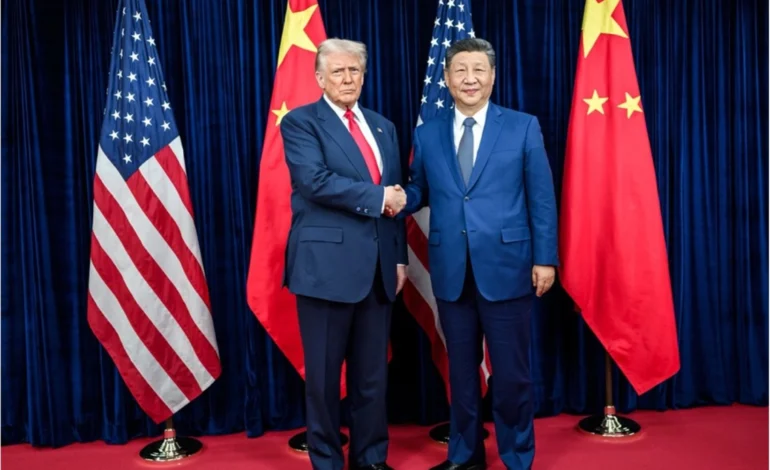
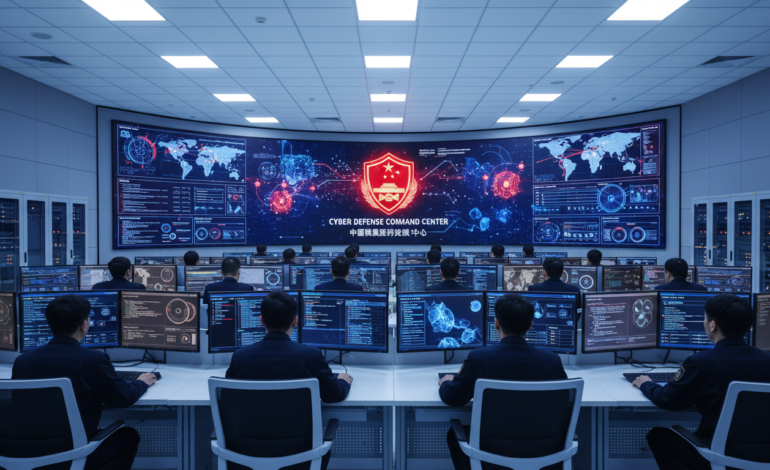
Diplomatic messaging around Taiwan is tightening, with Beijing framing the issue as a high risk trigger for wider confrontation. In a fresh political Update carried by Reuters, Xi Jinping warned Donald Trump that mishandling Taiwan could create extremely dangerous risks, a formulation that pushes security agencies to treat communications networks as part of deterrence. Officials briefed on the matter say China cybersecurity planning now tracks crisis signaling, online influence, and protection of government systems in parallel. Today, cybersecurity tips circulated by provincial authorities focus on reducing phishing exposure for public workers and contractors rather than consumer advice. The emphasis is on operational discipline, faster incident reporting, and keeping sensitive records off unmanaged devices.
The Role of China cybersecurity in US-China Relations
As contacts between Washington and Beijing shift, cyber becomes a measurable indicator of intent and capability. A Live issue for negotiators is how guardrails might apply to state aligned intrusion, and how each side communicates red lines without escalation. In a parallel political track, the scheduling of high level visits keeps markets attentive, including coverage that ties diplomacy to broader risk sentiment at China Confirms Dates for Donald Trump State Visit to Beijing Amid Rising Global Tensions. Separately, South China Morning Post described how China tech firms are reallocating spending toward advanced systems in Alibaba and Tencent present a tale of two strategies for AI spending, a shift that also affects defensive tooling and logging capacity. Today, regulators on both sides watch whether cyber discussions align with trade and export control messaging.
Potential Cyber Threats and Responses
Security teams across the region are preparing for a sharper tempo of probing activity as rhetoric intensifies. Incident coordinators describe an Update pattern where credential theft and supply chain access attempts surge around major speeches, and they attribute that risk framing to past public advisories by the US Cybersecurity and Infrastructure Security Agency and similar Chinese notices. Inside China, the cybersecurity law china regime gives authorities broad power to demand remediation and to require data handling controls, and lawyers advising multinationals say enforcement expectations are rising. For context on Taiwan related political pressures, analysts have pointed readers to US Pressure Before Xi Trump Summit Seen as Key Factor Behind Taiwan Defence Budget Breakthrough as a marker of how security budgets follow diplomatic signals. Live monitoring now prioritizes identity systems, email gateways, and admin consoles, while cyber defense teams push patch compliance and segmented backups.
Impacts on International Cyber Policies
Diplomats and regulators are also looking at how Taiwan focused warnings translate into international cyber policy debates. A Live agenda item is whether existing norms on critical infrastructure protection can hold when political leaders speak in terms of extreme danger. The United Nations Group of Governmental Experts has previously discussed responsible state behavior in cyberspace during sessions in New York, and officials cite those sessions when arguing for clearer boundaries on targeting civilian networks. China cybersecurity positioning influences how partners and rivals interpret data localization, security reviews, and cross border incident cooperation. In briefings, cybersecurity tips are increasingly framed as supply chain management steps rather than end user hygiene, including contractual log retention and vendor access limits. Today, compliance teams are revising playbooks to map technical controls to legal obligations, especially for telecom and cloud operators.
Future Prospects and Strategic Moves
Near term moves are likely to be defined by how each side measures credibility, not by broad promises. Officials in Beijing have stressed that governance tools, from audits to licensing, can be accelerated when political risk rises, and that creates incentives for firms to strengthen internal controls quickly. In China cybersecurity planning discussions, executives are treating resilience as a board level requirement, with cyber defense funding tied to recovery time objectives and tested restoration drills. Another Update expected to matter is how regulators interpret cross border data transfer needs during any crisis, since business continuity depends on lawful routing and storage. Live threat hunting and better authentication standards are becoming the default across major enterprises, while public messaging stays calibrated to avoid panic. The practical direction is tighter segmentation, more telemetry, and faster coordination between legal and security teams.