Hong Kong tech park tender: higher bid bar and bond
Impacts of the Construction Bond
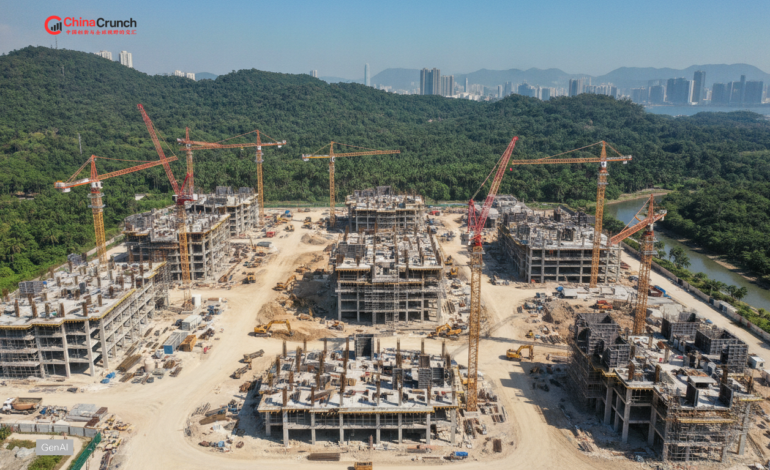
Hong Kong is adjusting procurement standards for a major technology-park tender that officials have positioned as an innovation-focused site for applied research and advanced industries. One widely cited change is a HK$100 million construction bond, which would raise the cost of entry and could shift how developers model risk and timelines. The updated tender framework appears to emphasize stricter screening on capital strength and delivery capability, rather than maximizing broad participation. Overall, the project is being framed as a long-horizon public asset with larger upfront commitments, tighter compliance, and clearer accountability for delays. This approach may also reflect public expectations for visible progress on land use and infrastructure execution.
Financial Requirements for Bids
The core filter is financial: the tender is described as requiring a HK$100 million construction bond, which could narrow the field to major developers and consortia with stronger balance sheets. In practice, the bond would function as a liquidity and governance test, since it ties up capital and increases exposure if milestones are missed. For context on how large-scale projects can elevate financial thresholds and oversight requirements, see China Pakistan Economic Corridor: projects and trade, and authorities also appear to be signaling more scrutiny of schedule credibility, contractor capacity, and cost control under tighter reporting requirements, though specific enforcement details may depend on the final tender documents. These kinds of gatekeeping measures can reshape participation by favoring bidders with diversified funding and proven delivery records.
Developer Strategy Adaptations
For bidders, a sizeable bond changes the economics of participation because guaranteed capital has an opportunity cost and affects how risk is priced into proposals. Regional policy signals can influence financing and counterparties as well, including restrictions that affect investment exposure, as outlined in Chinese tech investment curbs widen via Pentagon blacklist. Developers may respond by prioritizing predictable contracting structures, firmer supply commitments, and more conservative assumptions on labor and materials. The planned facilities are also likely to carry higher-spec requirements for prospective tenants, such as stable power, cooling, and data connectivity, which can increase build complexity and commissioning risk. In scoring, governance, procurement discipline, and resilient funding can become decisive differentiators.
A Comparison with Past Tenders
Compared with earlier land and infrastructure tenders, the current framework appears intended to deter speculative participation and reduce execution risk. Financing capacity has become an increasingly important differentiator across other major deals and listings, which helps explain why administrations may prefer bidders with stronger capital backing, and related context on capital scale and market appetite is discussed in Before Elon Musk’s SpaceX, these were the world’s 5 largest IPOs. Past processes often leaned on standard bid bonds and basic eligibility checks, with more performance risk pushed into later project stages. By front-loading accountability via a larger construction bond, the government may reduce the likelihood of stalled works and renegotiations after award. The overall signal is likely delivery certainty over a crowded bid list.
Potential Outcomes for Hong Kong Tech Park
If the new rules yield fewer but stronger bids, a near-term effect could be clearer schedules and fewer contractual disputes once construction begins. Over the medium term, the Hong Kong tech park could shape how the city positions itself against regional peers competing for research-intensive tenants and scale-up operators. The Hong Kong tech park outcome may also influence how other public projects set eligibility filters, particularly where the government wants faster build-out without scope resets. A higher entry bar can reduce competition, but it can also reduce the probability of underpriced bids that later require extensions or redesigns. The tender rules suggest that fiscal capacity and compliance systems are becoming central to participation in strategic builds. In Hong Kong, this positioning also ties back to expectations for faster delivery on publicly backed infrastructure.