Jakarta bans consumption and sale of dog, cat and bat meat to curb rabies risks
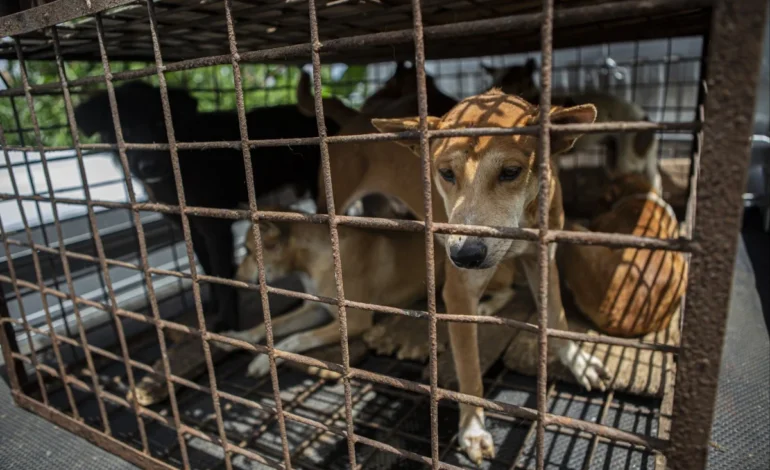
Jakarta has moved to prohibit the sale and consumption of dog, cat and bat meat in an effort to reduce the risk of rabies transmission, marking a significant policy shift for Indonesia’s capital and a major step welcomed by animal welfare groups. Governor Pramono Anung announced the decision on Tuesday, confirming that the new regulation has been formally signed and will now begin its transition toward full enforcement.
In a statement shared on social media, Governor Pramono said he had approved rules that restrict the sale of animals known to carry rabies when used for food. The regulation is intended to safeguard public health following a series of rabies related incidents across the country. Indonesia recorded twenty five rabies related deaths this year, prompting renewed attention to the risks associated with the trade and consumption of certain animals.
According to a document reviewed by Agence France Presse, the new measure includes a six month grace period before the ban is fully implemented. This transitional window is meant to allow businesses and communities time to adapt, particularly in areas where the consumption of these animals has been tied to cultural practices or has served as an affordable source of protein. While not widely consumed in Jakarta, dishes made from dog, cat or bat meat remain part of traditional cuisines in some parts of the country.
Public health officials say the ban aligns with broader efforts to control the spread of rabies, which remains a challenge in several Indonesian provinces. Dogs have been the main source of human rabies infections, and the trade in dog meat has long raised concerns among health experts who warn that handling, transporting and slaughtering the animals increases the likelihood of transmission. By restricting the sale of these animals for food, authorities hope to reduce the risks associated with close human contact.
Animal rights groups have praised the policy, describing it as a long awaited step that could save thousands of animals and improve awareness of humane treatment standards. Advocacy organisations have campaigned for years to end the dog and cat meat trade, arguing that the practices often involve poor welfare conditions and unregulated slaughter methods. The Jakarta decision is seen as a milestone that could encourage other regions to adopt similar measures.
Local officials say the focus will now be on public education and cooperation with community leaders to ensure compliance during the transition period. Authorities are expected to work with traditional market vendors, food sellers and restaurants to inform them about the new rules and provide guidance on alternatives.
The ban comes at a time when the country is strengthening its public health defences and reviewing traditional practices that may contribute to disease risk. While the change challenges long standing habits in some communities, officials emphasise that protecting public safety is the main priority. As the regulation moves toward full enforcement, Jakarta is preparing to serve as an example for other cities considering similar measures.