African Countries Renew Push for Recognition of Colonial Crimes and Reparations
African governments have launched a renewed effort to secure international recognition of colonial-era abuses and to press for reparations, arguing that the economic and human cost of colonialism continues to shape the continent’s development. The issue took centre stage at a conference in Algiers on Sunday, where diplomats and senior officials from across Africa gathered to advance a resolution adopted earlier this year by the African Union calling for accountability and redress.
The meeting brought together representatives from a wide range of states seeking to build a unified position on reparations. Leaders said the aim is not only to document crimes committed during the colonial period but also to push for their acknowledgment under international law. Supporters of the initiative argue that many of these historical injustices, including land seizures, forced labour, resource extraction, and mass violence, have never been adequately addressed by former colonial powers.
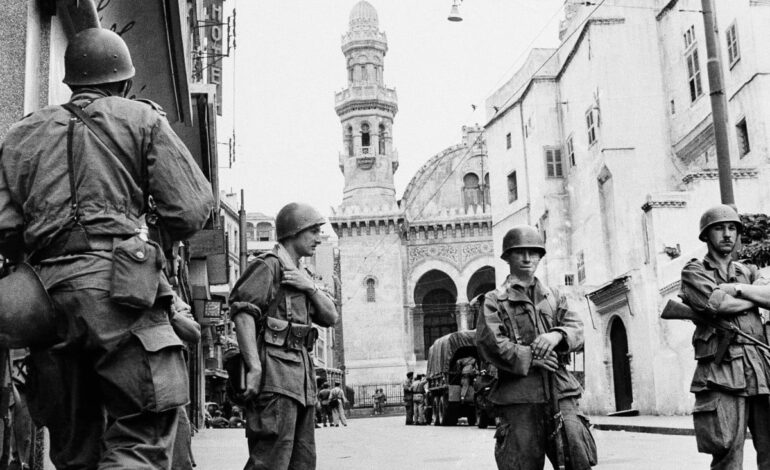
In his opening remarks, Algerian Foreign Minister Ahmed Attaf described Algeria’s long struggle under French rule as an example of why compensation and the return of stolen property remain essential. He said the trauma of colonialism continues to affect societies across the continent and that addressing these legacies is central to building a more equitable international system. Algeria, which gained independence from France in 1962 after a violent and protracted war, has long advocated for a global reckoning with colonial history.
Participants at the conference highlighted new research suggesting that the economic damage caused by colonial plunder may reach into the trillions of dollars. According to analysts, the extraction of natural resources, suppression of local industries, and policies that limited economic development left African economies structurally disadvantaged even decades after independence. Some speakers said these findings reinforce the case for formal reparations, arguing that present-day inequalities are rooted in past exploitation.
Several delegations also stressed the importance of establishing clear legal frameworks. They argued that crimes committed during the colonial era should be classified and treated under international law in the same way as other major human rights violations. Advocates of this approach say criminalisation and legal recognition would strengthen the moral and political basis for reparations claims.
The conference reflects a growing movement within Africa to address historical injustices on a continent wide scale. While individual countries have previously pursued their own approaches to colonial reconciliation, the African Union’s recent resolution calls for coordinated action and collective negotiation. Supporters hope that a unified stance will give African nations greater influence in future discussions with former colonial powers.
However the path forward remains complex. Many European states have expressed willingness to engage in dialogue on historical harms but have been cautious about framing these discussions in terms of financial compensation. Others have preferred symbolic gestures such as returning cultural artifacts or acknowledging past wrongs. African leaders at the conference said that while symbolic steps are valuable, they do not replace the need for substantive measures.
The event in Algiers concluded with commitments to continue refining legal strategies, gathering historical evidence and building international support. Organisers said the work ahead will require persistence but emphasised that momentum across the continent is stronger than in previous years.