US Regulator Signals Possible Ban on Chinese Telecom Firms From American Networks
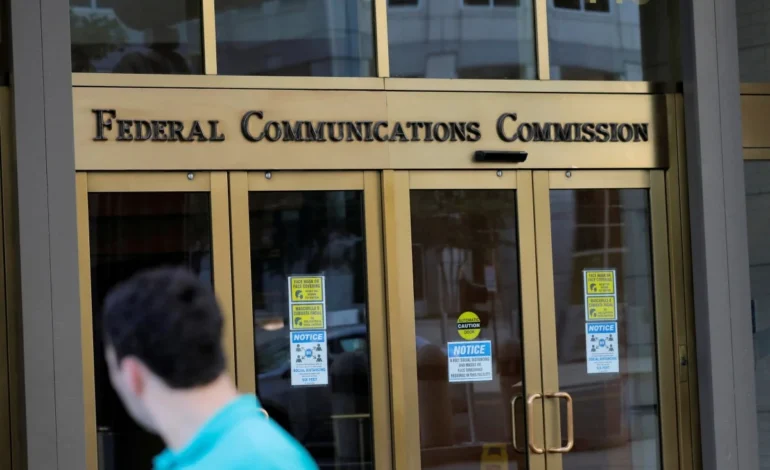
The United States is considering a significant move against three of China’s largest telecom companies as part of its ongoing efforts to curb robocalls and strengthen national security protections. The Federal Communications Commission announced that it may bar China Mobile, China Telecom and China Unicom from connecting to US networks if they fail to resolve concerns related to their participation in the country’s robocall mitigation system. The development marks the latest chapter in Washington’s increasingly assertive approach toward Chinese firms operating in the American communications sector.
FCC Raises Concerns Over Compliance
The FCC revealed that the three companies must address issues related to their certifications in the agency’s robocall mitigation database. This database requires all telecom carriers to demonstrate how they are reducing unwanted or fraudulent calls, a growing problem that affects millions of consumers and businesses across the United States.
Officials stated that the certifications submitted by the Chinese firms raised concerns and did not meet the standards needed to ensure responsible participation in the US telecommunications ecosystem. According to the FCC, any gaps in compliance could pose risks, especially given the scale of American phone networks and the severity of the robocall problem.
Potential Removal From US Networks
If the FCC decides to remove the companies from the database, the consequences would be immediate. All intermediate and voice service providers operating in the United States would be required to stop accepting calls directly from China Mobile, China Telecom and China Unicom. The action would not block communication entirely but would effectively cut off direct connections, forcing calls to route through alternative carriers if permitted.
Such a step would represent one of the strongest measures taken against foreign carriers under the FCC’s authority. It would also add to the growing list of restrictions the US has imposed on Chinese telecom and technology firms, driven by concerns ranging from cybersecurity to data privacy.
Part of a Broader Pattern in US–China Tech Tensions
The potential ban aligns with Washington’s broader strategy of tightening control over Chinese companies operating in critical infrastructure. Over recent years, the United States has limited or reviewed Chinese involvement in mobile networks, cloud services, semiconductors and digital platforms. Telecom companies in particular have faced intense scrutiny, as policymakers argue that connections to Chinese state owned firms could pose national security concerns.
While the FCC’s current action is framed around robocall mitigation, analysts note that it reflects deeper unease about the degree of access foreign carriers have to US networks. The decision could prompt further regulatory steps and signal to other governments that telecom traffic is becoming increasingly politicised.
Implications for Global Communications
If restrictions are imposed, the immediate effects will likely be felt by carriers and businesses that handle large volumes of international voice traffic. While most consumers would not notice major disruptions, some international call routes could become slower or more expensive if alternative providers need to be used. The move may also influence how telecom firms worldwide approach their compliance obligations when dealing with US based regulators.
Beyond technical adjustments, the action could have diplomatic implications. China has previously criticised US decisions to limit its companies’ roles in global communications infrastructure, framing these moves as politically motivated rather than grounded in genuine security concerns. The FCC’s latest warning may intensify those disagreements.
Awaiting the Companies’ Response
The three telecoms now have an opportunity to address the compliance concerns raised by the FCC. Their ability to demonstrate effective robocall mitigation measures will determine whether they remain connected to US networks. The regulator has signalled that it is prepared to enforce strict measures if necessary, underscoring its commitment to protecting American communications from fraud and other risks.
As both countries continue to navigate an increasingly complex technological relationship, the decision will be closely watched by industry leaders, policymakers and international partners.