Hong Kong Engineer Jailed Over Bribery and Money Laundering After Living Beyond His Means
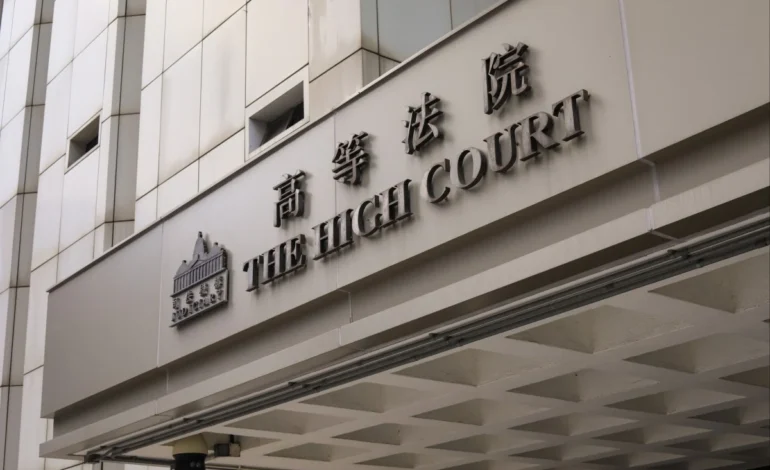
A former Hong Kong government engineer has been sentenced to more than five years in prison after the court found he laundered millions of dollars in illegal income and accepted bribes while working in public service. The case has drawn attention to corruption risks within government procurement and the importance of safeguarding integrity in public sector tendering.
On Tuesday, the High Court sentenced 60 year old Zsa Sing tak to five years and three months in jail for laundering HK$6.26 million in criminal proceeds and engaging in bribery. Prosecutors said Zsa’s spending habits and financial records showed a lifestyle far exceeding what could reasonably be supported by his official salary, raising red flags that ultimately led to his arrest.
The court heard that Zsa had accepted a HK$40,000 bribe in exchange for giving preferential treatment to engineering firms connected to a personal friend. These firms were involved in bidding for various government building projects, including contracts related to the maintenance of drinking fountains at municipal facilities. The judge noted that such actions undermined fair competition and damaged public trust in the government’s tendering system.
Zsa previously worked as a senior building services engineer with Hong Kong’s Electrical and Mechanical Services Department, a role that carried significant responsibility for overseeing technical standards and procurement decisions. Prosecutors argued that his position gave him influence that he abused for personal gain, allowing favored companies an unfair advantage in public contracts.
During the sentencing hearing, the court examined Zsa’s financial trail, which revealed unexplained cash flows and expenditures that could not be justified by his legitimate income. Investigators concluded that the HK$6.26 million laundered through various channels represented illicit gains accumulated over time. The judge described the scale of the laundering as serious and said it reflected deliberate and sustained misconduct rather than a one off lapse in judgment.
Defense lawyers acknowledged their client’s wrongdoing and told the court that Zsa had been driven by greed and pressure to maintain a comfortable and luxurious lifestyle for his family of four. They argued that his actions stemmed from poor personal choices rather than coercion or external threats. However, the court rejected calls for leniency, emphasizing the need for deterrence in cases involving corruption by public officials.
Zsa was arrested in February 2019 following an investigation that formed part of broader efforts by Hong Kong authorities to clamp down on graft and financial crimes. Anti corruption agencies have repeatedly warned that public servants are expected to uphold the highest ethical standards, particularly when handling public funds and procurement decisions.
The judge stressed that public trust is easily damaged when officials exploit their positions for private benefit. In sentencing Zsa, the court said the punishment reflected not only the financial harm caused but also the broader impact on confidence in public administration.
The case serves as a reminder that Hong Kong’s courts continue to take a tough stance on corruption and money laundering, particularly when they involve abuse of public office. Authorities have said they will continue to pursue similar cases to ensure accountability and reinforce the rule of law across government institutions.