Ant Group Expands Its AI Health Push With Major AQ App Upgrade
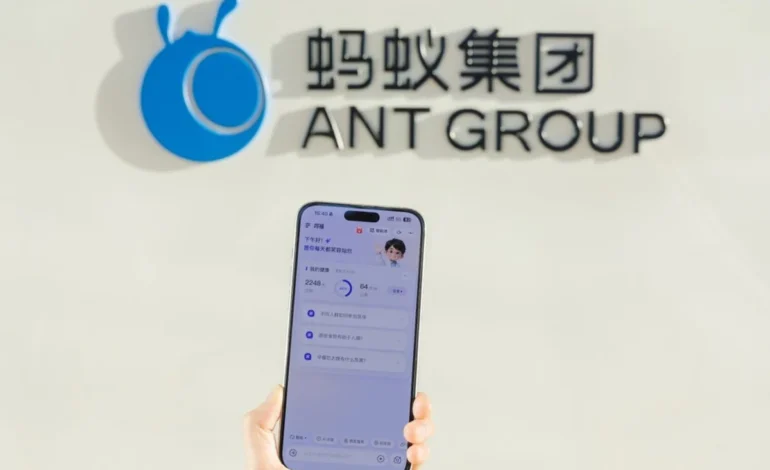
Chinese fintech heavyweight Ant Group is accelerating its expansion into healthcare with a significant upgrade to its artificial intelligence powered health app AQ. The move reflects growing confidence within the company that digital health services can become a core growth engine alongside its traditional financial technology offerings. With China’s population aging rapidly and wellness awareness rising across age groups, Ant is positioning AQ as a daily health companion that blends technology with personalized care.
AQ Evolves Beyond Basic Health Tracking
Originally designed as a digital health assistant, AQ has now been upgraded to function more like a virtual fitness coach and family doctor combined. According to the company, the app can now support long term health management rather than just basic monitoring. This shift marks a clear step away from single use health tools toward a more integrated platform that supports ongoing lifestyle and medical needs.
Integration With Major Smart Device Brands
One of the most notable features of the upgrade is AQ’s expanded compatibility with popular smart health devices. The app now integrates data from wearables and monitoring tools produced by companies such as Apple, Huawei, and Omron. This allows users to centralize information including heart rate, blood pressure, and physical activity into a single interface. By reducing fragmentation across devices, Ant aims to simplify health tracking for users who already rely on multiple technologies.
Family Health Profiles Reflect Eldercare Focus
The introduction of family health profiles signals Ant’s growing focus on eldercare and household based health management. Users can now create and manage health records for parents or other family members within the app. This feature is particularly relevant in China, where adult children often take responsibility for monitoring the wellbeing of elderly relatives. By enabling shared oversight, AQ positions itself as a practical tool for families navigating long term care needs.
Personalized Goals and Daily Guidance
AQ has also added features designed to encourage healthier habits through personalization. Users can set specific health goals related to fitness, sleep, or chronic condition management. The app then generates tailored plans and sends smart reminders to support consistency. Ant describes this functionality as similar to having a personal trainer who provides daily guidance and motivation, reinforcing the app’s role in preventive healthcare rather than reactive treatment.
Strategic Importance for Ant Group
Ant Group’s push into digital health aligns with its broader strategy of applying artificial intelligence to real world services beyond payments and finance. As regulatory pressure reshaped its core fintech business in recent years, healthcare has emerged as a sector offering both social value and long term commercial potential. The AQ upgrade demonstrates how Ant is leveraging its technical infrastructure and user base to build services that address demographic and lifestyle shifts.
Riding China’s Wellness and Aging Trends
Demand for digital health solutions is rising quickly in China, driven by an aging population, strained medical resources, and growing interest in wellness management. AI powered platforms are increasingly viewed as a way to improve efficiency and accessibility in healthcare. Ant’s timing suggests it aims to capture this momentum early by embedding AQ into everyday routines before competition intensifies.
A Broader Signal for Tech Driven Healthcare
Ant’s investment in AQ reflects a wider trend among Chinese technology firms entering healthcare through artificial intelligence and data integration. Rather than replacing doctors, these platforms aim to complement existing systems by improving monitoring, prevention, and family involvement. As AQ continues to evolve, its performance may offer insight into how fintech and health technology can converge in China’s next phase of digital services.