China’s One Yuan Girl Found After Nearly Five Decades
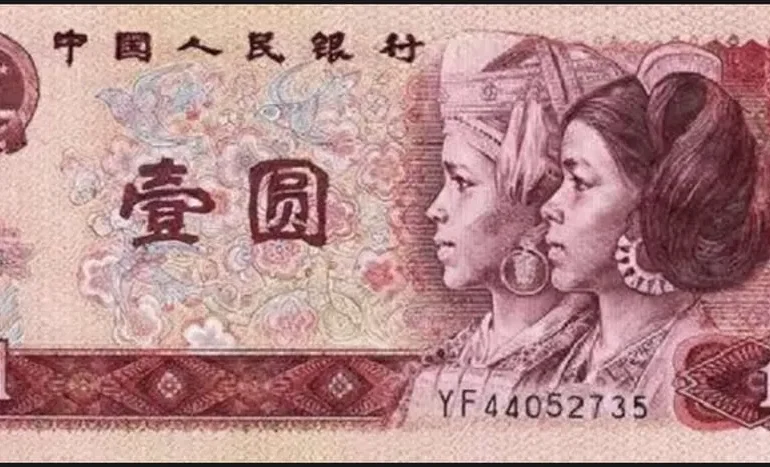
A Familiar Face From China’s Currency History
Nearly half a century after her image appeared on one of China’s most recognizable banknotes, the woman long known as the one yuan girl has quietly reentered public view. A recent viral video shared by an online influencer in Guizhou province has identified the face behind the historic renminbi design, drawing renewed attention to a story that blends national memory with ordinary rural life. The woman is Shi Naiyin, now 65 years old, whose youthful image once symbolized simplicity and optimism during a formative period in modern China.
How a Banknote Image Became a National Symbol
The one yuan banknote featuring a young girl in traditional ethnic attire circulated widely in the late twentieth century. For many Chinese citizens, it became more than currency. It represented rural life, ethnic diversity, and the quiet dignity of everyday people. At the time, few knew anything about the girl herself, and over the years her identity faded into speculation and folklore. The image remained familiar, but the person behind it seemed lost to history.
A Viral Video Reconnects Past and Present
The mystery resurfaced when a content creator in southwestern China posted a short video on November 26 featuring an elderly woman from Congjiang county in Guizhou. Viewers quickly recognized her as the girl from the old banknote. The woman was identified as Shi Naiyin, a member of the Dong ethnic minority. The video spread rapidly across social media platforms, sparking widespread curiosity and emotional reactions from users who grew up handling the same banknote.
Life Far From the Spotlight
Despite her unexpected fame, Shi Naiyin has lived a life far removed from public attention. She is a peasant woman who spent decades working, raising a family, and maintaining a simple rural lifestyle. Now a mother of two, she continues to live modestly in her village. According to people familiar with her story, neither Shi nor her family ever attempted to profit from her connection to the banknote. For them, it was a forgotten moment from youth rather than a badge of celebrity.
Why Her Story Resonates Today
The renewed interest in Shi’s identity reflects more than nostalgia. In an era of rapid urbanization and digital culture, her story reminds many people of a time when national symbols were closely tied to everyday rural life. The contrast between her humble present and the lasting visibility of her image highlights how history often elevates ordinary individuals without altering their personal paths. For many viewers, this quiet continuity is what makes her story compelling.
Ethnic Representation and Cultural Memory
Shi’s image also holds cultural significance as a representation of China’s ethnic diversity. The Dong ethnic minority has a rich cultural heritage, particularly known for music, architecture, and traditional dress. Featuring such an image on national currency carried symbolic meaning, emphasizing unity within diversity. The rediscovery of Shi has prompted renewed discussion about how cultural identities were represented during earlier stages of national development.
Social Media and Rediscovered Histories
The role of social media in bringing Shi’s story back into the public eye underscores how digital platforms can reconnect forgotten narratives with contemporary audiences. Unlike official announcements or archival projects, this rediscovery came through grassroots sharing. It demonstrates how personal histories can resurface organically and resonate widely when they intersect with collective memory.
A Quiet Ending to a Long Mystery
For Shi Naiyin, the sudden attention has not changed her outlook or lifestyle. She remains grounded in family life and local community, offering a rare example of fame that never altered personal identity. Her story stands as a reminder that behind national symbols are real people whose lives often unfold far from the narratives built around them.