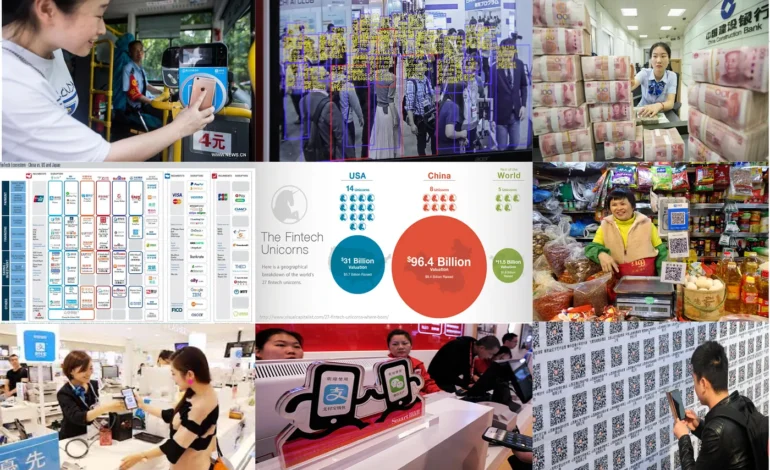
From Consumer Apps to Core Systems The New Phase of Chinese Tech Leadership

A Shift in What Leadership Means
Chinese technology leadership is entering a new phase defined less by consumer visibility and more by system level responsibility. For years, success was measured by user growth, engagement metrics, and brand recognition. Today, leadership is increasingly associated with the ability to design, manage, and maintain core systems that support economic coordination. This shift reflects a maturing technology sector where influence is exercised through infrastructure rather than interfaces.
The Era of Consumer First Innovation
In the early stages of digital expansion, consumer apps drove China’s tech narrative. Mobile payments, e commerce platforms, and social applications reshaped daily life at remarkable speed. These products demonstrated how technology could scale rapidly when aligned with user needs. Leaders during this period were defined by their ability to capture markets and change behavior, often ahead of formal institutional integration.
Limits of App Centered Growth
As consumer apps became ubiquitous, their limitations grew more apparent. Dependence on engagement based models created volatility, while fragmented platforms complicated coordination across industries. When digital services became essential to finance, logistics, and public administration, app centered innovation proved insufficient. The focus began to move toward systems that could support reliability, security, and long term economic function.
Leadership Moves Into Infrastructure
The new phase of tech leadership emphasizes ownership of core systems such as payment rails, data coordination platforms, and enterprise level tools. These systems operate largely out of public view but determine how efficiently the economy functions. Leaders in this space are judged by their ability to deliver stability, scalability, and compatibility rather than viral growth.
Governance and Responsibility
System level leadership carries greater responsibility. Core technologies must align with regulatory expectations, manage risk, and support policy objectives. This environment rewards leaders who understand governance as part of innovation rather than an obstacle. Strategic decision making now involves balancing technological capability with institutional trust and accountability.
Redefining Innovation Culture
Innovation culture is also evolving. Instead of rapid iteration aimed at consumer excitement, innovation increasingly targets backend efficiency and coordination. Teams focus on reliability, performance, and integration. This cultural shift changes how success is celebrated, placing value on durability and contribution to system health rather than short term visibility.
Competitive Advantage Through Systems
Control over core systems provides a different kind of competitive advantage. Firms that build and maintain essential infrastructure become indispensable partners across sectors. Their influence extends through integration rather than dominance. This position supports long term relevance even as consumer trends change, offering stability in a dynamic market.
A More Enduring Form of Leadership
The move from consumer apps to core systems marks a deeper evolution in Chinese tech leadership. It reflects a transition from disruption to stewardship, where leaders shape how technology supports economic order. This form of leadership may attract less attention, but it plays a decisive role in defining how digital systems sustain growth, manage risk, and adapt over time.