Xpeng Chief Pushes Back Against Fears of an AI Bubble
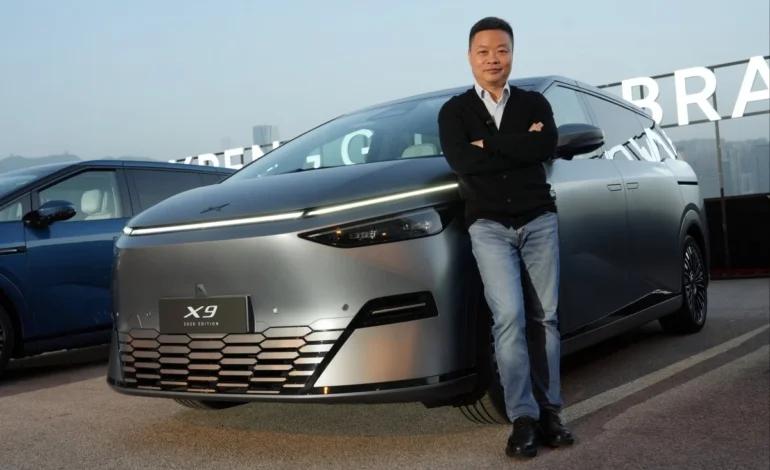
He Xiaopeng, co founder and chief executive of Chinese electric vehicle maker Xpeng, has rejected growing concerns that the artificial intelligence sector is heading toward a dangerous bubble. Instead, he argues that AI is still at a very early stage of development and is poised to bring long term transformation across industries.
In comments shared on social media, He said public anxiety about overheating mirrors reactions seen during earlier technological revolutions. From the rise of the internet to the boom in new energy vehicles, periods of rapid innovation have often been accompanied by inflated expectations, yet lasting progress eventually followed.
Lessons From a US Tech Tour
He’s confidence in AI’s future was reinforced during a recent trip to the United States, where he met more than thirty professionals working across different areas of the AI ecosystem. These discussions, he said, offered firsthand insight into how quickly foundational technologies are improving and how broadly they are being applied.
Rather than seeing signs of collapse, He came away believing that many AI applications are only just beginning to move from experimental concepts to early real world deployment. This phase, which he described as the transition from zero to zero point one, suggests enormous room for growth rather than saturation.
Why Bubbles Are Part of Innovation Cycles
Addressing fears directly, He noted that bubbles are not unusual during periods of technological upheaval. He explained that enthusiasm often outpaces practical deployment at first, leading to overinvestment in some areas. Over time, weaker ideas fall away while stronger ones reshape industries.
From his perspective, focusing solely on short term excess misses the bigger picture. AI, he believes, is not a passing trend but a foundational technology that will alter how people work, travel, and live, much like electricity or the internet did in earlier eras.
Autonomous Driving Will Surpass Humans
One of He’s boldest predictions is that autonomous vehicles will eventually outperform human drivers. He has repeatedly argued that machines can process information faster, react more consistently, and avoid the emotional or physical limitations that affect people behind the wheel.
While he did not attach a specific timeline, He suggested that progress in perception, decision making, and hardware integration is accelerating. For companies like Xpeng, AI driven driving systems are not a distant vision but a central pillar of future competitiveness.
Robots Headed for the Home
Beyond cars, He also shared optimism about the future of robotics. He believes that intelligent robots will soon become affordable for ordinary households, moving beyond factories and research labs into daily life.
Advances in AI, combined with falling hardware costs, are expected to make personal robots more practical and accessible. These machines could assist with household chores, elder care, or basic services, reshaping domestic routines in much the same way smartphones transformed communication.
A Rare Public Voice Among Chinese Executives
He Xiaopeng stands out as one of the few high profile Chinese business leaders openly discussing AI’s broader implications. At a time when Beijing and Washington are competing fiercely for technological leadership, such public commentary carries added weight.
His remarks reflect confidence that China’s tech sector can remain competitive despite regulatory scrutiny and global rivalry. They also suggest a belief that innovation will continue through collaboration, learning, and steady iteration rather than hype alone.
Early Days, Not the End of the Road
Central to He’s message is the idea that AI development is still at an early stage. He argues that society has not yet seen the full impact of intelligent systems because many applications are only beginning to move beyond prototypes.
This perspective challenges narratives that frame AI as already overextended. Instead, He sees the current moment as the foundation for deeper, more meaningful integration of intelligence into transportation, manufacturing, and everyday life.
Confidence in Long Term Transformation
While acknowledging short term volatility and uneven progress, He Xiaopeng remains firmly optimistic. He believes AI will drive significant societal change, improving efficiency and opening new possibilities rather than collapsing under its own hype.
For investors, consumers, and policymakers alike, his message is one of patience. In his view, today’s excitement and anxiety are simply signs that a powerful technology is beginning to take shape.