Putin Signals Hard Line as Russia Presses Military Advantage and Peace Talks Stall
Confident tone from the Kremlin
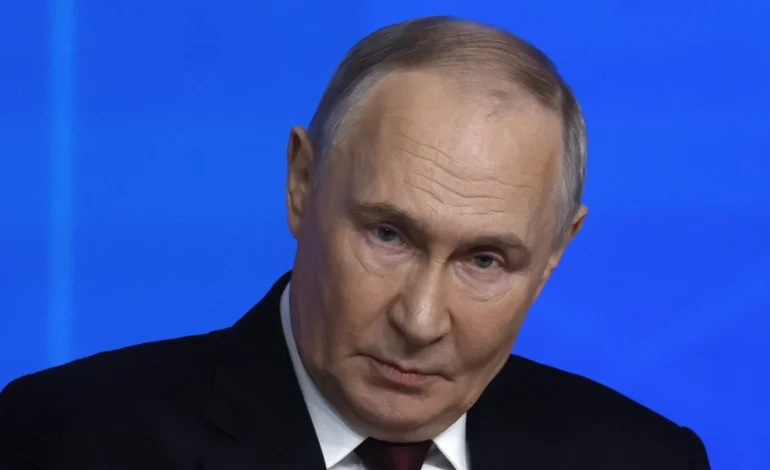
Russian President Vladimir Putin has signaled little appetite for compromise in the war in Ukraine, warning Western governments while suggesting that Moscow is prepared to seize more territory if the conflict drags on. Speaking at his annual end of year press conference, Putin said the responsibility for progress in peace talks now lay with the West and Kyiv, even as he praised recent battlefield gains by Russian forces.
The remarks underscored a familiar mix of defiance and strategic messaging that has characterized Putin’s public statements since the invasion began. With negotiations effectively stalled, the Kremlin is projecting confidence and resilience, framing the war as one Russia can sustain and potentially expand.
Peace talks pushed back onto Kyiv and the West
Putin told journalists that Moscow remained open to negotiations but insisted that meaningful talks depended on the positions taken by Ukraine and its Western backers. By saying the ball was in their court, he shifted blame for the diplomatic deadlock away from Russia and onto its adversaries. This framing aligns with Russia’s long standing narrative that it is responding to Western pressure rather than acting as the sole driver of the conflict.
At the same time, Putin offered no indication that Russia was willing to make concessions that Kyiv could accept. Instead, his comments suggested that Moscow believes time is on its side, particularly as political divisions and war fatigue grow in parts of Europe and the United States.
Battlefield gains shape Moscow’s confidence
A key element of Putin’s confidence comes from what he described as recent advances on the battlefield. While independent assessments of territorial changes often differ from official Russian claims, Moscow has highlighted incremental gains as evidence that its strategy is working. These assertions are used domestically to reinforce the idea that Russia is steadily achieving its objectives despite sanctions and military aid flowing to Ukraine.
By linking battlefield momentum with diplomatic posture, the Kremlin is signaling that it sees little incentive to rush into talks from a position of perceived strength. The message is clear. Any future negotiations will reflect realities on the ground as defined by Russian military progress.
Threats of further territorial expansion
Perhaps most striking was Putin’s suggestion that Russia could seek additional Ukrainian territory if the war continues. While he did not specify targets, the implication was that Moscow is prepared to expand its ambitions beyond areas already under its control. Such statements raise concerns in Kyiv and Western capitals that a prolonged conflict could lead to further escalation rather than compromise.
For Ukraine, this rhetoric reinforces fears that any pause in fighting without firm security guarantees could simply allow Russia to regroup and advance again. For the West, it highlights the difficulty of balancing support for Ukraine with efforts to prevent a wider confrontation.
Domestic messaging and political stability
The annual press conference is a carefully managed event designed to showcase Putin’s authority and control. By striking a confident tone, he aims to reassure Russian citizens that the country remains stable and capable of withstanding external pressure. Emphasizing resilience and progress helps sustain domestic support for a war that has imposed economic and social costs.
Putin’s longevity in power gives added weight to these appearances. After 25 years at the top of Russian politics, his messaging is as much about continuity as it is about policy, reinforcing the idea that Russia will not be coerced into decisions it sees as unfavorable.
Western responses remain cautious
Western governments have so far dismissed Putin’s claims that peace depends solely on Kyiv and its allies. Officials in Europe and the United States argue that Russia can end the war by withdrawing its forces and respecting Ukraine’s sovereignty. However, there is growing debate within Western societies about the long term sustainability of military and financial support for Ukraine.
This tension creates an opening for Moscow to test resolve, using confident rhetoric and limited gains to probe for signs of weakening unity among its opponents.
A conflict with no quick resolution
Putin’s latest statements suggest that a negotiated settlement remains distant. With Russia projecting strength and Ukraine insisting on the restoration of its territorial integrity, the gap between the two sides remains wide. Diplomatic efforts continue behind the scenes, but public messaging points toward a prolonged standoff.
As peace talks stall and military operations continue, Putin’s warning to the West serves as a reminder that the conflict is far from frozen. Instead, it remains dynamic, dangerous, and deeply intertwined with broader geopolitical rivalries that show no sign of easing.