All Abducted Schoolchildren Freed After Mass Kidnapping in Nigeria’s Niger State
The Nigerian government has confirmed that all remaining victims abducted during a mass kidnapping at a Catholic boarding school in Niger State have now been released, bringing relief to families and communities shaken by one of the country’s most disturbing attacks in recent years.
In a statement shared on Sunday, presidential spokesman Sunday Dare said the final group of 130 schoolchildren and staff members who had been held captive were freed over the weekend. He confirmed that no one from the attack remains in captivity, though officials did not reveal the exact circumstances surrounding their release.
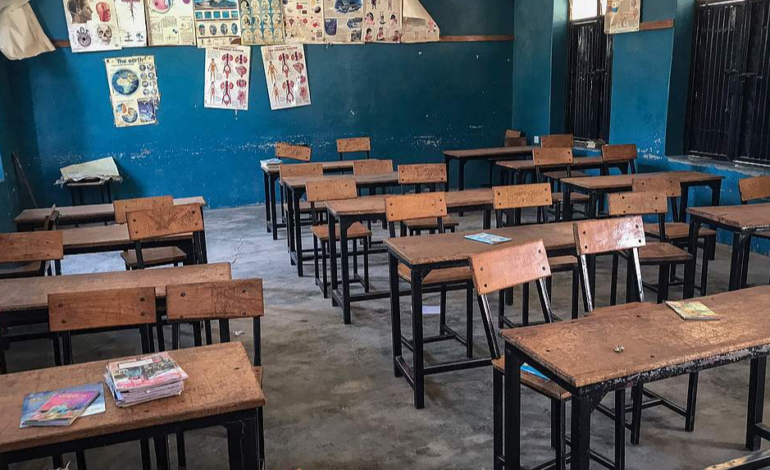
The abduction took place in the early hours of November 21, when armed men stormed St. Mary’s Catholic co educational boarding school in the rural Papiri area of north central Niger State. Witnesses described scenes of panic as gunmen moved through the school, forcing students and teachers out of their dormitories and into the surrounding bush. Initial reports estimated that more than 300 people were taken during the raid, making it one of the largest school related kidnappings Nigeria has seen in years.
In the days following the attack, several students managed to escape on their own, trekking through forested areas until they reached safety. Security forces later rescued another group during targeted operations, and President Bola Tinubu announced on December 8 that more than 150 victims had already regained their freedom. At that time, he pledged that the government would continue efforts until every abducted person was safely returned.
That promise now appears to have been fulfilled. Another presidential spokesman, Bayo Onanuga, said the freed children were expected to arrive in Minna, the Niger State capital, where they would undergo medical checks before reuniting with their families. He described the operation as being driven by coordinated military and intelligence efforts, though no further details were provided.
Authorities have not publicly identified those responsible for the attack, nor have they clarified whether ransom payments played a role in securing the release. While ransom payments are illegal under Nigerian law, security analysts note that negotiations are often involved in similar cases, reflecting the difficult balance authorities face when lives are at stake.
The Catholic Diocese of Kontagora welcomed the news, expressing gratitude to federal and state officials, security agencies, and humanitarian partners who worked behind the scenes. Church representatives said the safe return of the children was a moment of deep relief after weeks of fear and uncertainty.
Kidnappings for ransom have become a grim reality across parts of Nigeria, particularly in the northwest and northeast, where armed criminal gangs and militant groups operate with relative ease. The Niger State abductions underscored the scale of the crisis, reviving painful memories of past mass kidnappings that shocked the nation and the world.
Despite repeated government assurances and military operations, experts warn that Nigeria’s kidnapping economy has grown more organised and profitable. Recent research indicates that the practice has evolved into a structured criminal industry, generating millions of dollars annually and continuing to pose a serious challenge to national security and public safety.